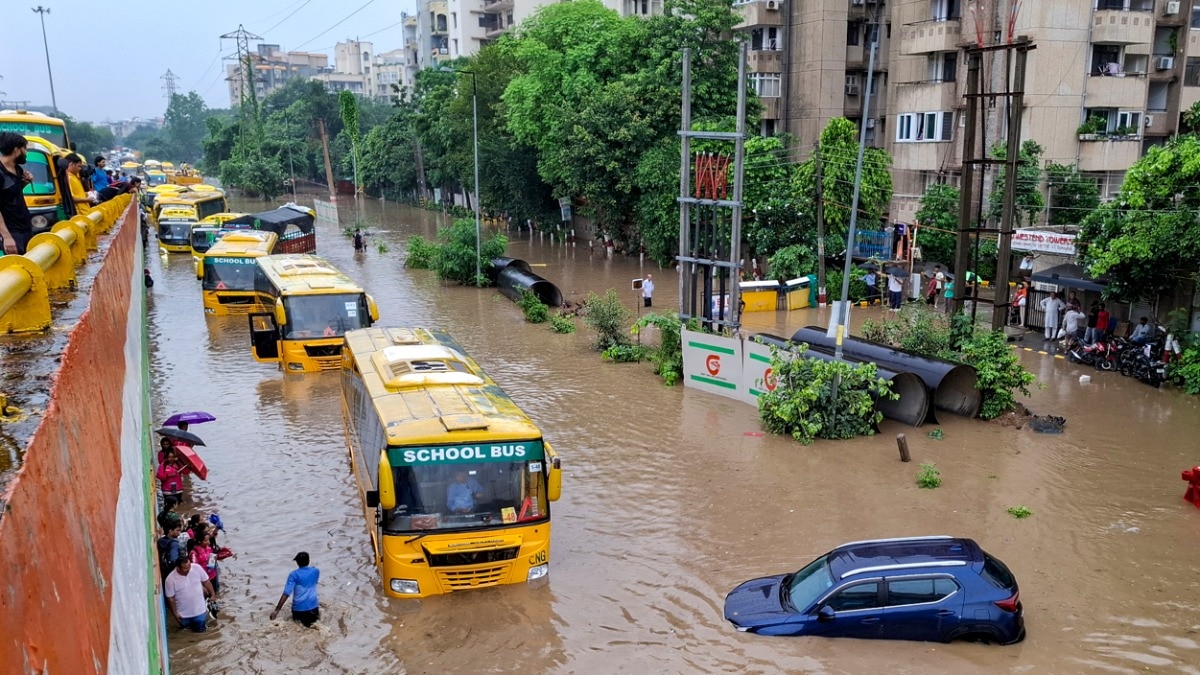
An in-depth analysis of the stark contrast between Gurugram and Noida's drainage capabilities, highlighting the three critical factors behind Gurugram's annual waterlogging crisis.
- Unplanned urbanization and destruction of natural water bodies in Gurugram.
- Noida's superior master plan and structured drainage networks.
- Significant differences in topography and soil absorption capacity.
Every monsoon season, the Millennium City of Gurugram transforms into a series of lakes, paralyzing traffic and disrupting economic activity. Meanwhile, Noida, located in the same climatic zone, manages to keep its streets relatively clear. This disparity is not a matter of luck but a direct consequence of urban engineering and planning.
The first major factor is unplanned urban expansion. Gurugram has witnessed a rapid real estate boom that often bypassed environmental considerations. Natural drains and seasonal lakes, which once acted as natural sponges, have been paved over with concrete, leaving rainwater with nowhere to go but the streets.
Why This Matters
BozokMedia analysis shows that the lack of sustainable urban design in Gurugram poses a long-term threat to its status as a global business hub, as recurring floods lead to massive infrastructure damage and productivity loss.
Ignoring natural hydrology in favor of rapid construction is a recipe for urban catastrophe.
The second factor lies in the drainage infrastructure. Noida was developed under a comprehensive master plan that integrated sewage and stormwater management from the ground up. In contrast, Gurugram's drainage system is largely reactive, struggling to cope with the massive increase in runoff caused by vast impermeable surfaces.
The third factor is topography and soil composition. Noida's terrain allows for more efficient water runoff, whereas Gurugram's geographical layout creates natural depressions where water accumulates, turning neighborhoods into stagnant ponds.
Historical Background
Historically, the Gurugram region was characterized by a network of ponds and agricultural land that managed seasonal monsoon runoff effectively. The shift toward high-rise developments in the late 20th century fundamentally altered the landscape's ability to manage water.
Frequently Asked Questions
Question 1: Can Gurugram fix its flooding issue?
Answer: Yes, but it requires massive investment in restoring natural water bodies and upgrading the entire drainage network.
Question 2: Is Noida's drainage system perfect?
Answer: While much more effective, Noida still faces challenges during extreme rainfall events, though it remains far superior to Gurugram.