Haryana's new electric vehicle tax exemption policy is now active, offering 100% relief on vehicles up to ₹30 lakh. Learn how this move aims to revolutionize green mobility in the state.
- 100% motor vehicle tax exemption for EVs priced up to ₹30 lakh.
- 50% tax exemption for premium EVs priced above ₹30 lakh.
- Exemption is strictly limited to vehicles purchased and registered within Haryana.
- Implementation has officially begun in Gurugram and Badshahpur sub-divisions.
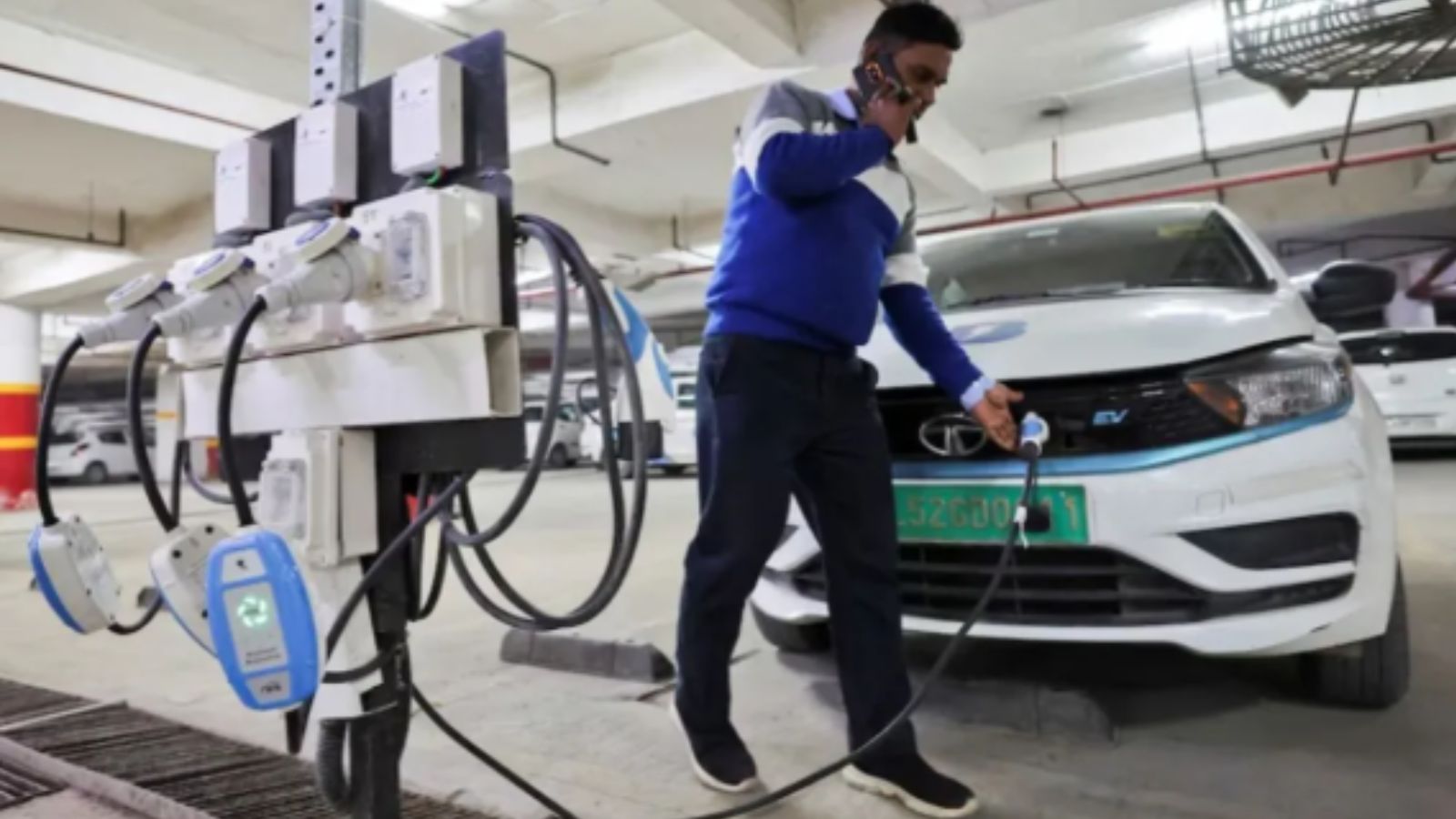
The Haryana government’s ambitious electric vehicle (EV) tax exemption policy has officially hit the ground. On Tuesday, the first batch of electric vehicles under this new regime began getting registered in the Gurugram and Badshahpur sub-divisions. The policy, which came into effect on August 21, marks a significant shift in the state's approach to sustainable transportation.
The Tax Breakdown: Who Gets What?
To ensure wide-scale adoption, the state government has structured the tax benefits based on the vehicle's ex-showroom price. New battery-operated electric vehicles with a price tag of up to ₹30 lakh are eligible for a 100% exemption from motor vehicle tax. For the luxury segment, electric vehicles priced above ₹30 lakh will receive a 50% exemption.
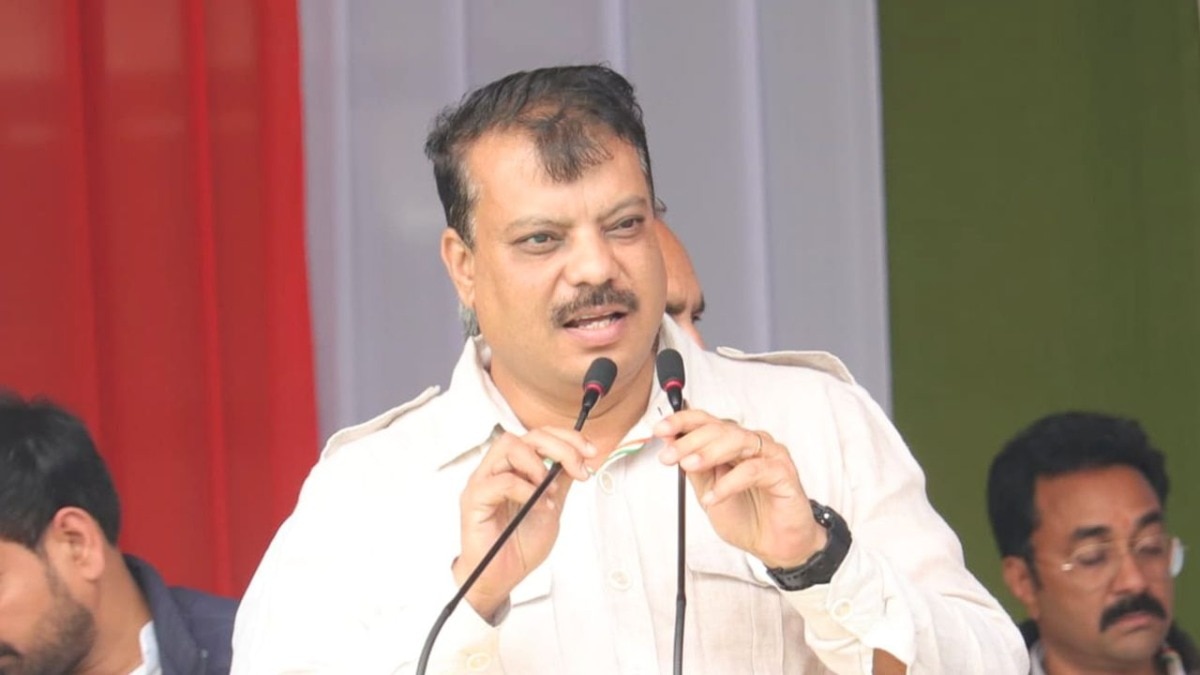
Gurugram Deputy Commissioner Uttam Singh stated that the policy is designed to provide direct financial relief to citizens while simultaneously promoting eco-friendly mobility. He emphasized that higher adoption of EVs is crucial for reducing pollution levels and building a robust green transportation ecosystem in rapidly developing hubs like Gurugram.
Why This Matters: BozokMedia Analysis
BozokMedia analysis shows that Haryana is already a frontrunner in the Indian EV landscape. According to data from the Council on Energy, Environment and Water (CEEW), approximately 1.69 lakh electric vehicles—ranging from e-rickshaws and scooters to cars—were registered in Haryana during the 2025-26 financial year. Notably, e-rickshaws accounted for 48.4% of these registrations, highlighting a strong foundation in micro-mobility.
Financial incentives are the primary catalyst required to transition a mass population from internal combustion engines to electric mobility.
Strict Eligibility Criteria for Buyers
Prospective buyers must take note of a critical clause regarding the source of purchase. Badshahpur SDM Sanjeev Singla clarified that the tax sops are exclusively reserved for those whose electric vehicles are purchased and registered within the state of Haryana. Vehicles bought from other states will not qualify for these motor vehicle tax exemptions.
The administration has urged consumers to thoroughly vet all eligibility conditions and rules before finalizing their purchase to ensure they can seamlessly avail of the government's financial benefits.
Historical Background
Following the central government's push through various FAME schemes, individual states are now crafting localized incentives to suit their unique economic and urban landscapes. Haryana's tiered tax structure is a strategic move to balance mass-market adoption with the growth of the premium EV sector.
Frequently Asked Questions
1. Can I claim this tax waiver if I buy an EV in Delhi and register it in Haryana?
No. The policy specifically mandates that the vehicle must be purchased and registered within Haryana to be eligible.
2. Is there a limit on the number of EVs that can benefit from this?
The policy applies to all eligible new battery-operated electric vehicles meeting the specified price criteria.