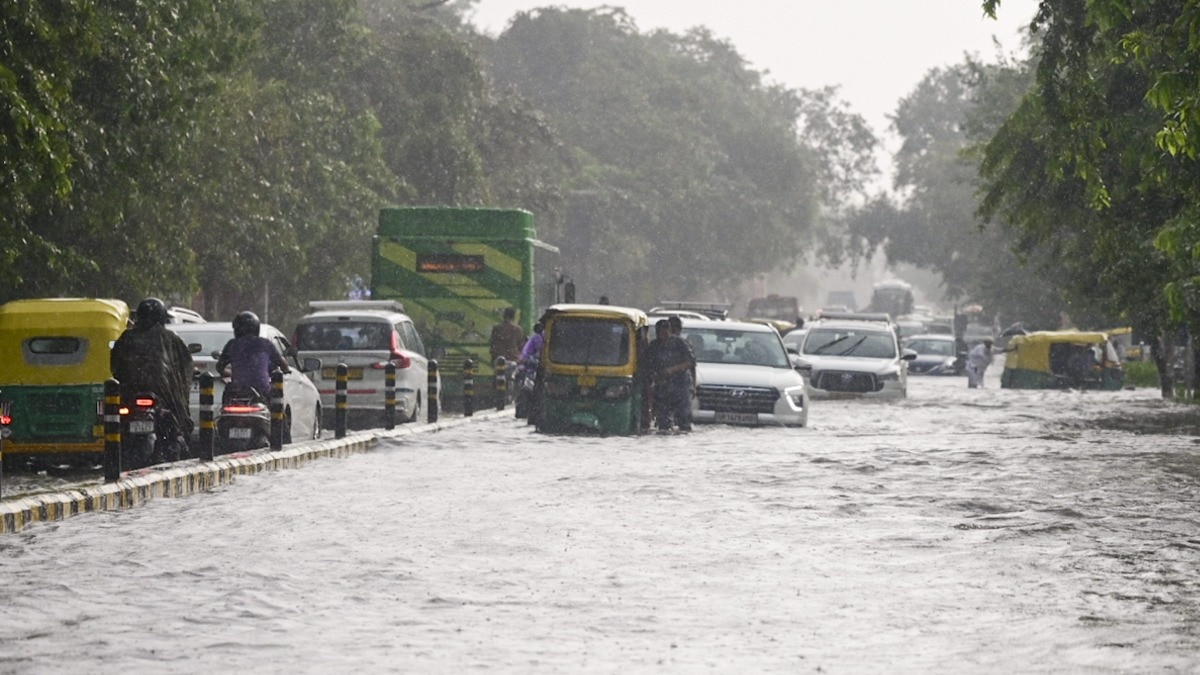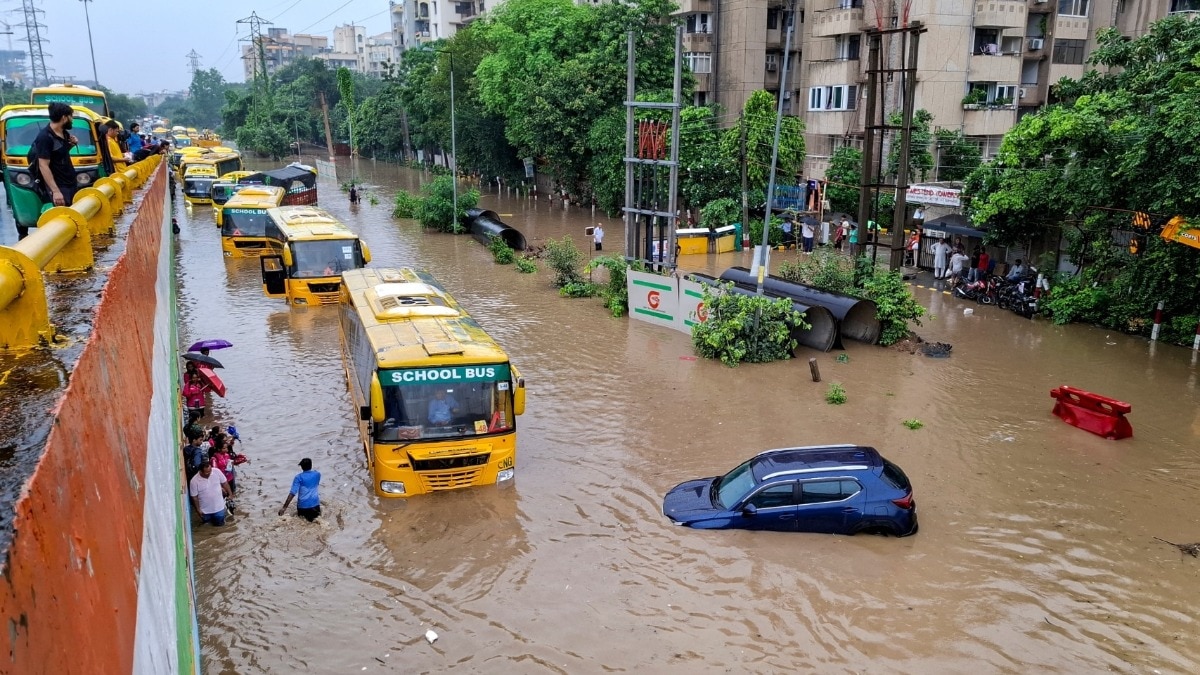
IIT Gandhinagar professors have joined MCG and GMDA officials to inspect Gurugram's flood-prone areas, proposing a high-tech solution involving underground storage and smart drainage.
- IIT Gandhinagar professors conducted field inspections at Subhash and Rajiv Chowk.
- Proposed solutions include high-capacity underground storage tanks and injection wells.
- Integration of SCADA-based smart water management systems.
Gurugram, often referred to as India's Millennium City, has long struggled with severe waterlogging during the monsoon season. In a significant move to address this recurring crisis, professors from IIT Gandhinagar, Vivek Kapadia and Udit Bhatia, teamed up with officials from the Municipal Corporation of Gurugram (MCG) and the Gurugram Metropolitan Development Authority (GMDA) to conduct a technical inspection of the city's worst-hit areas.
During the inspection on Wednesday, the expert team visited critical junctions including Subhash Chowk and Rajiv Chowk. The mission was to identify catchment zones and explore scientific interventions that can capture rainwater at its source, thereby preventing the accumulation of water on urban streets.
Technical Framework: Storage and Recharge
The proposed engineering strategy is multi-layered. Instead of relying solely on surface drainage, which often fails during heavy downpours, the MCG plans to install high-capacity underground storage tanks. A senior MCG official noted that the plan involves using injection wells with capacities ranging from 48 to 80 litres per second. These wells are designed to channel massive volumes of rainwater underground in the shortest possible time.
This system is not just about moving water; it is about smart management. The plan includes a SCADA-based (Supervisory Control and Data Acquisition) smart water management system to monitor flow and levels in real-time. Furthermore, a linkage with the Central Ground Water Board (CGWB) is being proposed to ensure that this captured rainwater effectively recharges the depleting groundwater levels of the region.
Why This Matters
BozokMedia analysis shows that traditional drainage systems in rapidly urbanizing cities like Gurugram are increasingly inadequate due to increased concrete cover and blocked natural channels. By transitioning from a 'drainage-only' model to a 'storage-and-recharge' model, Gurugram can mitigate urban flooding while simultaneously tackling its groundwater crisis.
The shift toward source-based rainwater harvesting is the only sustainable way to future-proof Gurugram against extreme weather events.
MCG Commissioner Pradeep Dahiya emphasized that the initiative aims to create a more water-resilient city. By capturing water at the source, the administration hopes to reduce resident inconvenience and build a permanent, sustainable infrastructure for the future.
Frequently Asked Questions
1. What are the key components of the new water management plan?
The plan consists of underground storage tanks, high-capacity injection wells, and a SCADA-based smart monitoring system.
2. How will this help Gurugram residents?
It will reduce water accumulation on roads, prevent traffic chaos during rains, and help stabilize the local groundwater table.