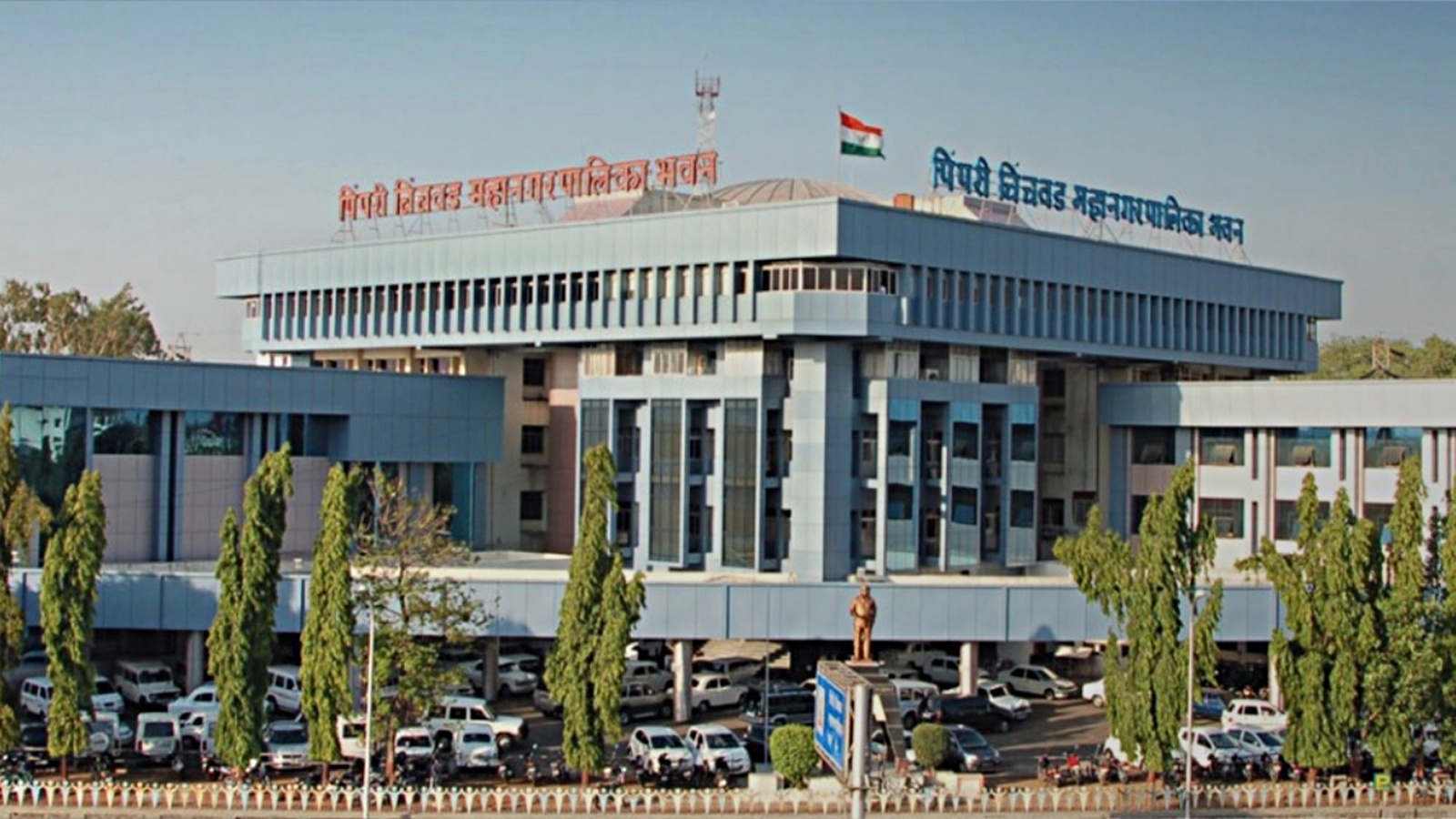
The Pimpri-Chinchwad Municipal Corporation (PCMC) has announced a stringent crackdown on illegal commercial structures and unauthorized stalls. Residential demolition drives are set to follow after the monsoon period ends on September 30.
With the monsoon season receding, the Pimpri-Chinchwad Municipal Corporation (PCMC) administration is gearing up for a massive enforcement drive. The industrial hub is set to witness a stringent crackdown on illegal commercial structures and unauthorized stalls, commonly known as 'tapris,' which have been occupying footpaths and vital public spaces across the city.
Additional Municipal Commissioner Trupti Sandbhor confirmed that while commercial encroachments will face immediate consequences, residential illegal structures will be addressed after September 30. This timing adheres to government mandates that restrict demolition activities during the monsoon to ensure safety and operational efficiency.
Why This Matters
BozokMedia analysis shows that uncontrolled urban encroachment significantly hampers city infrastructure and pedestrian mobility. By targeting both commercial stalls and residential violations, PCMC aims to reclaim public land and restore order to the city's rapidly expanding urban landscape, ensuring that industrial growth does not come at the cost of public space.
The success of this crackdown hinges on the ability of beat inspectors to prevent new illegal structures from emerging during the enforcement gaps.
Following the directives of Municipal Commissioner Vijay Suryavanshi, a high-level review meeting was held at the Madhukar Pawle Auditorium. The meeting, attended by Joint City Engineer Sunil Bagwani and various zonal officers, focused on streamlining the identification and removal of unauthorized constructions through systematic area-wise surveys.
The administration has emphasized that this is not a one-time event but a continuous activity. Officials have been instructed to conduct regular inspections, and the corporation is preparing to fix accountability on any staff found negligent or complicit in allowing unauthorized developments to proceed.
Historical Background
In major Indian industrial corridors like Pimpri-Chinchwad, the pressure of migration and economic activity often leads to spontaneous and unauthorized settlements. Municipal corporations across India frequently struggle with the balance between providing urban services and enforcing zoning laws, leading to periodic large-scale demolition drives to maintain urban planning standards.
Frequently Asked Questions
1. Why is the action against residential structures delayed until after September 30?
Government orders prohibit demolition activities during the monsoon season for safety and logistical reasons.
2. How is PCMC identifying the illegal structures?
The administration is conducting continuous, area-wise surveys through beat inspectors to identify both existing and newly initiated unauthorized constructions.