A deep dive into the decades-long history of Whitefish, Montana, revisiting pivotal moments including the devastating floods of 1976 and the high-profile visit of Vice President Dick Cheney.
- The 1976 deluge transformed downtown Whitefish into temporary lakes.
- Vice President Dick Cheney’s 2006 visit was a major political event for the region.
- The community has seen significant shifts in education, sports, and technology over 50 years.
Looking back through the archives of the Whitefish Pilot, we uncover a rich tapestry of events that have shaped the Flathead Valley. From the chaos of extreme weather to the high-stakes world of national politics, Whitefish has consistently been a place where history happens.
The Great Deluge of 1976
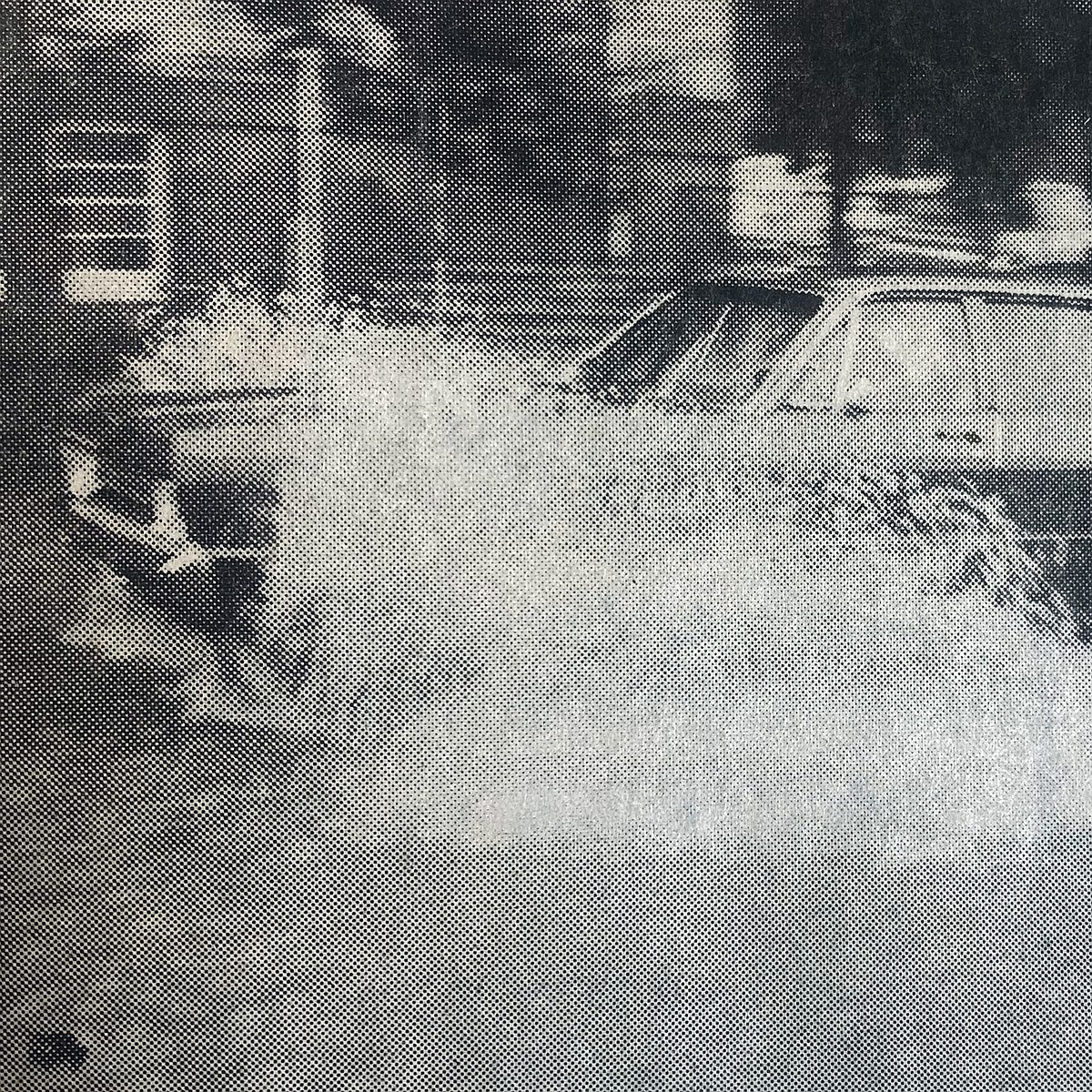
On August 26, 1976, Whitefish faced a meteorological crisis. In a mere hour, nearly 1.72 inches of rain fell on the community, overwhelming even the modern storm drain systems of that era. The intersection of Spokane Avenue and Second Street became a makeshift reservoir, with water reaching door-deep levels on vehicles. The sheer force of the water created wakes that crashed against local landmarks like the Pancake House, leaving a lasting impact on the town's infrastructure planning.
Political Spotlight: The Dick Cheney Era
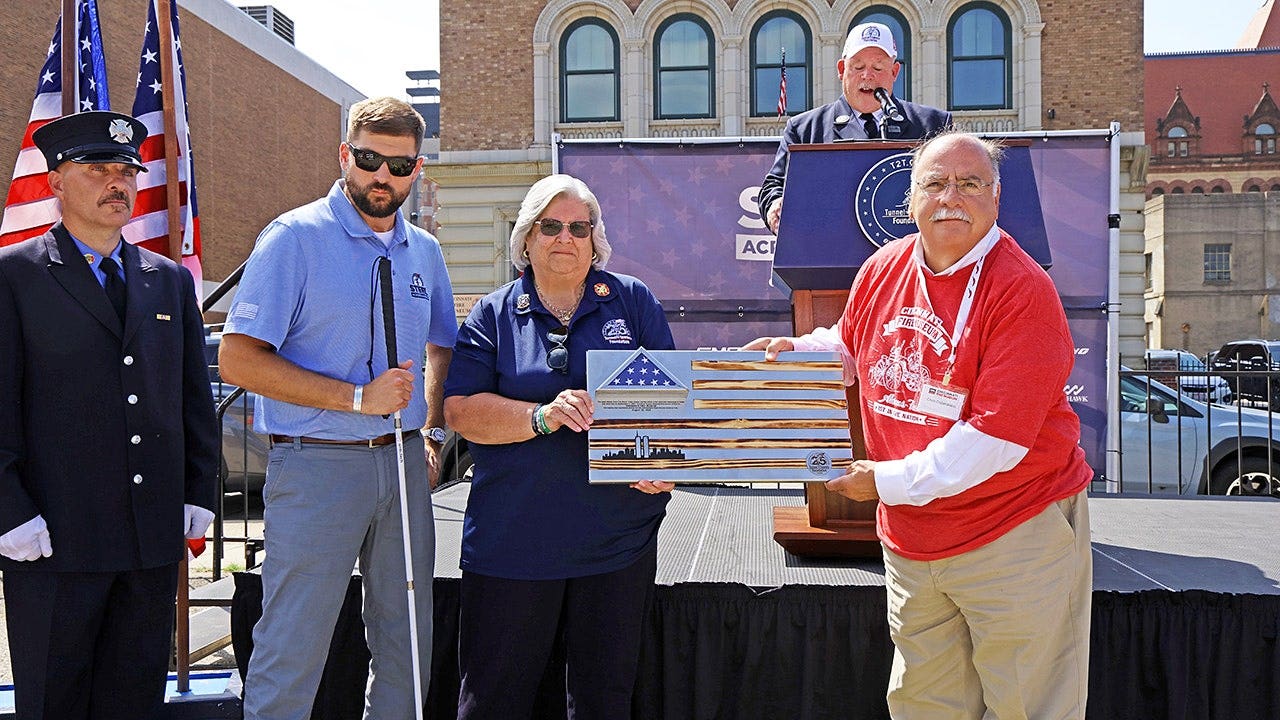
Fast forward to August 24, 2006, and the town's quiet charm was briefly interrupted by heavy security. Then-Vice President Dick Cheney made a swift but high-impact visit to Whitefish. The local police had to secure intersections to allow the official motorcade passage to the Lodge at Whitefish Lake. This visit was not just ceremonial; it served as a significant fundraising event for political campaigns, highlighting the intersection of local community and national political interests.
Societal Evolution: Sports, Schools, and Tech
The history of Whitefish is also one of human achievement and adaptation. In 1986, the Flathead Valley women's soccer team demonstrated athletic excellence on the state stage. By 1996, the local school system was grappling with rapid enrollment growth, signaling a changing demographic. More recently, in 2016, the arrival of Uber marked the digital transformation of local transportation, bringing Silicon Valley technology to the heart of Montana.
Why This Matters
BozokMedia analysis shows that these historical snapshots are crucial for understanding the socio-economic evolution of mountain towns. The transition from managing physical floods to managing digital service economies illustrates the broader trajectory of rural American development.
Historical archives serve as the compass for a community's future growth and resilience.
Frequently Asked Questions
1. What was the significance of Dick Cheney's visit?
His visit was a major political event that included fundraising efforts for Senator Conrad Burns' re-election campaign.
2. How much rain fell during the 1976 Whitefish flood?
Approximately 1.72 inches of rain fell in just one hour between 2:30 and 3:30 p.m.