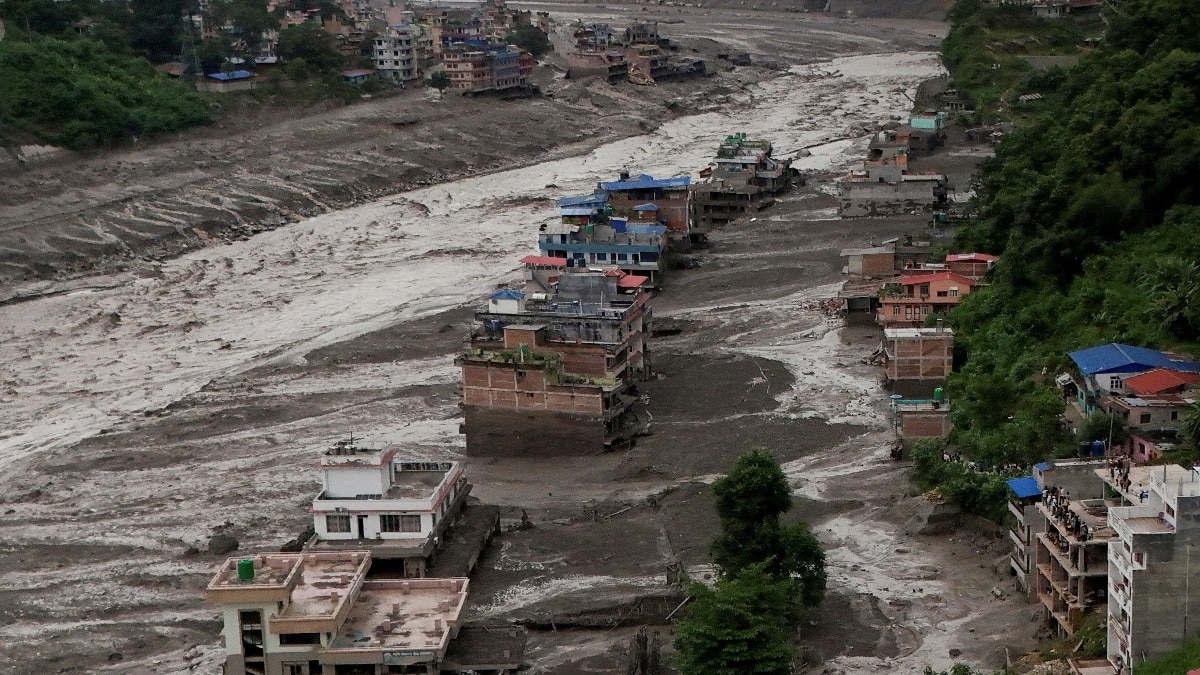
A dangerous surge in E. coli bacteria levels has been detected in the river, prompting health officials to declare a 'serious situation' and warn the public against water contact.
- E. coli bacteria levels in the river have reached critical thresholds.
- High risk of gastrointestinal illnesses and widespread infection.
- Authorities advise avoiding all contact with river water until further notice.
In a developing health crisis, recent testing has revealed a massive spike in E. coli bacteria within the river, leading experts to describe the current state as a 'serious situation.' The presence of this bacteria is a primary indicator of fecal contamination, posing immediate risks to public health.
According to reports highlighted by BBC, the contamination levels have escalated rapidly, raising concerns about the safety of local water supplies and recreational activities. The bacteria can cause severe symptoms, including abdominal cramps, diarrhea, and in extreme cases, kidney failure.
Why This Matters
BozokMedia analysis shows that such biological spikes are often linked to aging sewage infrastructure or heavy rainfall causing runoff from agricultural and urban areas. This incident underscores the vulnerability of local ecosystems to human-induced pollution.
The sudden surge in bacterial counts suggests a significant breach in local sanitation protocols that requires immediate intervention.
Historically, waterborne pathogens have been responsible for significant public health outbreaks. The management of such crises depends heavily on the speed of identification and the effectiveness of containment strategies to prevent the spread to drinking water systems.
Frequently Asked Questions
1. What are the primary symptoms of E. coli infection?
Common symptoms include severe stomach cramps, diarrhea (often bloody), vomiting, and low-grade fever.
2. Is it safe to use river water for washing?
No, it is strongly advised to avoid any contact with the water, including washing, until health authorities confirm it is safe.