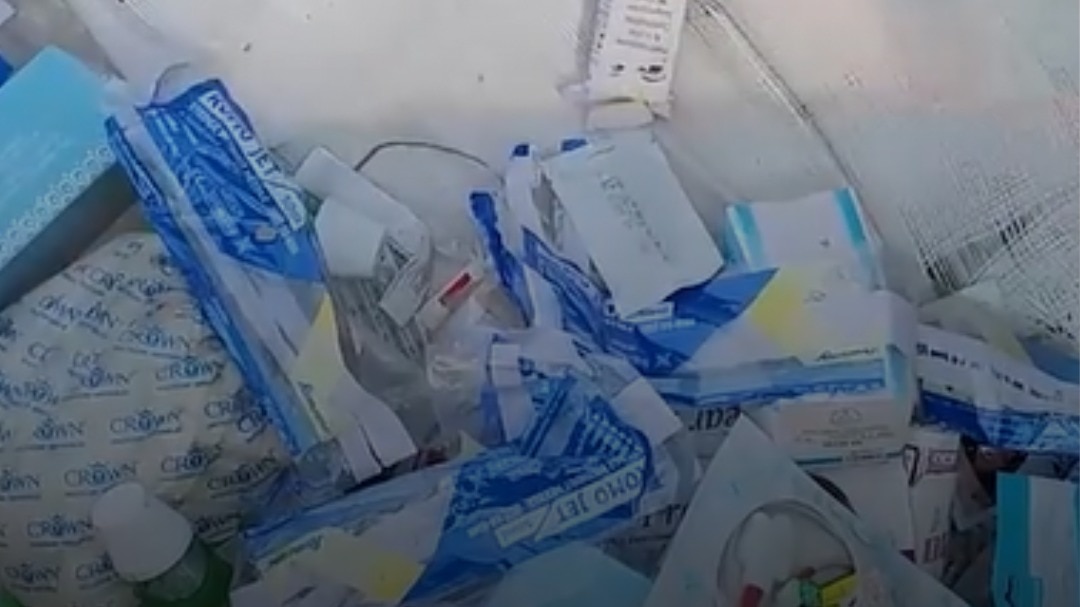
A massive environmental scandal has emerged in Odisha, where expired medicines worth crores were illegally dumped into a river near a hospital, threatening local ecosystems.
- Expired medicines valued at crores were found dumped in a river near an Odisha hospital.
- The incident poses a severe threat to water safety and aquatic life.
- Investigation is underway to identify the culprits behind this illegal disposal.
In a shocking breach of medical waste protocols, expired medicines worth crores of rupees have been dumped into a river near a hospital in Odisha. This massive illegal disposal has ignited fears of a major environmental catastrophe and a public health crisis in the surrounding region.
The dumping of pharmaceutical waste into open water bodies is a direct violation of the Bio-Medical Waste Management Rules. These expired drugs contain potent chemical compounds that, when released into the river, can contaminate the entire water chain, affecting both drinking water supplies and local agriculture.
Why This Matters
BozokMedia analysis shows that such incidents are not just local failures but systemic issues in medical supply chain management. The infiltration of pharmaceutical residues into water bodies is a leading driver of Antimicrobial Resistance (AMR), a global health threat that makes common infections harder to treat.
The discharge of pharmaceutical waste into natural water bodies is an ecological crime that directly poisons the human food chain.
Historically, the management of hazardous medical waste in developing regions has struggled with oversight. While regulations exist to mandate high-temperature incineration for such waste, the cost-cutting measures by some institutions often lead to illegal dumping in landfills or water bodies.
Local authorities and environmental activists are demanding immediate accountability. The focus is now on whether the hospital administration or a third-party waste disposal contractor will be held criminally liable for this environmental negligence.
Frequently Asked Questions
1. How does medicine dumping affect humans?
It can contaminate drinking water, leading to long-term exposure to toxic chemicals and increased antibiotic resistance.
2. What are the legal consequences for this?
Under Indian environmental laws, hospitals can face heavy fines, cancellation of licenses, and criminal prosecution.
