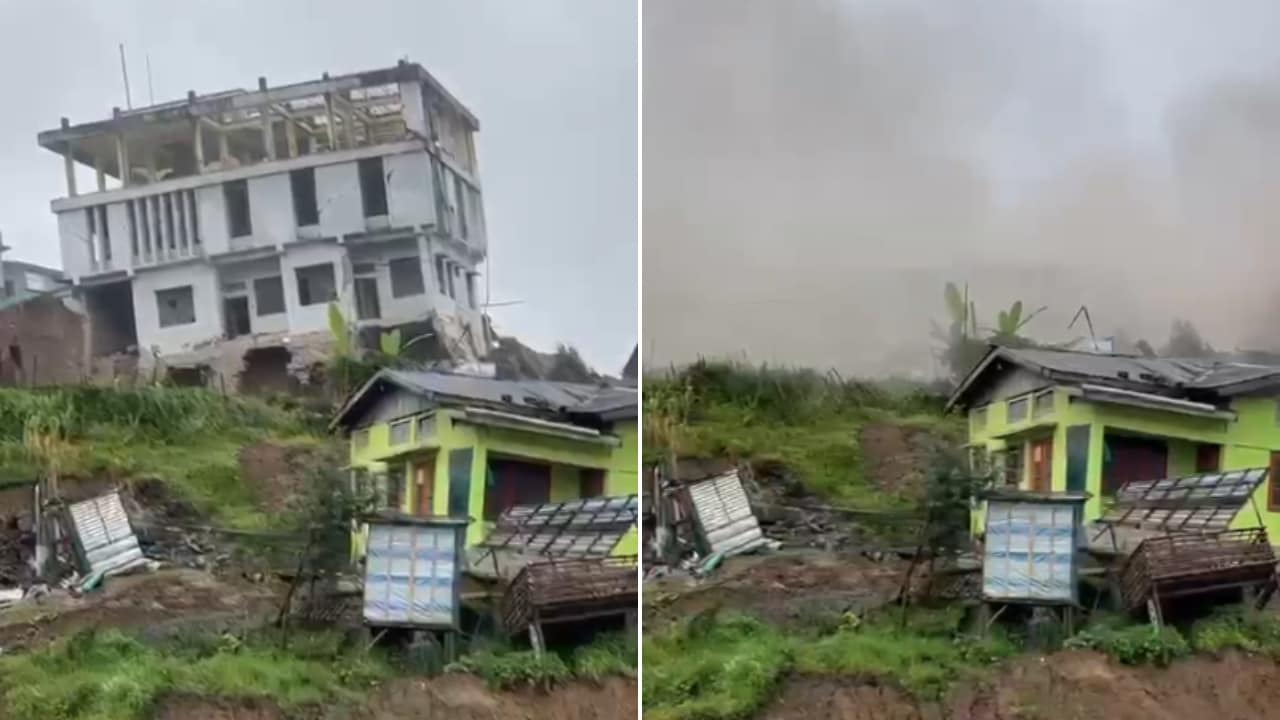
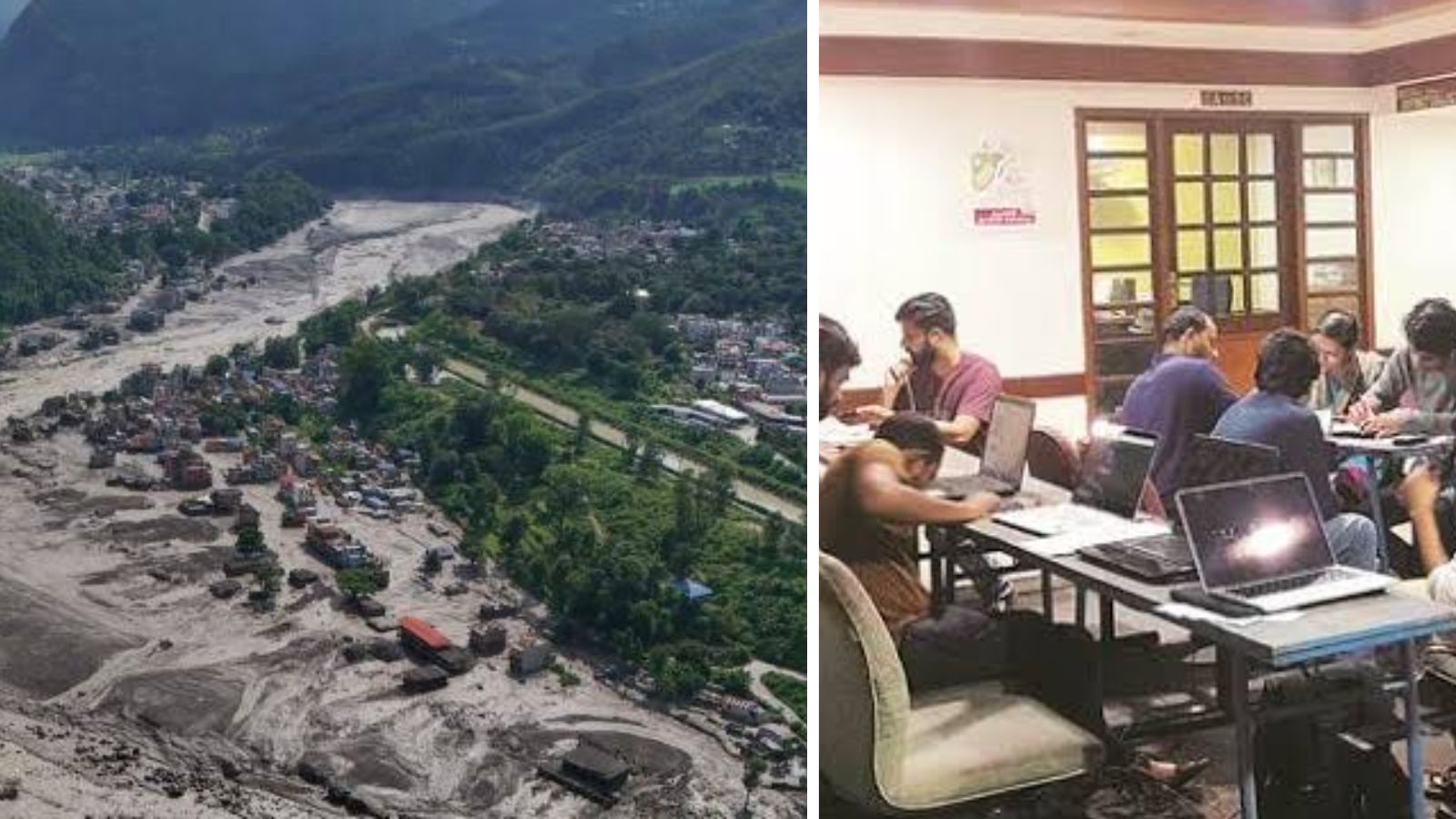
Torrential rains and catastrophic flooding in the Himalayan region bordering Tibet have claimed at least 270 lives, with nearly 1,400 people feared missing.
- 270 bodies recovered following devastating floods in Nepal.
- Approximately 1,400 individuals remain missing in the Himalayan region.
- Extreme weather and landslides have paralyzed border areas near Tibet.
A catastrophic flooding event has struck the Himalayan region bordering Nepal and Tibet, leaving a trail of destruction in its wake. Local police authorities have confirmed the recovery of 270 bodies so far, while the scale of the tragedy continues to grow as nearly 1,400 people are reported missing.
The disaster was triggered by torrential rainfall that led to massive flash floods and widespread landslides across the mountainous terrain. Entire villages have been swept away, and critical infrastructure, including roads and bridges, has been obliterated, making rescue efforts incredibly difficult in the high-altitude regions.
Why This Matters
BozokMedia analysis shows that the increasing frequency of extreme weather events in the Himalayan belt is a direct consequence of shifting global climate patterns. The disruption in this sensitive border region not only poses an immediate humanitarian crisis but also threatens regional connectivity and water security for millions downstream.
The scale of this disaster underscores the urgent need for enhanced early warning systems in the fragile Himalayan ecosystem.
Rescue teams are working tirelessly under extreme conditions to locate survivors and recover victims. However, the rugged terrain and continuous rainfall are significantly hampering the deployment of heavy machinery and aerial support in the most affected zones.
Historically, the Nepal-Tibet border region has faced seasonal monsoon challenges, but the intensity of the current flooding has surpassed recent historical benchmarks. Experts warn that the massive displacement of soil and debris could lead to secondary disasters, such as dam-burst floods if mountain rivers remain blocked by landslide material.
Frequently Asked Questions
Question 1: How many people are currently missing?
Answer: Official reports state that nearly 1,400 people are still unaccounted for.
Question 2: What is causing the ongoing difficulty in rescue operations?
Answer: The combination of rugged mountainous terrain, broken infrastructure, and ongoing heavy rainfall is hindering rescue efforts.