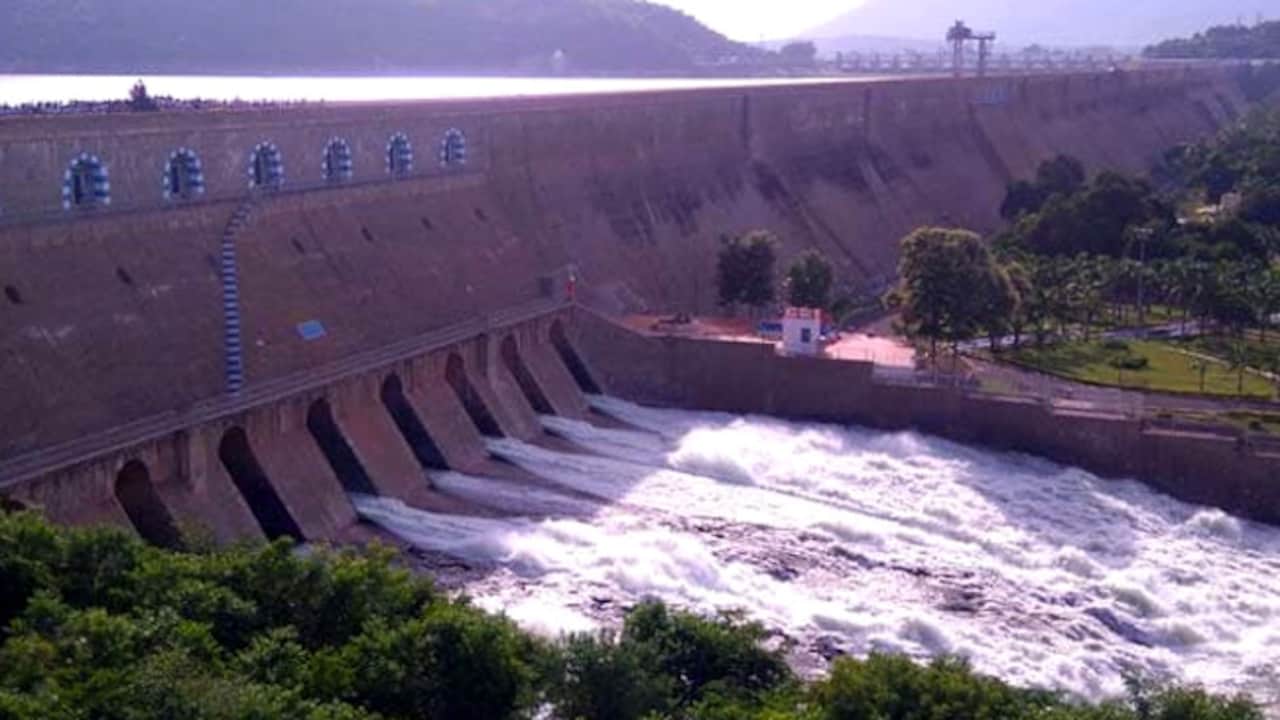
Heavy rainfall in Nepal has caused a massive surge in the Gandak River, forcing authorities to open the Gandak Barrage multiple times. Bihar's East Champaran and Siwan districts are on high alert as flood threats intensify.
- Massive rainfall in Nepal has led to a surge in the Gandak River levels.
- The Valmikinagar Gandak Barrage is discharging 79.3 lakh liters of water per second.
- Flood threats reported in 5 blocks of Siwan and East Champaran, Bihar.
- District administration has canceled all official leaves and remains on 24/7 alert.
The torrential rains in Nepal have triggered a severe flood threat across the border regions of Bihar. Due to the overwhelming volume of water flowing from the Himalayan foothills, the Valmikinagar Gandak Barrage has been opened three times in quick succession. Current reports indicate a staggering discharge rate of approximately 79.3 lakh liters of water every single second.
The impact of this sudden surge is being felt most acutely in the East Champaran and Siwan districts. In Siwan, five blocks are facing an imminent threat of inundation, prompting local authorities to initiate 24-hour surveillance. Block Development Officers (BDOs) and Circle Officers (COs) have been placed on high alert to manage potential evacuations and emergency responses.
Why This Matters
BozokMedia analysis shows that the seasonal flooding of the Gandak River remains one of the most significant hydrological challenges for the Indo-Nepal border regions. The rapid increase in water levels necessitates precise management of the Gandak Barrage to prevent catastrophic breaches in embankments and protect millions of livelihoods in the plains.
The synchronization between Nepal's rainfall patterns and the discharge management at the Gandak Barrage is critical for the safety of Bihar's riparian communities.
In response to the escalating crisis, the District Magistrate (DM) of East Champaran has personally visited the banks of the Gandak River to monitor the situation. All administrative officials have had their leaves canceled to ensure a full-scale response. Data shows that the discharge reached its peak between 11:00 PM and 12:00 AM, causing significant concern among residents in low-lying areas.
Historical Background
The Gandak River, originating in the Nepal Himalayas, is a major tributary of the Ganges. Historically, the monsoon season brings heavy precipitation to the upper reaches in Nepal, which inevitably leads to high-velocity water flow through the Valmikinagar Barrage, affecting the floodplains of North Bihar annually.
Frequently Asked Questions
Question 1: How much water is being released from the Gandak Barrage?
Answer: Approximately 79.3 lakh liters of water are being released per second.
Question 2: Which areas in Bihar are most at risk?
Answer: The districts of East Champaran and Siwan are currently under the highest flood threat.