Following the devastating flash floods in Nepal, the Sikkim Bhutia Lepcha Apex Committee (SIBLAC) has called on PM Modi to scrap new hydroelectric projects in the Himalayan state.
- At least 13 hydropower projects in Nepal, including Rasuwagadhi, were damaged by Tibet-induced avalanches.
- SIBLAC has urged the Indian government to halt all new hydroelectric projects in Sikkim.
- The group demands an independent probe into the ecological and security implications of existing projects.
The catastrophic flash floods in Nepal have sent shockwaves through the Himalayan region, prompting ethnic communities in Sikkim to demand immediate intervention from the Indian government. A prominent body representing two ethnic communities in Sikkim has advised the Centre to learn from the Nepal disaster and scrap all proposed hydroelectric projects in the Himalayan state.
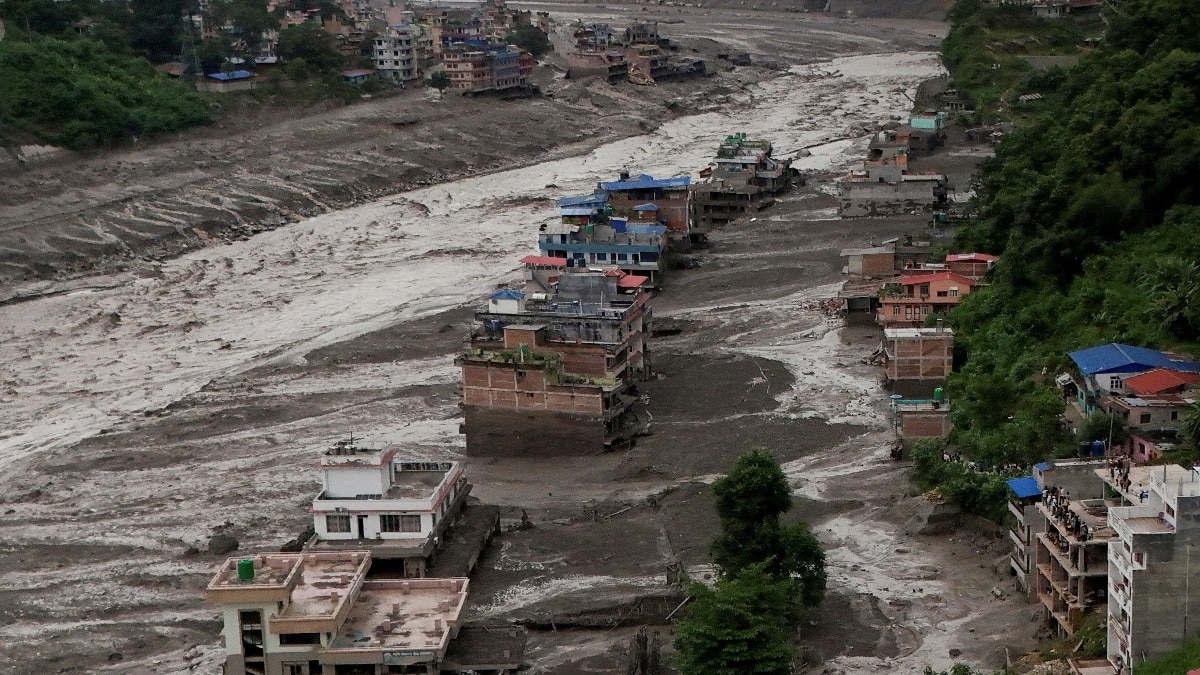
According to the Nepal Electricity Authority, at least 13 hydropower projects along the Bhotekoshi and Trishuli River corridors suffered extensive damage. The destruction was triggered by an earthquake-induced avalanche of ice and rock in Tibet, which hit Gyirong port and slammed into Nepal, creating high-speed flash floods that washed away roads, power infrastructure, and entire villages. The 111-megawatt Rasuwagadhi Hydropower Plant was among the most significantly affected projects.
Why This Matters
BozokMedia analysis shows that the increasing frequency of Glacial Lake Outburst Floods (GLOF) and landslide-induced floods poses a systemic risk to both regional economies and national security. The nexus between large-scale infrastructure and geological instability in the Himalayas is becoming impossible to ignore.
The disaster in Nepal highlights the vulnerability of the Himalayan region, requiring a fresh assessment of development activities.
The Sikkim Bhutia Lepcha Apex Committee (SIBLAC), led by convenor Tseten Taski Bhutia, has formally urged Prime Minister Narendra Modi to halt new hydropower developments in Sikkim. Bhutia, who also serves as a chief advisor to the BJP's Sikkim unit, called for an independent, time-bound probe into existing projects to assess their environmental, geological, seismic, and social implications.
Bhutia emphasized that while SIBLAC is not inherently against development, such progress must not come at the expense of the ecological and social security of India’s Himalayan frontier. He further requested the Centre to publish a white paper detailing the findings of a comprehensive assessment of all current and proposed projects.
This demand comes on the heels of Sikkim's own history with natural disasters. In October 2023, a massive glacial lake outburst flood destroyed the 1,200MW Teesta-III hydropower project in Chungthang, causing widespread devastation downstream along the Teesta River.
Historical Background
The Himalayan range is one of the most seismically active zones in the world. Over the last decade, the intersection of climate change-induced glacial melting and intensive hydroelectric construction has led to a rise in catastrophic events like GLOFs, which threaten the stability of mountain communities and infrastructure.
Frequently Asked Questions
1. What caused the floods in Nepal?
The floods were triggered by an earthquake-induced avalanche of ice and rock from Tibet, which caused sudden, high-speed flooding in the Bhotekoshi and Trishuli corridors.
2. What is SIBLAC asking for?
SIBLAC is requesting a halt to new hydropower projects in Sikkim and a thorough, independent investigation into the safety and impact of existing ones.