As the PM Jan Dhan Yojana completes 12 years, we analyze its massive impact on rural India, women's empowerment, and the lingering challenges of inactive accounts.
- Over 59 crore Jan Dhan accounts have been opened to date.
- Women constitute 55.7% of the total account holders.
- 77.8% of accounts are located in rural and semi-urban areas.
- Approximately 15% to 20% of accounts remain inactive.
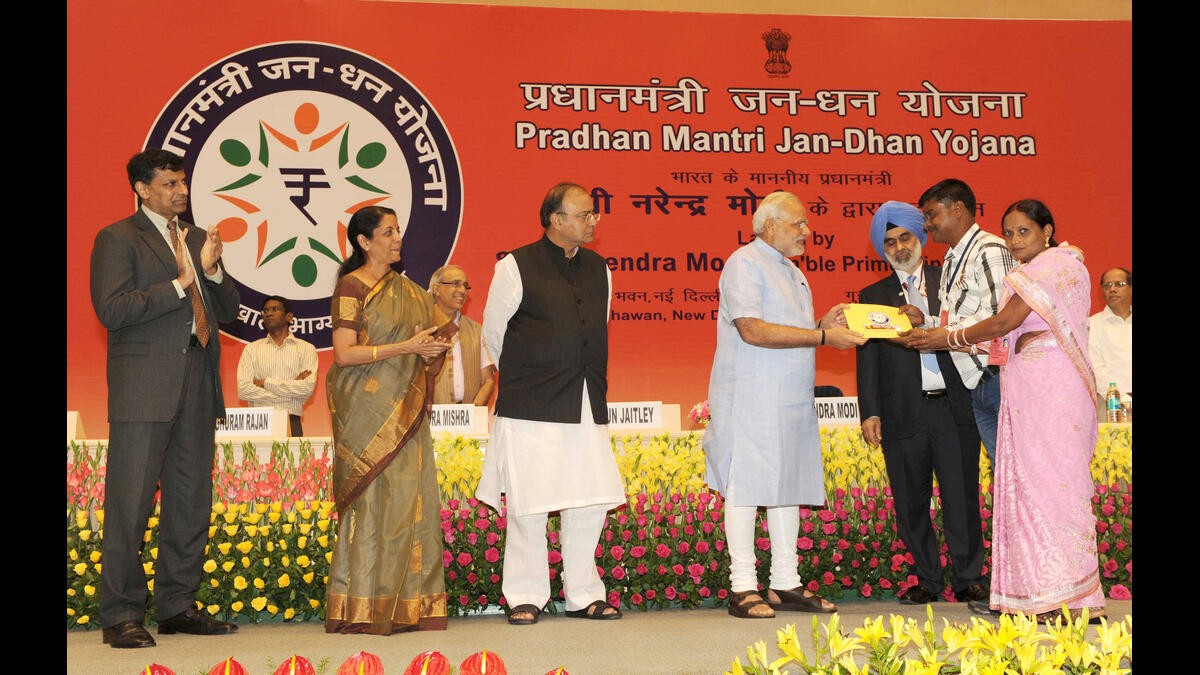
Launched just three months after Narendra Modi first took office, the Pradhan Mantri Jan Dhan Yojana (PMJDY) has completed 12 remarkable years. Once dismissed by critics as a mere 'paper-based numbers game,' it has evolved into what is claimed to be the world's largest financial inclusion initiative.
The scheme was designed to bring the unbanked population, especially the underprivileged, into the formal banking fold through zero-balance accounts, free RuPay cards, and accident insurance coverage.
Key Achievements and Milestones
According to data released by the Press Information Bureau, more than 59 crore accounts have been opened as of August 19. A significant highlight is the massive participation of women, who make up 55.7% (32.92 crore) of the total account holders. Furthermore, the scheme has successfully penetrated the heart of India, with 77.8% of accounts situated in rural and semi-urban regions.
Financially, these accounts hold a total deposit of ₹3.17 lakh crore. Notably, the average deposit per account has seen a 3.4-fold increase since August 2015, indicating a gradual shift toward a savings culture among the poor.
The Jan Dhan Yojana has not only expanded banking access but has also effectively plugged leakages through the Direct Benefit Transfer (DBT) mechanism.
Why This Matters
BozokMedia analysis shows that PMJDY is the backbone of India's digital revolution. Without this massive network of bank accounts, the widespread adoption of UPI and the seamless delivery of government subsidies through DBT would have been impossible.
Critical Challenges and the Road Ahead
Despite the impressive scale, significant hurdles remain. An estimated 15% to 20% of these accounts are considered 'inactive,' used primarily for receiving government subsidies rather than regular banking activities. Additionally, features like overdraft facilities and accident insurance remain underutilized due to complex conditions, such as the requirement to use the RuPay card for 90 days prior to a claim.
| Feature | Details |
|---|---|
| Total Accounts | 59 Crore+ |
| Women Participation | 55.7% |
| Rural Reach | 77.8% |
| Avg Deposit Growth | 3.4x |
To maximize impact, the focus must shift from 'account opening' to 'account usage.' Providing easy micro-credit to women entrepreneurs and improving digital infrastructure in remote tribal and hilly areas are essential steps for the next decade of financial empowerment.
Frequently Asked Questions
1. Is there a minimum balance requirement for Jan Dhan accounts?
No, these are zero-balance accounts with no maintenance fees.
2. Do Jan Dhan account holders get insurance?
Yes, they are eligible for accident insurance cover up to ₹2 lakh, subject to specific usage conditions.