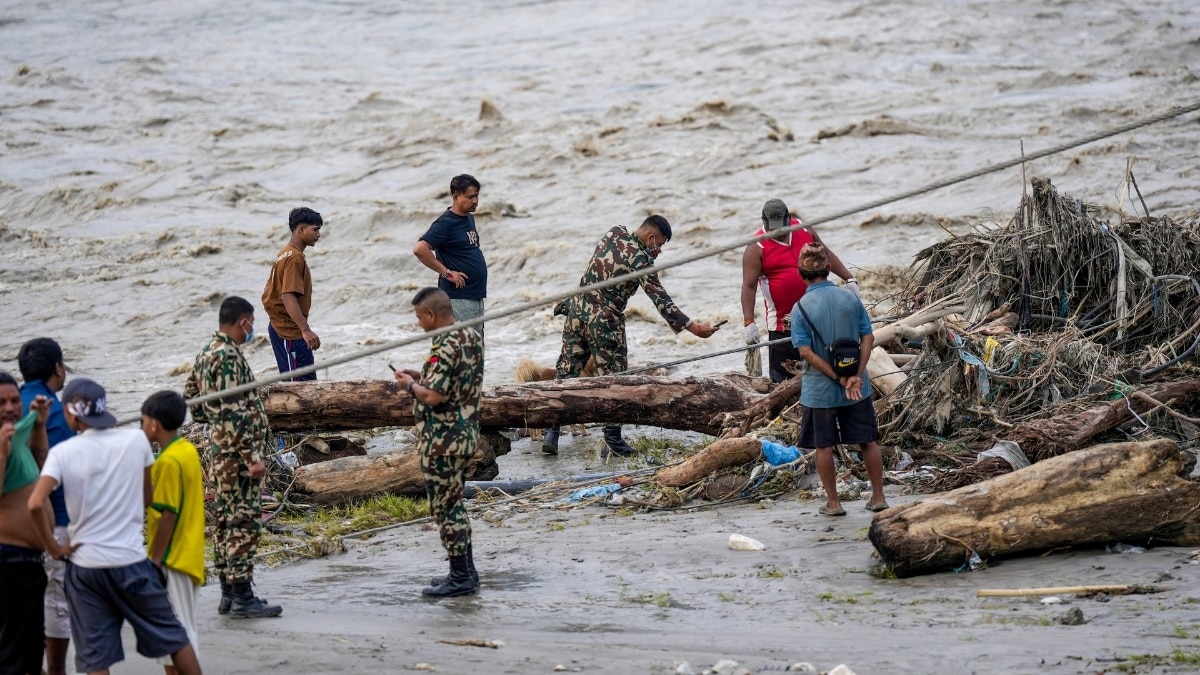
The Karnataka government is coordinating with central agencies to track 28 citizens stranded or missing in the aftermath of devastating flash floods in Nepal and Tibet.
- 28 people from Karnataka are reported stranded or untraced following flash floods in Nepal and Tibet.
- Four individuals have been confirmed safe so far.
- The majority of the affected (23) belong to the Bengaluru Urban district.
- State and central agencies, including the MEA, are coordinating rescue efforts.
The devastating impact of sudden flash floods along the Nepal-Tibet border has left several travelers in peril. The Karnataka government announced on Friday that 28 residents of the state are currently stranded or untraced in Nepal and the Tibet Autonomous Region (TAR). While the situation remains critical, authorities have confirmed that four people have been successfully located and are safe.
According to official reports from the State Emergency Operations Centre (SEOC), the demographic breakdown of the affected individuals includes 23 from Bengaluru Urban, two from Mysuru, one from Dharwad, one from Udupi, and one from Vijayanagara. Most of the stranded persons are believed to be located in Timure in Nepal's Rasuwa district, while others are in Darchen within the TAR.
Why This Matters
BozokMedia analysis shows that the increasing frequency of extreme weather events in the Himalayan corridor poses a significant threat to regional stability and international tourism. The logistical challenge of conducting rescue operations in high-altitude, flood-ravaged terrain requires unprecedented cooperation between neighboring nations and diplomatic missions.
Rapid response and real-time data sharing between state governments and the Ministry of External Affairs are crucial in high-altitude disaster management.
At the national level, the scale of the disaster is immense. The Ministry of External Affairs (MEA) has stated that at least 320 Indians remain missing, with approximately 400 others stranded on the Chinese side of the border. This massive scale of displacement and disappearance necessitates a multi-pronged diplomatic and humanitarian approach.
To streamline the rescue process, the Karnataka government has launched a Google Form to collect vital information from families, including current locations, contact details, and required assistance. This data is being shared directly with the MEA's Rapid Response Cells and Indian missions in Kathmandu and Beijing to facilitate timely evacuations.
Chief Minister DK Shivakumar and Deputy Chief Minister G Parameshwara are personally monitoring the developments. The Resident Commissioner of Karnataka Bhavan in New Delhi is also working round the clock to coordinate with the Union Ministry of Home Affairs and the MEA to ensure the safe return of all citizens.
Historical Background
The Himalayan region is geographically prone to landslides and flash floods, particularly during the monsoon season. In recent years, climate change has exacerbated these risks, leading to more frequent 'cloudburst' events that can turn mountain streams into raging torrents within minutes, often catching tourists and locals off guard.
Frequently Asked Questions
1. Where are most of the stranded Karnataka residents located?
Most are reported to be in the Timure area of Nepal's Rasuwa district.
2. How can families provide information to the government?
The Karnataka government has released a specialized Google Form to gather essential details for rescue coordination.

