Following a significant rise in H1N1 cases in Delhi, the Uttar Pradesh government has ordered all hospitals to remain on high alert and prepare isolation wards.
- UP CM Yogi Adityanath has directed hospitals to stay vigilant against Swine Flu.
- Delhi has recorded over 2,600 H1N1 cases, with a recent spike in new infections.
- Health officials must ensure adequate stocks of medicines and testing kits.
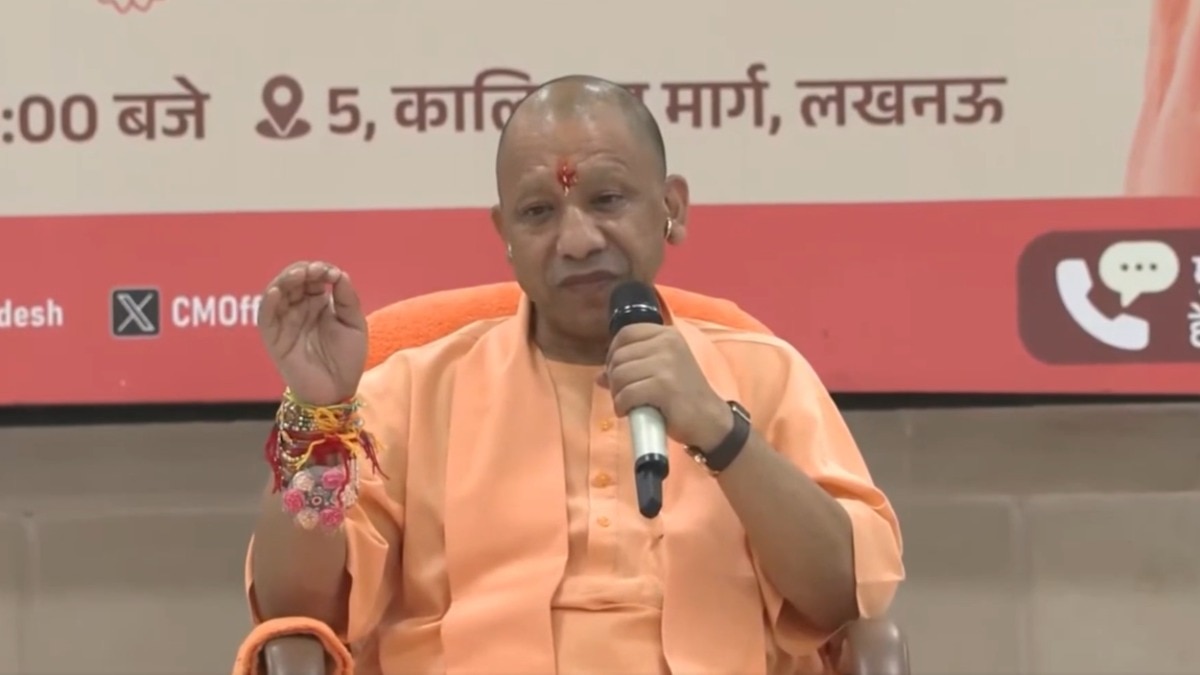
In response to the rising concerns over the H1N1 (Swine Flu) outbreak in the neighboring National Capital Territory, Uttar Pradesh Chief Minister Yogi Adityanath has directed all state hospitals to remain on high alert. The Chief Minister emphasized the need for continuous monitoring and immediate reporting of any significant change in the epidemiological situation.
District magistrates and health department officials have been tasked with maintaining special vigilance within their respective jurisdictions. The administration has specifically instructed hospitals to ensure that isolation wards are fully functional and that there is no shortage of essential medicines or diagnostic testing kits to manage potential influxes of patients.
Why This Matters
BozokMedia analysis shows that the interconnectedness of the Delhi-NCR region poses a significant risk for the rapid transmission of respiratory viruses. As Delhi struggles with a surge in cases, Uttar Pradesh's proactive stance is a critical measure to prevent a cross-border health crisis.
Medical authorities warn that the current rise in respiratory illnesses necessitates a robust and rapid response to prevent H1N1 from becoming an uncontrolled outbreak.
Currently, Delhi has reported more than 2,600 H1N1 cases, with 166 new infections recorded in just the last 24 hours. The Delhi government is simultaneously reviewing its own healthcare preparedness to manage the growing number of patients effectively.
Historical Background
H1N1, commonly known as Swine Flu, is a subtype of the Influenza A virus. It gained global attention during the 2009 pandemic and continues to pose seasonal challenges to public health systems in densely populated regions like India.
Frequently Asked Questions
1. What are the common symptoms of H1N1?
Common symptoms include fever, cough, sore throat, muscle aches, and fatigue.
2. How can people protect themselves?
Practicing good hand hygiene, wearing masks in crowded places, and staying updated with vaccinations are key preventive measures.