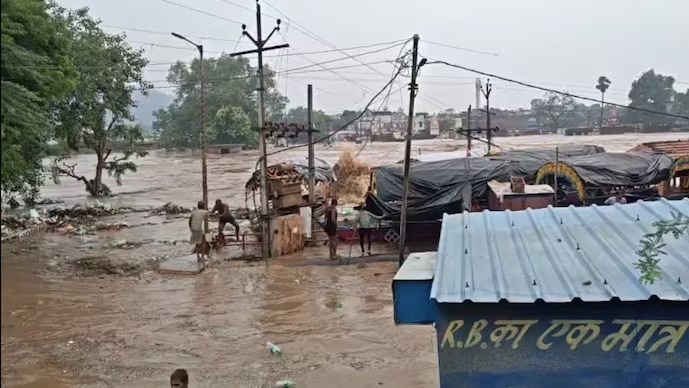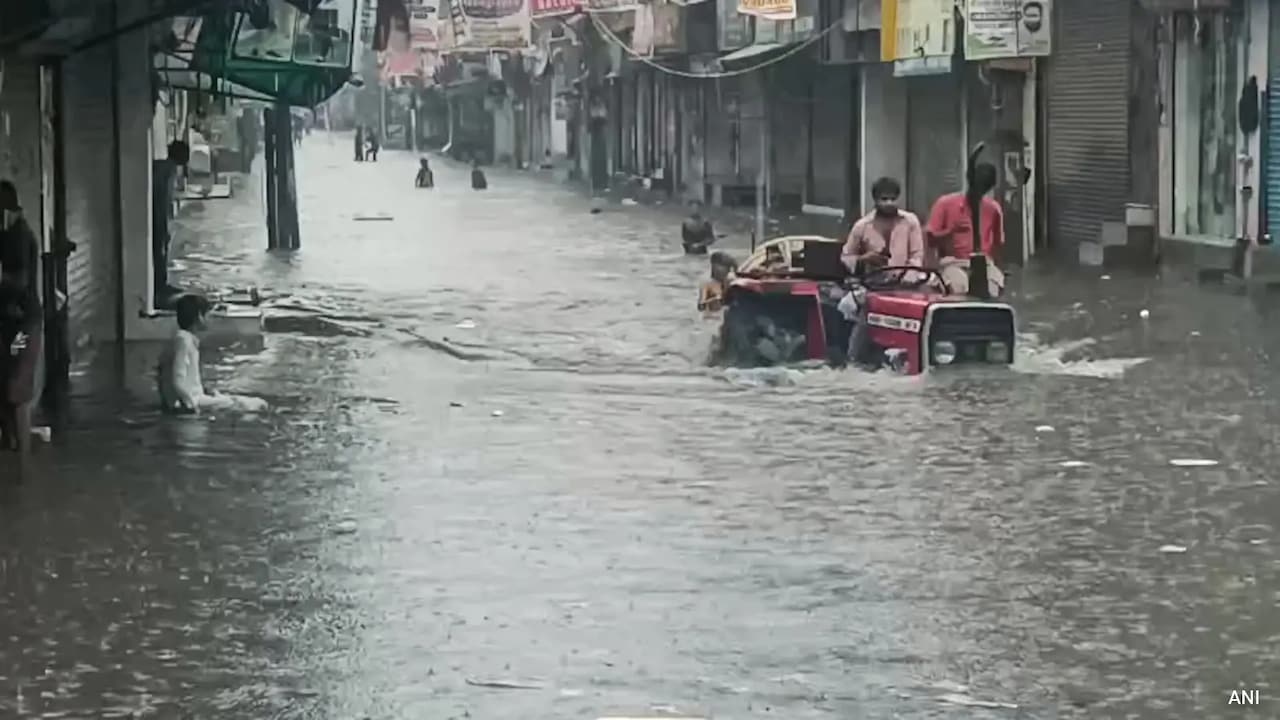
Following heavy rainfall that left commuters wading through waist-deep water, the Delhi Government has mobilized top officials to probe 139 identified waterlogging locations across the capital.
- Delhi Traffic Police identified 139 total waterlogging hotspots.
- Severe flooding reported in Sangam Vihar and Sadar Bazar.
- Senior officials have been tasked with conducting deep-dive investigations.
The monsoon season in Delhi has once again exposed the vulnerabilities of the city's drainage infrastructure. In response to escalating public distress, the Delhi Government has officially deployed high-ranking officers to investigate 139 critical waterlogging hotspots. This move comes after widespread reports of streets turning into rivers during recent downpours.
According to data released by the Delhi Traffic Police, the number of problematic locations has surged. The police identified 113 waterlogging sites during rainfall up to August 20, followed by an additional 26 locations after the heavy rains on August 24, bringing the cumulative total to 139 critical points.
Why This Matters
BozokMedia analysis shows that the increasing frequency of these hotspots suggests a systemic failure in urban planning and maintenance. As the city expands, the existing drainage network struggles to cope with the volume of runoff, leading to significant economic disruption and public health risks in densely populated areas.
The recurring nature of waterlogging in Delhi highlights a critical disconnect between urban expansion and the maintenance of essential drainage corridors.
The impact on the ground has been harrowing. In areas like Sangam Vihar and Sadar Bazar, commuters were forced to wade through waist-deep water, paralyzing local commerce and making daily travel nearly impossible. The situation in these low-lying areas remains a primary concern for the investigating officers.
Historical Background
Historically, Delhi has struggled with urban flooding due to the encroachment of natural wetlands and the blockage of traditional storm-water drains. Over the decades, rapid urbanization has replaced permeable soil with concrete, significantly increasing surface runoff during monsoon months.
Frequently Asked Questions
Question 1: How many hotspots were identified by the police?
Answer: A total of 139 hotspots were identified by the Delhi Traffic Police.
Question 2: Which areas were most affected?
Answer: Sangam Vihar and Sadar Bazar were among the most severely affected areas.