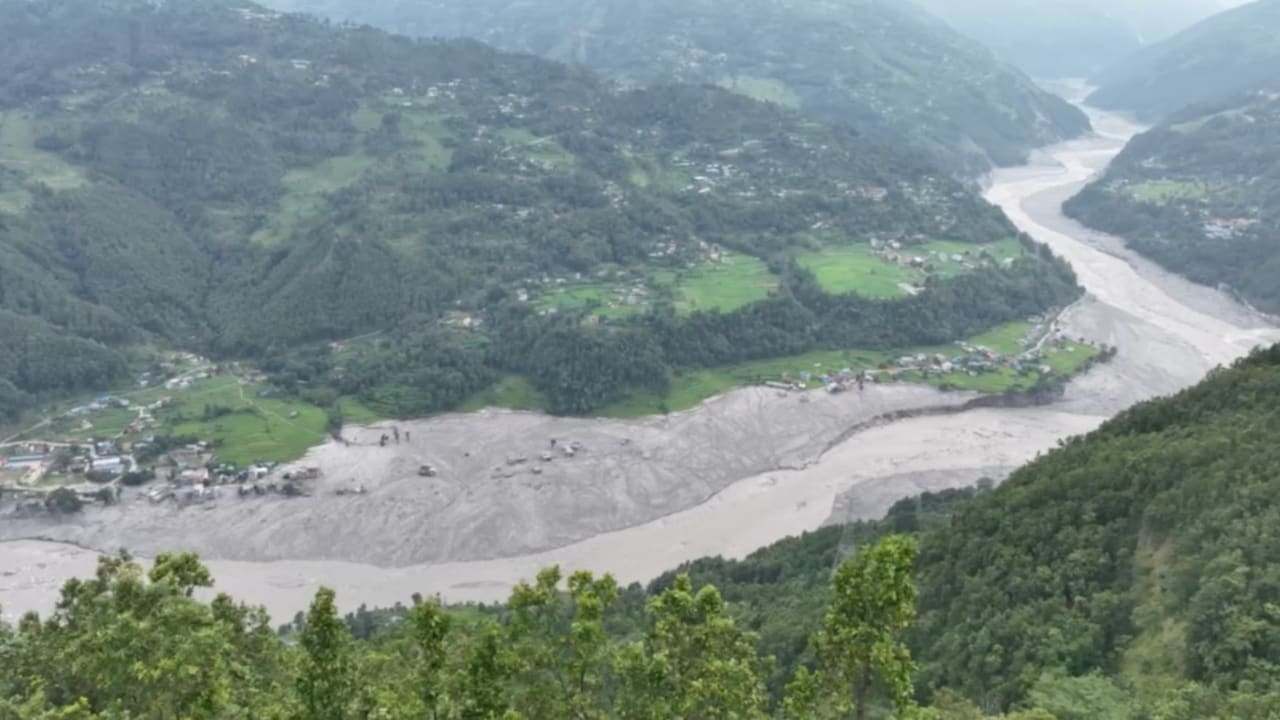
A devastating flash flood has leveled parts of Nepal's Rasuwa district, leaving hundreds missing and thousands displaced. NDTV's ground report reveals a landscape submerged in debris and a desperate search for survivors.
- Rasuwa district is the worst-hit region following Wednesday's flash floods.
- Official reports indicate 562 people remain missing.
- Infrastructure has been completely decimated by mudslides and debris.
The northern district of Rasuwa has been transformed into a wasteland following a series of catastrophic flash floods that struck on Wednesday. The scale of the disaster is nearly unfathomable, with entire villages swept away by a torrent of water, boulders, and mud. Rescue teams are currently battling treacherous terrain and unstable soil to locate survivors, but the window for successful rescues is closing rapidly.
According to ground reports, the surge of water descended from the high Himalayan peaks, catching residents off guard. The sheer volume of debris—ranging from uprooted ancient trees to shattered concrete structures—has blocked primary transportation arteries, isolating the district from the rest of the country. Local authorities are struggling to coordinate relief efforts as communication lines remain intermittent.
Why This Matters
BozokMedia analysis shows that the disaster in Rasuwa is not an isolated incident but a symptom of increasing climatic instability in the Hindu Kush-Himalayan region. The combination of erratic monsoon patterns and fragile mountain topography makes these districts highly susceptible to GLOFs (Glacial Lake Outburst Floods) and sudden landslides, posing a systemic threat to regional security and human life.
"The geological instability of northern Nepal, coupled with extreme precipitation, creates a perfect storm for catastrophic flash floods."
The humanitarian crisis is compounding as food and clean water supplies dwindle. Displaced families are currently sheltering in makeshift tents, facing the risk of waterborne diseases. The government of Nepal has appealed for international assistance, specifically requesting heavy machinery for debris clearance and specialized search-and-rescue teams.
Historical Background
Nepal has a long history of devastating floods, most notably the 2015 earthquake which destabilized slopes across the region, making them more prone to landslides during the monsoon. Rasuwa, being a high-altitude district, has historically faced challenges with infrastructure resilience, but the magnitude of Wednesday's event surpasses recent historical benchmarks.
Frequently Asked Questions
1. How many people are missing in Rasuwa?
Currently, 562 people are reported missing following the flash floods.
2. What is the primary cause of the devastation?
The devastation was caused by sudden flash floods and subsequent mudslides triggered by heavy rainfall in the northern mountains.

