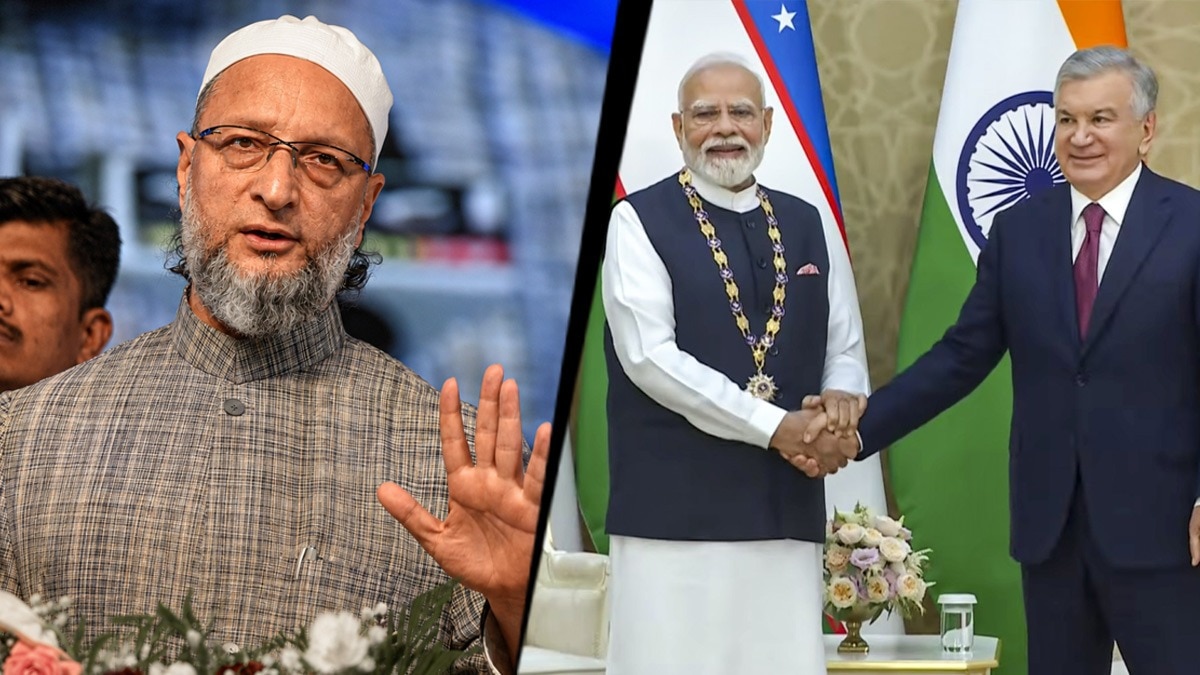
BRS leader B. Vinod Kumar has written to Union Health Minister J.P. Nadda, requesting a reduction in the NEET-PG All India Quota to align it with undergraduate medical quotas.
- Former MP B. Vinod Kumar urged Union Minister J.P. Nadda for quota reform.
- Demand to reduce NEET-PG All India Quota (AIQ) from 50% to 15%.
- Aims to bring PG quota in line with the 15% UG medical seat quota.
- Emphasis on Telangana's massive investment in state medical infrastructure.
In a significant move towards medical education reform, former Member of Parliament and BRS leader B. Vinod Kumar has formally urged Union Health and Family Welfare Minister J.P. Nadda to reconsider the All India Quota (AIQ) for postgraduate medical admissions. Kumar is advocating for the reduction of the current 50% AIQ to 15%, bringing it on par with the quota applicable to undergraduate (MBBS) medical seats.
In his detailed correspondence, Mr. Kumar highlighted the stark disparity between the 15% AIQ for eligible government MBBS seats and the substantial 50% AIQ for postgraduate seats. He argued that this imbalance warrants immediate policy reconsideration to ensure equitable distribution of resources across states.
Why This Matters
BozokMedia analysis shows that this demand touches upon the core of India's federal structure in healthcare. As states like Telangana invest heavily in establishing new government medical colleges, the ability to retain specialized talent within the state becomes crucial for long-term healthcare stability.
Postgraduate medical seats are highly specialized and limited in number; states should retain a larger share to strengthen their local specialist healthcare systems.
The former MP emphasized that his demand is not an opposition to the principle of national merit or the existence of the AIQ itself. Instead, he pointed out that because PG seats are highly specialized and limited, the existing 50% quota appears disproportionately high compared to the undergraduate level. By reducing the AIQ to 15%, states would be better equipped to retain a larger proportion of PG seats for their own medical graduates.
Furthermore, Mr. Kumar has called for a comprehensive, state-wise analysis of the current AIQ system. He believes that transparent, objective data is essential to determine whether the existing 50% formula is truly equitable for all states or if it creates an undue disadvantage for those that have expanded their own medical infrastructure.
Frequently Asked Questions
1. What is the current NEET-PG All India Quota?
The current All India Quota for postgraduate medical seats stands at 50%.
2. Why is Telangana specifically mentioned in this demand?
Telangana has made significant public expenditure to establish new government medical colleges to meet its growing healthcare needs.