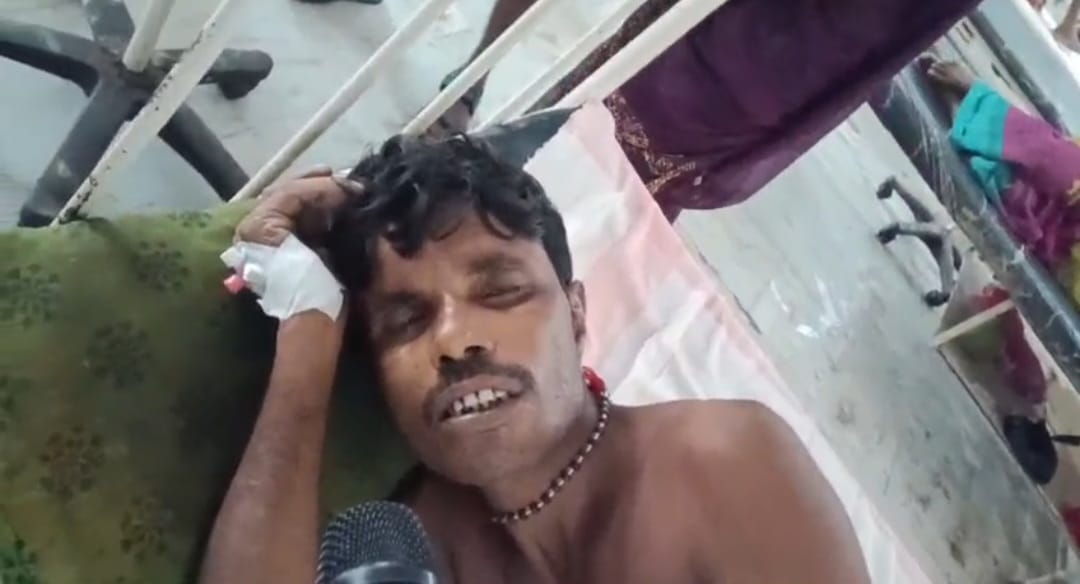
The death of a court employee in a wild gaur attack in Vilangad has sparked intense anger among farmers, who allege gross negligence by the Forest Department.
- 40-year-old V.C. Sunil killed in a wild gaur attack in Vilangad.
- Farmers allege Rapid Response Teams (RRT) are ineffective.
- Protests demand immediate power fencing and trenches.
- Calls for state-wide agitation against human-wildlife conflict.
The fatal attack of a wild gaur on 40-year-old court employee V.C. Sunil in Vilangad, Kozhikode district, has ignited a firestorm of protests among upland farmers. The incident has brought long-standing grievances regarding human-wildlife conflict to the forefront, with local communities accusing the Kerala Forest Department of systemic failure in protecting both human lives and agricultural livelihoods.
Allegations of Administrative Negligence
During a protest march on Saturday, farmers from various organizations alleged that the Rapid Response Teams (RRTs) and forest watchers are failing to curb the increasing frequency of animal incursions. T. Varghese, a local farmer, highlighted a critical gap in infrastructure, noting that proposals for hanging power fences and protective trenches in the Vanimel panchayat remain stalled due to alleged funding shortages and bureaucratic delays.
Furthermore, there is a growing sense of fear within the community. Some leaders of farmers' collectives expressed hesitation in escalating protests, citing potential retaliatory actions from forest officials. The 'We Farm' collective emphasized that the threat posed by gaurs extends beyond local residents to tourists visiting eco-tourism hubs like Kakkayam.
Historical Context of Conflict
The region has a harrowing history of such encounters. In 2024, a 70-year-old farmer was killed in a similar attack in Kakkayam. That same year, the Kakkayam eco-tourism center was forced to shut down following an attack on a woman and her daughter. Despite these repeated tragedies, the lack of a permanent, structural solution remains a point of contention for the Kerala Independent Farmers Association.
The recurring nature of these fatal encounters suggests that current mitigation strategies are reactive rather than preventive.
Why This Matters: BozokMedia Analysis
BozokMedia analysis shows that this conflict is not merely about animal behavior but is a symptom of inadequate policy implementation. The gap between the proposal of safety measures (like power fencing) and their actual execution creates a 'danger zone' for rural populations. As human habitats encroach upon forest fringes, the failure to provide robust physical barriers transforms manageable wildlife presence into a lethal threat.
Frequently Asked Questions
1. What are the primary demands of the protesting farmers?
Answer: They are demanding the immediate construction of power fences, adequate compensation for victims, and the culling of particularly aggressive animals.
2. How has the Forest Department responded?
Answer: Department sources state they are coordinating with the State Government for compensation and have discussed fencing projects with the District Collector.
Comparison: Safety Infrastructure Status
| Infrastructure/Measure | Status/Condition |
|---|---|
| Hanging Power Fences | Pending Approval/Funding |
| Rapid Response Teams | Reported as Ineffective |
| Compensation Policy | Deemed Inadequate by Farmers |