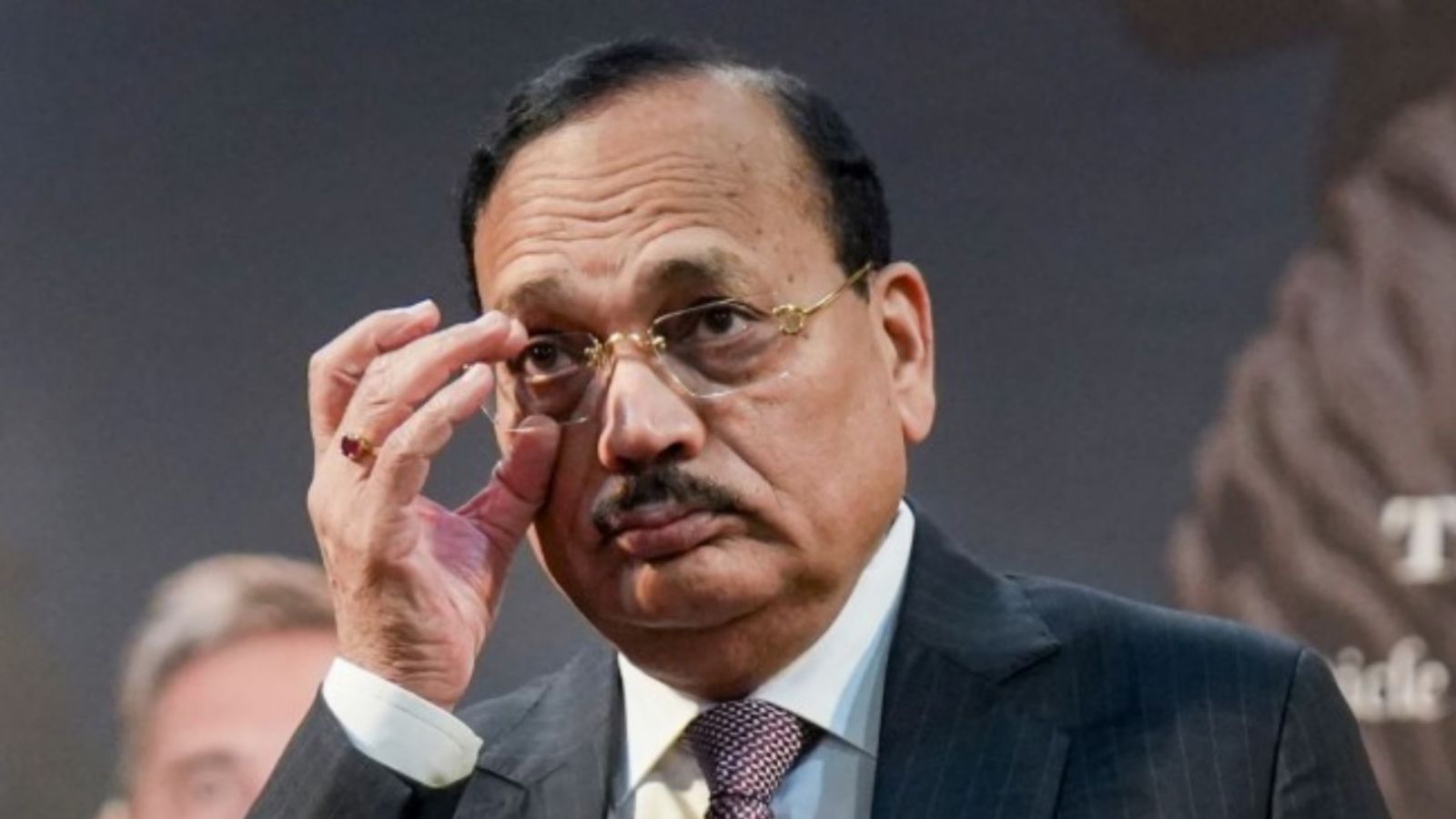
Pakistan's military chief General Asim Munir and Foreign Minister Ishaq Dar have arrived in Turkey for high-level consultations regarding a pivotal defense pact involving Saudi Arabia, signaling a major geopolitical realignment.
- General Asim Munir and Ishaq Dar are in Istanbul for critical defense consultations.
- The meetings center around the Makkah Defense Pact committee to strengthen military ties.
- The alliance aims to integrate Turkish technology with Saudi strategic support and Pakistani manpower.
The arrival of Pakistan's Army Chief, General Asim Munir, and Foreign Minister Ishaq Dar in Istanbul marks a significant escalation in Pakistan's strategic diplomacy. This visit is not merely a routine diplomatic exchange but a calculated move to solidify a burgeoning defense triangle between Pakistan, Turkey, and Saudi Arabia.
At the heart of these discussions is the Makkah Defense Pact committee. This framework is designed to facilitate the co-production of military hardware, joint intelligence operations, and high-level tactical training. By leveraging Turkey's rapid advancements in unmanned aerial vehicles (UAVs) and Saudi Arabia's immense financial capabilities, Pakistan seeks to modernize its aging military infrastructure.
Why This Matters
BozokMedia analysis shows that Pakistan is actively pursuing a strategy of 'strategic diversification.' By reducing its singular reliance on traditional Western allies, Islamabad is hedging its bets against global political volatility. This new axis creates a powerful bloc that blends Turkish industrial ambition, Saudi financial muscle, and Pakistani operational experience, potentially shifting the balance of power in South Asia and the Middle East.
"The formation of this trilateral security architecture represents a shift toward a multipolar regional order where non-Western alliances dictate security terms."
Historically, the bond between Pakistan and Turkey has been rooted in shared cultural and religious identity. However, the current trajectory indicates a transition toward a hard-security partnership. The alignment with Saudi Arabia adds a layer of legitimacy and economic stability, ensuring that the defense pact is sustainable in the long term.
Furthermore, the regional ripples are already being felt. Reports suggest that countries like Bangladesh are viewing such cooperative frameworks with openness, indicating that this alliance could eventually evolve into a broader regional security organization, challenging existing norms of diplomacy in the Global South.
Frequently Asked Questions
1. What is the primary goal of the Makkah Defense Pact?
The pact aims to enhance military interoperability and defense industrial cooperation among member Islamic nations to ensure regional stability.
2. How does this affect Pakistan's relations with the West?
While it doesn't necessarily signal a break with the West, it shows Pakistan's desire for strategic autonomy and a diversified source of military procurement.