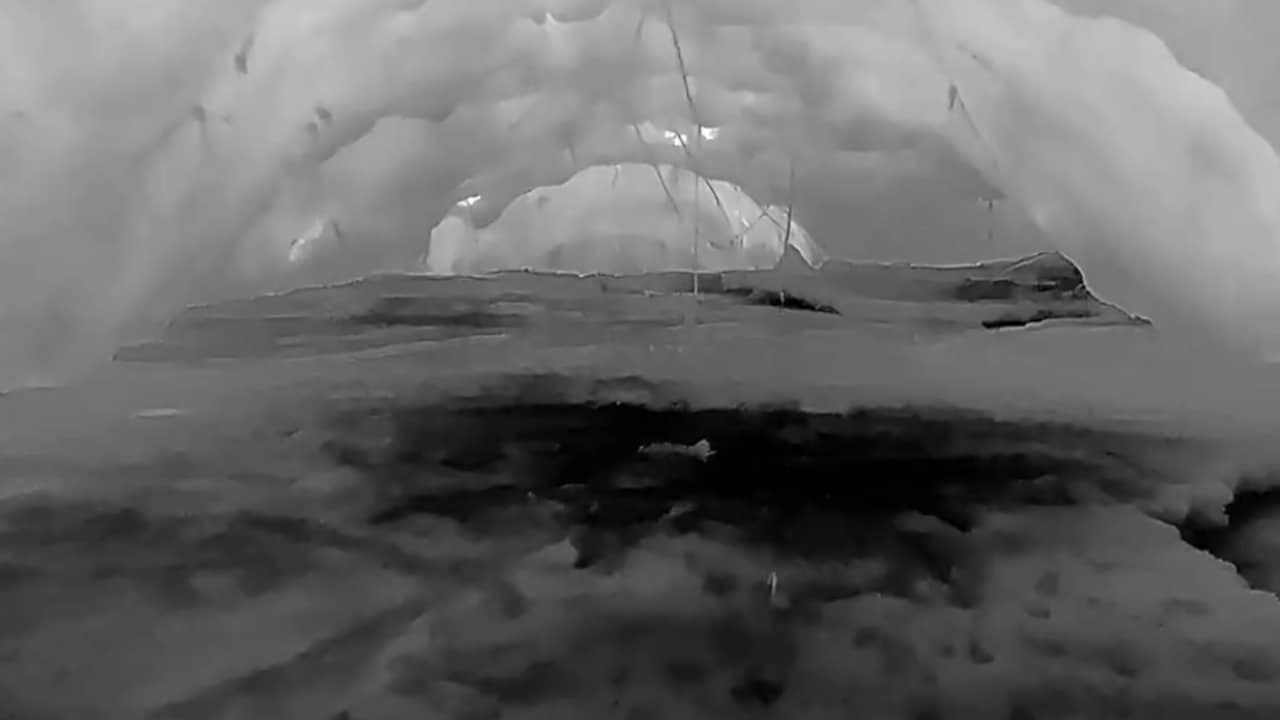
A catastrophic flash flood has struck the Grand Canyon, leaving 15 people missing and forcing the evacuation of 62 others. Authorities fear further storms could hamper ongoing rescue operations.
- 15 people reported missing and 62 successfully evacuated following severe flash floods.
- Phantom Ranch and North Kaibab Trail have been closed by the National Park Service.
- Extreme rainfall triggered debris flows, destroying bunkhouses and infrastructure.
The Grand Canyon, one of the world's most revered natural wonders, has been transformed into a scene of devastation following a series of violent flash floods. The sudden deluge has left at least 15 individuals missing, prompting a massive search and rescue operation. Emergency teams have managed to evacuate 62 people from high-risk zones, though the situation remains volatile.
Eyewitness accounts and viral footage reveal the sheer power of the water, which swept away entire bunkhouses and transported massive boulders downstream. The rapid onset of the flood left hikers and visitors with little time to react, turning a scenic excursion into a fight for survival.
Why This Matters
BozokMedia analysis shows that this event underscores the increasing frequency of 'extreme precipitation events' in arid regions. As global temperatures rise, the atmosphere holds more moisture, leading to sudden, intense bursts of rain that the canyon's rocky terrain cannot absorb, resulting in lethal torrents. This highlights the urgent need for better early-warning systems in national parks.
"The topography of the Grand Canyon acts as a natural funnel, amplifying the force of flash floods to a level that can erase entire campsites in seconds."
In response to the crisis, the National Park Service (NPS) has officially closed the Phantom Ranch and the North Kaibab Trail. These areas are critical transit points that are now deemed unsafe due to structural damage and the lingering threat of secondary floods.
Historically, the Grand Canyon has faced periodic flooding, but the current scale of destruction is alarming. Meteorologists warn that the atmospheric conditions remain unstable, and further storms are predicted, which could trigger additional landslides and water surges.
Frequently Asked Questions
Q1: Which specific areas of the park are currently closed?
A: The National Park Service has specifically closed Phantom Ranch and the North Kaibab Trail to ensure public safety.
Q2: What is the current status of the missing persons?
A: Search and rescue teams are utilizing drones and specialized ground units, though further storms are complicating the effort.