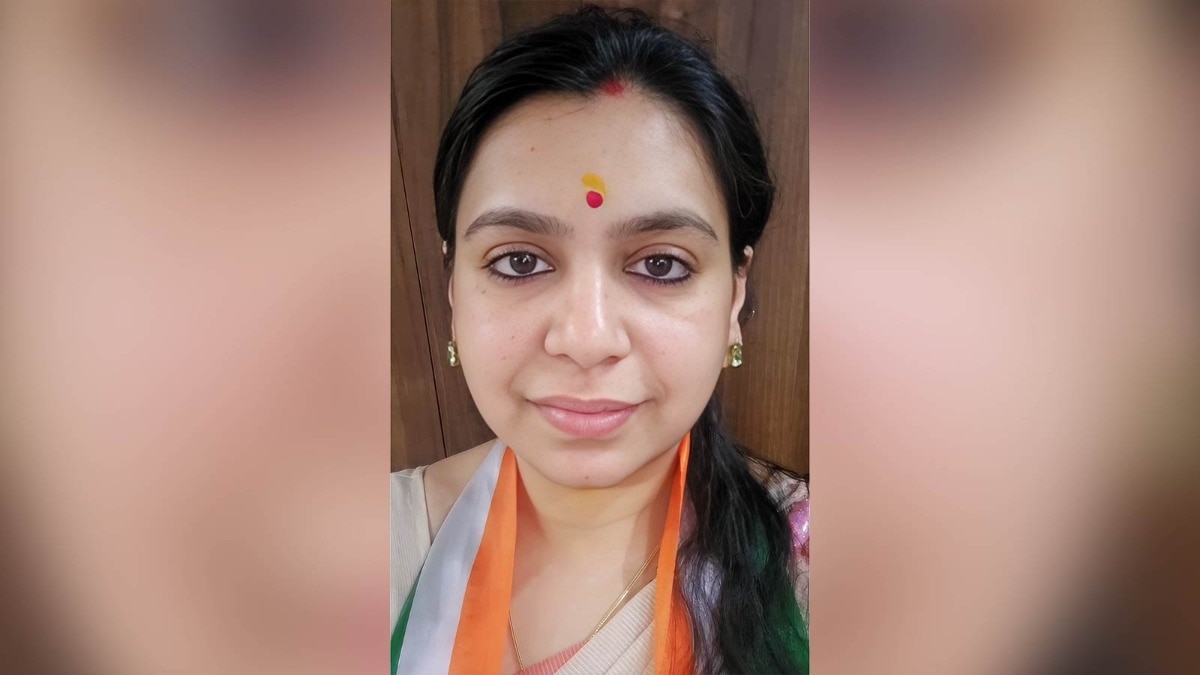
2013-batch IAS officer Divya Mittal has voluntarily resigned from the Uttar Pradesh cadre, sharing a poignant farewell note reflecting on her journey from IIT and IIM to public service.
- IAS Divya Mittal (2013 batch, UP cadre) has announced her voluntary resignation.
- The officer previously studied at IIT Delhi and IIM Bangalore and worked in London before joining the civil services.
- Her resignation follows a 13-year career marked by significant projects in Deoria and Mirzapur.
In a move that has sparked widespread conversation across social media and administrative circles, Divya Mittal, a distinguished 2013-batch IAS officer of the Uttar Pradesh cadre, announced her decision to step down from her position on Sunday. Through a deeply emotional and poetic social media post, Mittal reflected on a journey that spanned over a decade, describing her time as a public servant as an "unforgettable" experience that fundamentally reshaped her identity.
Mittal's trajectory is one of academic and professional excellence. Before entering the Indian Administrative Service, she navigated the rigorous paths of IIT Delhi and IIM Bangalore, eventually securing a high-profile corporate role in London. However, she noted that despite achieving conventional markers of success, she felt a profound sense of incompleteness. This void, she explained, was a calling to return to India and repay the "debt" she owed to her homeland.
Why This Matters
BozokMedia analysis shows that the resignation of high-performing young officers like Divya Mittal highlights a growing trend of "purpose-driven exits" within the Indian bureaucracy. While the IAS is often viewed as the pinnacle of stability and power, Mittal's narrative suggests a shift toward seeking fulfillment beyond administrative hierarchy. Her emphasis on the "human element" behind government files reflects a modern administrative struggle between systemic rigidity and empathetic governance.
During her tenure, Mittal served in various critical districts. She recounted how her posting in Deoria taught her that upholding the truth is a non-negotiable duty, while her time in Mirzapur shattered her perception of what is "impossible." She specifically highlighted the emotional reward of seeing marginalized families gain land rights and farmers finally receiving irrigation water as the true milestones of her career.
The transition from corporate success in London to the grassroots of Mirzapur underscores a rare commitment to social equity over personal prestige.
In a candid admission, Mittal wrote that she was "foolish" to initially believe she joined the service to give back to society. Instead, she realized that the service gave her far more in terms of emotional growth and perspective than she could ever contribute. She recalled a touching moment where an elderly woman in Mirzapur blessed her after a water project was completed, stating that such human connections outweigh any official designation.
The formal process of her resignation is now pending. The final decision rests with the Union Ministry of Home Affairs, which will act upon the recommendations provided by the Uttar Pradesh government. This resignation marks the end of a chapter for an officer who transitioned from the boardrooms of London to the rural heartlands of India.
Frequently Asked Questions
Q1: Why did IAS Divya Mittal resign?
Divya Mittal resigned voluntarily, stating that she had fulfilled her personal dreams and now wishes to focus on the broader dreams she envisions for the people of the nation.
Q2: What was Divya Mittal's background before joining the IAS?
She is an alumna of IIT Delhi and IIM Bangalore and had previously worked in London before returning to India to join the civil services.

