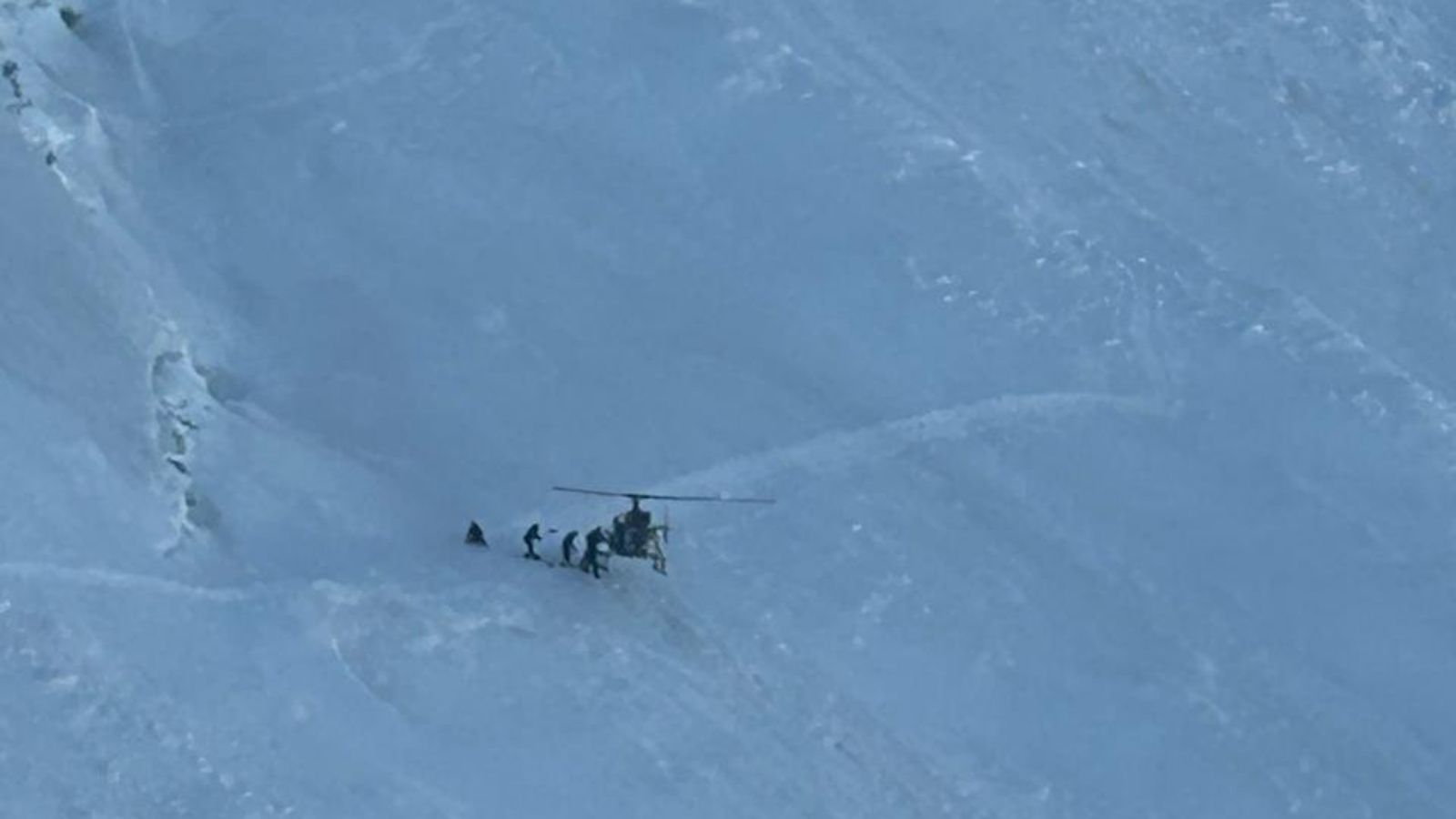
In a breathtaking display of skill, Indian Army Aviation pilots rescued a casualty from a steep slope at 18,600 feet near the Nun Kun massif. The mission was completed under extreme weather and terrain challenges.
In a remarkable display of bravery and technical expertise, Indian Army Aviation pilots executed a high-stakes casualty evacuation on Saturday. Operating at an altitude of 18,600 feet near the Nun Kun massif, the crew managed to rescue a patient from a treacherous mountain slope despite battling strong winds and fading daylight.
Extreme Environmental Challenges
The mission was fraught with complications. At such extreme altitudes, the reduced atmospheric density significantly impacts engine performance and rotor lift, making flight stability a constant struggle. The Fire and Fury Corps of the Indian Army lauded the operation, describing it as a testament to the "skill, courage, and compassion" of its personnel.
Why This Matters: BozokMedia Analysis
BozokMedia analysis shows that high-altitude aviation in the Himalayas is one of the most complex aeronautical challenges globally. The pilots had to perform a delicate balancing act between physics and survival. By stripping the helicopter of all non-essential gear and carrying minimal fuel, the crew maximized the aircraft's lifting capacity, allowing them to operate in the thin mountain air where standard flight protocols often fail.
The precision required to hover a helicopter with a single skid touching a steep slope is nothing short of extraordinary.
As the helicopter approached the casualty, the crew found no conventional landing zone. The terrain was a steep, unforgiving slope with no flat surface. To complete the mission, the pilots performed a critical maneuver, holding the aircraft in a low hover and stabilizing it by resting just one skid against the mountainside. This allowed the crew to secure the patient quickly before ascending back to safety.
Historical Background of Himalayan Operations
The Indian Army has a long and storied history of conducting rescue and combat operations in the high-altitude regions of Ladakh and Arunachal Pradesh. These missions are defined by extreme cold, unpredictable weather patterns, and the physiological challenges of hypoxia, making every successful evacuation a monumental achievement for the aviation wing.
Frequently Asked Questions
Question 1: What made this rescue mission particularly difficult?
Answer: The combination of extreme altitude, thin air, strong mountain winds, and the lack of a flat landing spot made it highly dangerous.
Question 2: How did the pilots manage the helicopter's weight?
Answer: They removed all non-essential equipment and carried only the minimum required fuel to increase lifting capability.