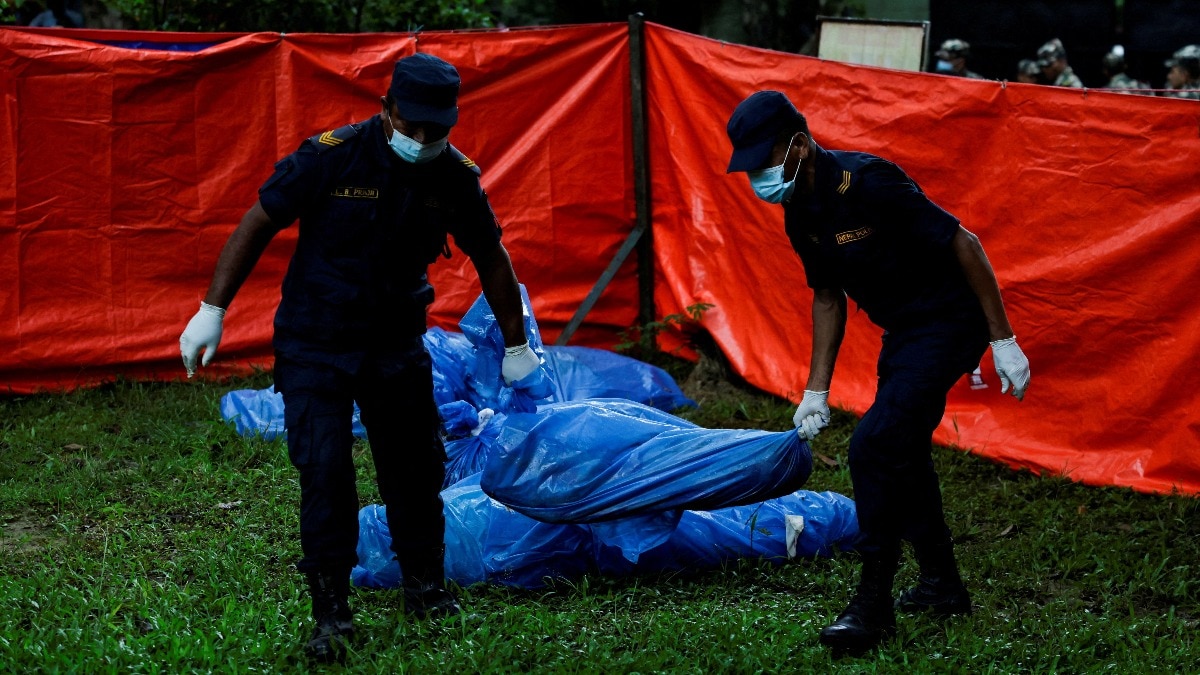
The Nepalese government has adopted a controversial new protocol for managing unidentified remains, opting to bury bodies first and utilize forensic data for subsequent identification due to health risks and space constraints.
- Nepal is burying unidentified remains first and conducting identification later.
- The decision is driven by public health risks and overcapacity in morgues.
- DNA sampling and digital forensic records will be used for future identification.
In Kathmandu, authorities have implemented a procedural shift that has sparked intense debate among human rights advocates and legal scholars. Nepal has seen a surge in unidentified bodies, leading to a crisis in morgue capacity. To mitigate this, the government has decided to proceed with burials, provided that biological samples are extracted beforehand for future verification.
This protocol is being prioritized in regions prone to natural disasters and unidentified accidents. Officials argue that maintaining decomposing remains indefinitely is not only a public health hazard but also an ethical dilemma. The Nepal Police and the Department of Health are now establishing a comprehensive digital database to store the DNA profiles and descriptions of every interred individual.
Why This Matters
BozokMedia analysis shows that this move highlights the severe lack of forensic infrastructure in Nepal. While the immediate goal is sanitation and space management, the long-term implication is a shift toward 'post-burial identification', which is rare in global judicial standards. This could lead to legal complexities regarding death certificates and inheritance laws.
"The balance between public health urgency and the right to a dignified identification is a precarious tightrope for the Nepalese administration."
Historically, Nepal has struggled with the identification of victims following devastating earthquakes and landslides. Previously, bodies were held until a relative claimed them, but the sheer volume of casualties often overwhelmed the system. Under the new mandate, bodies will be placed in designated cemeteries with unique identification numbers marked on the graves.
The primary hurdle remains the cost and time associated with DNA matching. Experts warn that without significant investment in modern laboratory facilities, the database may become a bureaucratic exercise, leaving families in a state of perpetual uncertainty for years.
Frequently Asked Questions
Q1: Is it possible to identify a body after it has been buried?
Yes, through the analysis of DNA samples taken prior to burial or via exhumation for bone marrow analysis.
Q2: Why was this policy introduced?
It was introduced to prevent the spread of diseases from decomposing remains and to solve the acute shortage of morgue space.
