The Samyukta Kisan Morcha (SKM) is preparing for a massive week-long dharna from September 1 to 7, demanding legal MSP guarantees and the scrapping of river water agreements. Thousands of farmers are expected to converge on the Chandigarh-Mohali border with tractor-trolleys.
- Protest scheduled from September 1 to September 7 in Sector 48-C, Chandigarh/Mohali.
- Key demands include legally guaranteed MSP for all crops and scrapping of river water agreements.
- Detailed route plans issued for farmers from Jalandhar, Ludhiana, Sirhind, and Rajpura.
- BKU Ugrahan will hold separate village-level protests instead of joining the main dharna.
The Samyukta Kisan Morcha (SKM), an umbrella body of 32 farmer organizations, has announced a strategic week-long protest in the tri-city area of Chandigarh and Mohali. Starting from September 1 and extending until September 7, the agitation aims to pressure the government on critical agricultural and regional issues. The protest comes at a challenging time for the Punjab government, which is already managing tensions with employee unions.
According to Raminder Singh Patiala, a national coordination committee member of the SKM, the administration has approved the protest site in Sector 48-C. The designated area is located on the road leading from the IISER T-point toward Tribune Chowk. To ensure an organized influx, the SKM has circulated a comprehensive route map. Farmers from the Jalandhar and Ludhiana sectors are directed via Airport Road from Gopal Sweets Chowk, while those from Sirhind will travel through Landran Chowk and Gurdwara Sohana Sahib.
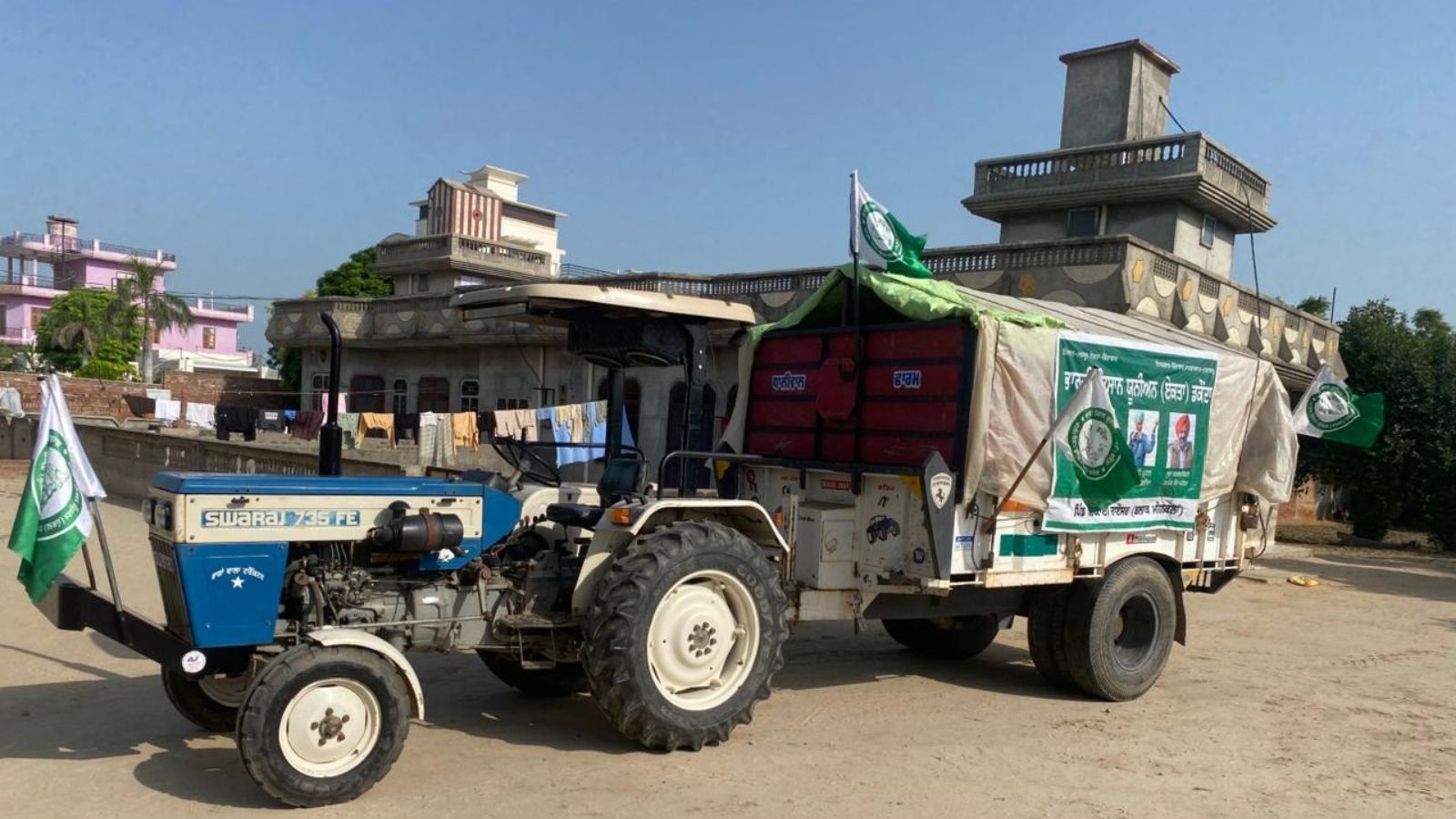
Logistical arrangements are extensive, with hundreds of tractor-trolleys and trucks being mobilized to carry rations and essential supplies. The parking strategy involves utilizing the three-lane road on the left side beyond the Bestech Square Mall intersection, with overflow parking planned along the Bawa Light House Road (New Airport Road) stretching toward the airport. Nearby parks and the Mohali Golf Club have also been identified for support infrastructure.
Why This Matters
BozokMedia analysis shows that this protest is not merely about crop prices but is a complex intersection of regional identity and economic survival. By demanding the scrapping of river water agreements and representation in the Bhakra Beas Management Board (BBMB), the SKM is tapping into deep-rooted grievances regarding Punjab's natural resources. The insistence on a legally guaranteed MSP based on the Swaminathan Commission's recommendations signals a shift from temporary relief to a demand for structural systemic change.
The convergence of agrarian distress with regional water disputes creates a volatile political climate that could destabilize current state administrative efforts.
The demands extend beyond the fields. The SKM is calling for the repeal of the Dam Safety Act, the withdrawal of the Disaster Management Act 2024, and the cancellation of the Electricity and Seed Bills of 2025. Furthermore, the union has voiced strong opposition to free trade agreements with the US and European nations, fearing an influx of cheap imports that could crash local prices.
While most unions are aligned, BKU Ugrahan, an associate member, has opted for a different strategy, choosing to conduct independent village-level programs. This divergence suggests a nuanced internal debate within the farmer's movement regarding the efficacy of centralized protests versus grassroots mobilization.
Frequently Asked Questions
Q1: Where exactly is the protest site located?
The protest is centered in Sector 48-C, on the road from the IISER T-point towards Tribune Chowk, extending into parts of Mohali.
Q2: What are the primary economic demands of the SKM?
The primary demands include a legally guaranteed MSP for all crops, a sugarcane price of Rs 500 per quintal, and a monthly old-age pension of Rs 10,000 for rural workers.