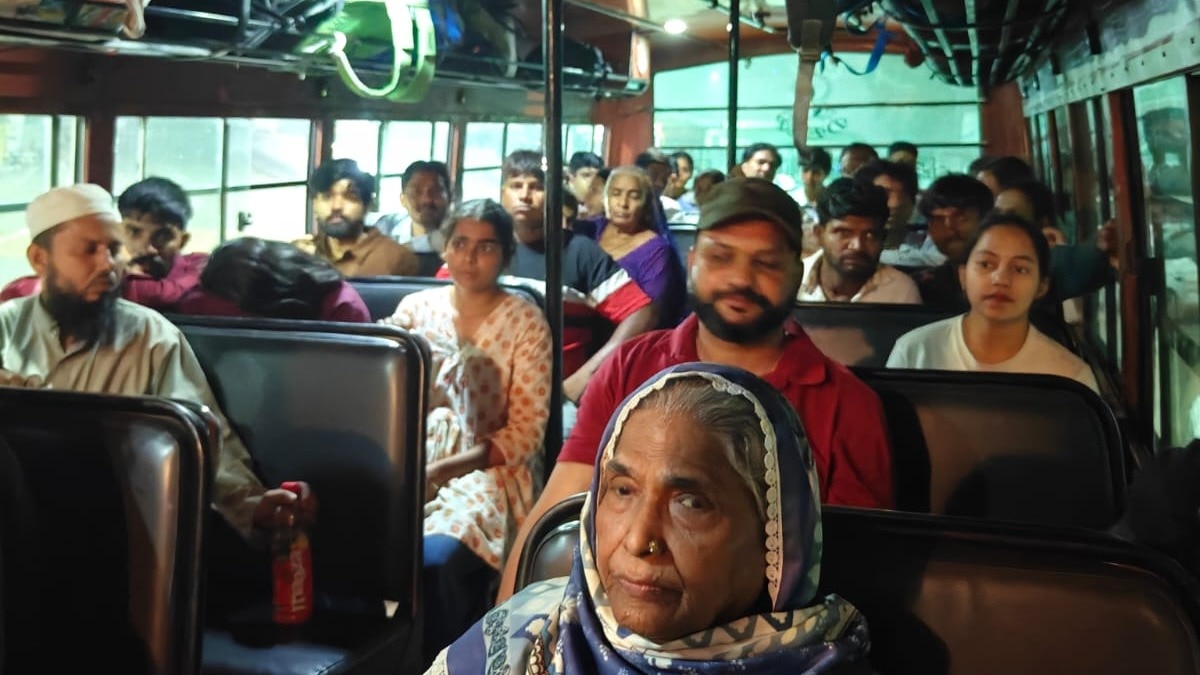
The UN Committee on the Elimination of Racial Discrimination (CERD) has expressed 'grave concern' regarding violence against minorities and Dalits in India. The report highlights systemic issues ranging from caste bias to the erosion of institutional independence.
- The UN CERD committee expressed grave concern over violence against ethnic/religious minorities and Dalits.
- The report challenges India's stance that caste-based discrimination falls outside racial discrimination conventions.
- Concerns were raised regarding the independence of the NHRC and the use of restrictive laws like UAPA and FCRA.
- Data opacity and delayed Census are hindering independent checks on discrimination.
In its first comprehensive review since 2007, the United Nations Committee on the Elimination of Racial Discrimination (CERD) has issued a stern warning to India. The committee highlighted reports of physical and systemic violence perpetrated by law enforcement against minority ethnic groups, Dalits, and non-citizens, expressing "grave concern" over the lack of detailed inquiries and sanctions regarding these incidents.
The Caste vs. Race Legal Debate
A significant point of contention lies in the interpretation of the International Convention on the Elimination of All Forms of Racial Discrimination. While the Indian government has argued that caste bias is not synonymous with race and thus falls outside the convention's scope, CERD has maintained that all forms of discrimination based on inherited status are covered. This legal distinction remains a critical battleground for human rights advocates in the country.
Why This Matters
BozokMedia analysis shows that the intersection of legal technicalities and social reality is creating a vacuum of accountability. When administrative tools are used to bypass international standards, the protection of vulnerable communities is severely compromised.
The refusal to recognize caste-based discrimination under international frameworks risks institutionalizing a culture of impunity.
The report further delves into several socio-political crises, including the practice of manual scavenging, the mass refoulement of Rohingya Muslims, and the widespread deprivation of citizenship through the National Register of Citizens (NRC). Additionally, the committee noted the use of stringent instruments such as the UAPA, AFSPA, and FCRA to potentially hamper the activities of civil society organizations.
The lack of disaggregated data is another major hurdle. With the 2011 Census being outdated and the release of NCRB data delayed, the government's ability—or willingness—to track the socioeconomic regression of Scheduled Tribes and Adivasis remains questionable. This data vacuum prevents independent verification of India's claims in fighting faith-based discrimination.
Frequently Asked Questions
1. What are the main concerns of the UN CERD report?
The main concerns include violence against minorities, caste-based discrimination, and the misuse of laws to suppress civil society.
2. How does the report view the NHRC?
The report notes concerns regarding the independence of the National Human Rights Commission (NHRC) following recent government appointments.