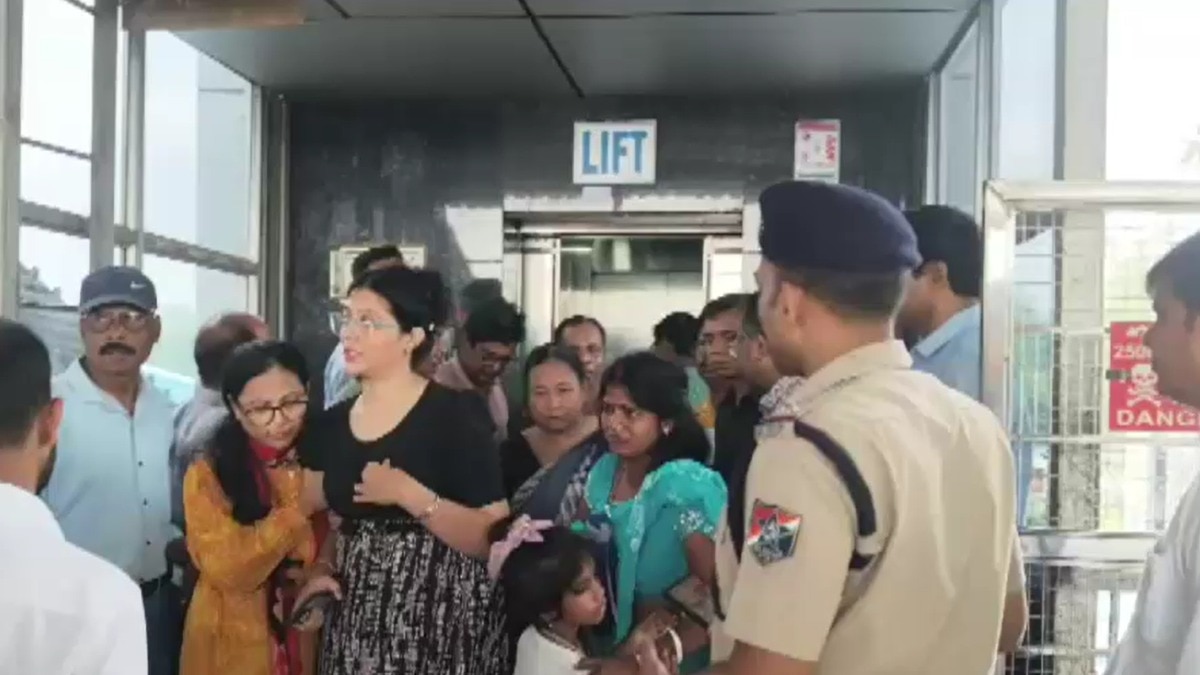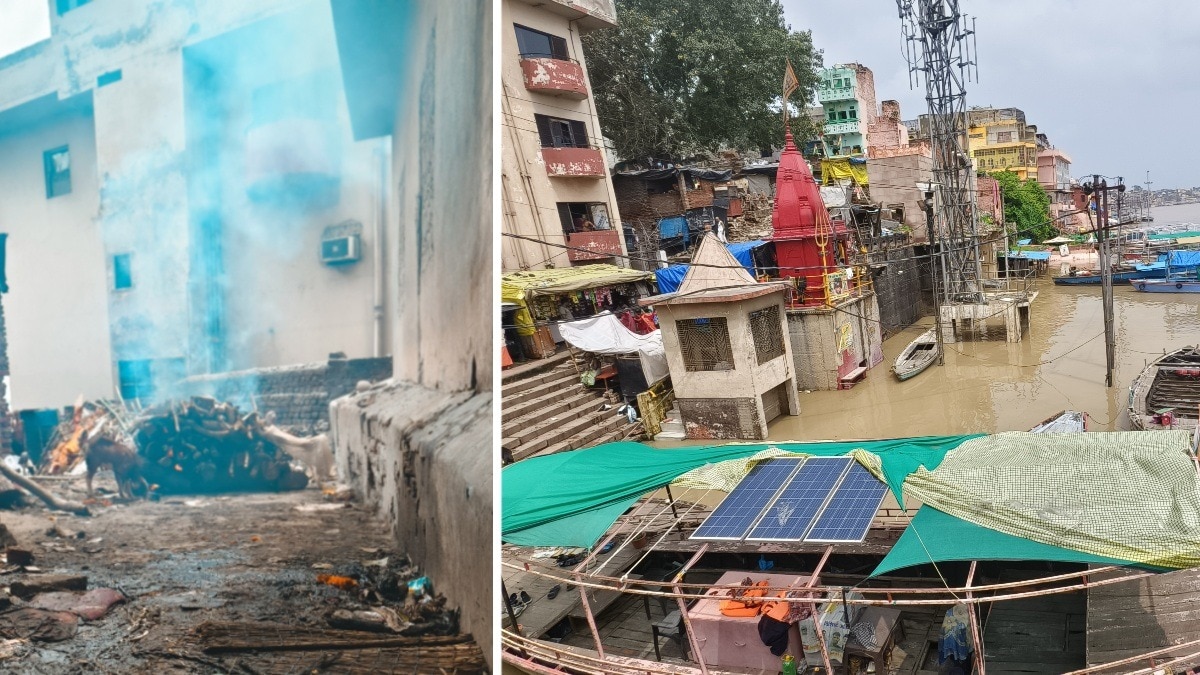
The rising water levels of the Ganges have submerged Varanasi's iconic Harishchandra Ghat, causing massive disruptions to funeral rites. Flooded narrow alleys are making it nearly impossible for families to perform final rites.
- Rising Ganges water levels have completely submerged the historic Harishchandra Ghat in Varanasi.
- Flooding in narrow alleys has disrupted the traditional process of cremation and funeral rites.
- Local residents and grieving families are facing extreme hardships due to waterlogged streets.
The spiritual capital of India, Varanasi, is currently grappling with the fury of nature. The surging levels of the Ganges River have swallowed the legendary Harishchandra Ghat, a site synonymous with the cycle of life and death. The submergence of the ghats has not only halted religious ceremonies but has also created a logistical nightmare for those performing final rites.
The floodwaters have not been confined to the riverbanks; they have breached the ancient, narrow alleys that connect the ghats to the rest of the city. This inundation has made the movement of funeral processions incredibly difficult, as the traditional pathways are now under water, leaving grieving families to navigate treacherous conditions to honor their departed loved ones.
Why This Matters
BozokMedia analysis shows that the flooding of Varanasi's ghats is more than just a seasonal inconvenience; it is a critical indicator of how extreme weather events are impacting heritage sites. The disruption of funeral services in such a sacred location carries profound psychological and social implications for the community.
The rising Ganges is not just challenging the city's infrastructure; it is testing the resilience of one of the world's oldest living traditions.
Historically, the ghats of Varanasi have managed seasonal fluctuations, but the current intensity of the flood has pushed the city's drainage and management systems to their limits. With the steps of the ghats completely underwater, even boat navigation has become a high-risk activity for pilgrims and locals alike.
While local authorities and municipal corporations are working on drainage and relief measures, the sheer volume of water from the Ganges makes these efforts appear insufficient. The situation around Harishchandra and Manikarnika ghats remains highly sensitive and requires immediate attention.
Frequently Asked Questions
1. Are other ghats in Varanasi also affected?
Yes, several major ghats, including Manikarnika Ghat, are experiencing significant waterlogging due to the rising river levels.
2. What is the primary cause of this flooding?
Heavy rainfall in the upstream Himalayan regions has led to a massive influx of water into the Ganges, causing it to overflow in Varanasi.