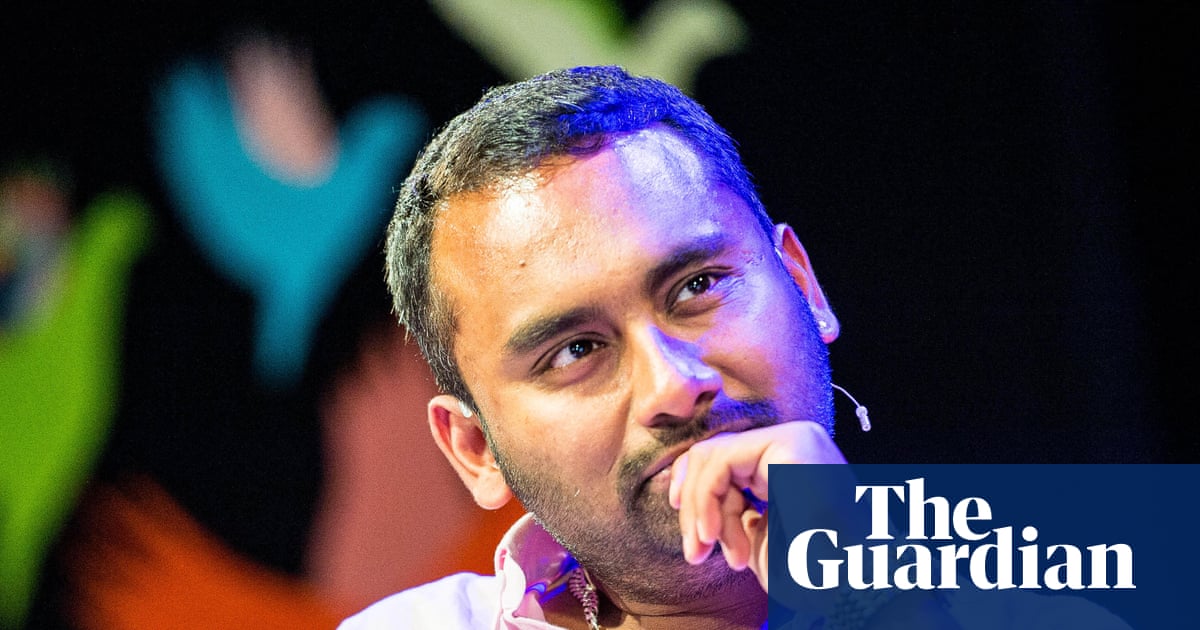
Former BBC presenter Amol Rajan warns that the corporation is facing an accelerating decline as he pivots to YouTube to avoid being 'behind the curve' in the evolving creator economy.
- Amol Rajan is leaving BBC News to venture into the YouTube creator economy.
- BBC is facing a financial crunch, needing £500m in savings over two years.
- A clash exists between traditional broadcasters and digital platforms over algorithmic prominence.
In a candid admission of the shifting media landscape, Amol Rajan, the outgoing Today programme presenter, has warned that the BBC is destined to "get smaller at an accelerating rate." Rajan, a veteran of both print and broadcast media, announced his departure to "unleash his inner entrepreneur" within the burgeoning creator economy, citing a need to stay relevant in a digital-first world.
This warning comes at a precarious time for the BBC. The corporation is currently grappling with a significant funding crisis, as the value of its licence fee dwindles and an increasing number of citizens opt out of payment. To stabilize its finances, the BBC is tasked with slashing £500 million from its budget over the next two years, a move that threatens its traditional operational scale.
Why This Matters
BozokMedia analysis shows that Rajan's move is symptomatic of a larger systemic collapse of linear broadcasting. The shift from scheduled programming to on-demand, algorithmically-curated content is not just a trend but a total restructuring of how information is consumed. When a top-tier journalist exits a public service broadcaster for a platform like YouTube, it signals that the 'prestige' of traditional institutions is being outweighed by the 'reach' of digital platforms.
"The monopoly of the living room screen is gone; the battle for attention has moved to the pocket, and the rules of engagement have completely changed."
The tension is further highlighted by the debate over "forced prominence." The BBC and other broadcasters are lobbying for government intervention to ensure their content is prioritized by algorithms on TikTok and YouTube. However, Pedro Pina, YouTube’s head for EMEA, has vehemently opposed this, arguing that such mandates would stifle independent creators and undermine viewer trust by disregarding personal taste.
Adding to the friction, Kevin Lygo of ITV highlighted the vast disparity in investment. He noted that YouTube's £3 million commitment to the UK creator economy is a mere pittance compared to ITV's £1.2 billion annual spend on content, suggesting that while platforms have the reach, traditional broadcasters still hold the purse strings for high-end production.
| Metric | Traditional Broadcasters (BBC/ITV) | Digital Platforms (YouTube) |
|---|---|---|
| Revenue Source | Licence Fee / Ad Revenue | Ad-share / Subscriptions |
| Content Delivery | Linear Scheduling | Algorithmic Recommendation |
| Investment Scale | High-budget Studio Productions | Lean, Creator-led Content |
Frequently Asked Questions
1. Why is Amol Rajan moving to YouTube?
He believes traditional media is in decline and wants to avoid being 'behind the curve' by embracing the creator economy.
2. What is the 'forced prominence' debate?
It is a conflict over whether the government should force platforms like YouTube to prioritize content from established public broadcasters over independent creators.
