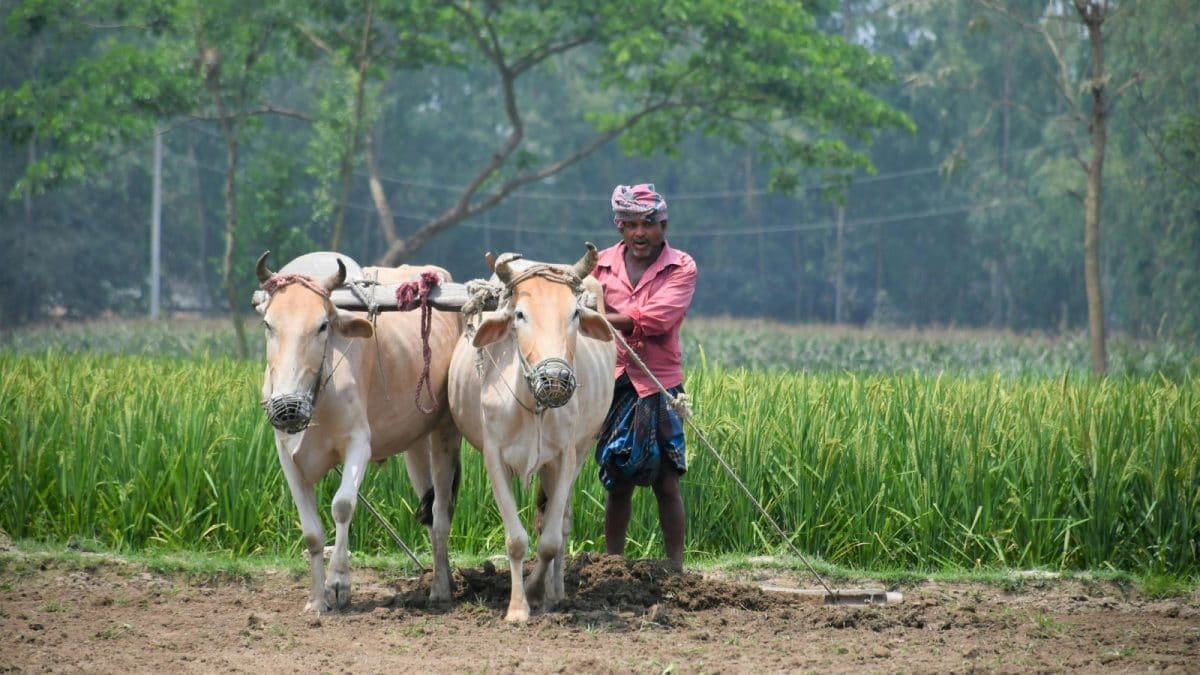
The Central Government is introducing a sophisticated digital tracking system for fertilizer distribution. By linking purchases to land records, the government aims to eliminate leakages and ensure subsidies reach genuine farmers.
- Fertilizer purchases will now be digitally linked to individual land records.
- Introduction of QR codes and digital booking to streamline distribution.
- Aim to prevent subsidy diversion and curb the black market.
In a significant move to make the Indian agricultural sector more transparent and profitable, the Central Government has announced the expansion of a massive digital platform. This system is designed to track every stage of the fertilizer lifecycle, from the production plants to the rural retail outlets, ensuring a watertight distribution chain.
The core of this new initiative is the direct integration of fertilizer procurement with individual land records. By doing so, the government can verify whether the quantity of fertilizer being purchased is commensurate with the size of the farmer's landholding and the specific crop requirements, thereby preventing the diversion of subsidized inputs to non-agricultural uses.
Why This Matters
BozokMedia analysis shows that this integration is a critical step toward 'Precision Governance.' For years, the fertilizer subsidy has been one of the largest expenditures in the Union Budget, often plagued by leakages. By creating a digital link between the asset (land) and the input (fertilizer), the government is effectively digitizing the trust mechanism in rural commerce.
"The shift from generic distribution to record-linked procurement is a game-changer for fiscal accountability in Indian agriculture."
To facilitate this transition, the government will implement QR code-based verification and digital booking systems. This will not only reduce the administrative burden on retail dealers but also spare farmers from the grueling experience of standing in long queues during peak sowing seasons.
Historically, fertilizer distribution in India relied heavily on physical registers and manual verification, which were prone to manipulation. The current shift mirrors the success of the PM-KISAN scheme, where Direct Benefit Transfer (DBT) eliminated intermediaries. This new tracking system is the logical extension of that digital transformation.
| Feature | Legacy System | New Digital System |
|---|---|---|
| Verification | Manual/Paper-based | Land Record Integration |
| Tracking | Fragmented | End-to-End (Plant to Retail) |
| Procurement | Physical Queues | Digital Booking & QR Codes |
Frequently Asked Questions
Q1: Will this system make it harder for small farmers to get fertilizer?
On the contrary, it ensures that small farmers are not cheated by middlemen and that their rightful quota is reserved and available.
Q2: How will the digital booking system work?
Farmers will likely be able to book their required quantity via a portal or app, receiving a QR code for quick pickup at the retail center.