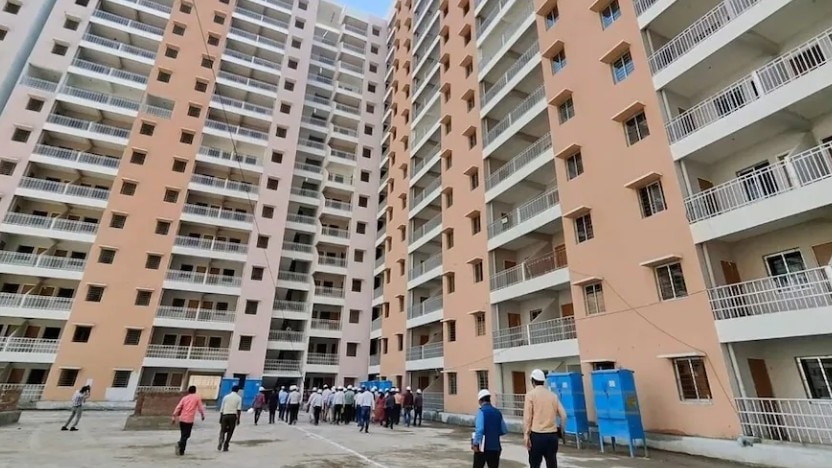
The Delhi Development Authority (DDA) has launched a digital outreach campaign to make the Master Plan-2047 accessible. Citizens can now navigate complex land pooling and TOD policies via a new FAQ and feedback system.
- DDA introduced a detailed FAQ and feedback system for Master Plan-2047.
- Complex policies like Land Pooling, TOD, and In-situ Slum Redevelopment are now simplified.
- A dedicated Citizen Service Platform allows stakeholders to submit direct suggestions.
The Delhi Development Authority (DDA) has taken a strategic leap in enhancing transparency and public participation regarding the Master Plan for Delhi-2047. Following directives from Lieutenant Governor Tarunjeet Singh Sandhu, the authority has initiated a digital communication drive to demystify the technical jargon associated with urban planning.
To bridge the gap between policy-makers and the public, DDA has uploaded a comprehensive FAQ section on its official website. This resource is specifically designed to address common queries regarding land use, permissible activities, and the legal frameworks governing the city's expansion over the next two decades.
Deep Dive into Key Policies
The focus of the new Master Plan extends beyond mere infrastructure; it aims at holistic urban regeneration. The FAQs provide critical insights into Transit Oriented Development (TOD), High Density Corridors (HDC), and Low Density Areas (LDA). Furthermore, technical details regarding Floor Area Ratio (FAR), Transferable Development Rights (TDR), and eligibility criteria for the Land Pooling Policy have been clearly outlined.
BozokMedia analysis shows that urban planning in mega-cities often fails due to a lack of grassroots communication. By digitizing the feedback loop and simplifying the rules, DDA is reducing the risk of litigation and unauthorized constructions. This shift towards an open-data approach is essential for attracting sustainable private investment into Delhi's real estate.
"True urban transformation occurs when the residents evolve from being passive subjects of a plan to active co-creators of their city."
As part of a three-month stakeholder dialogue program, the DDA will conduct 20 high-level meetings. These sessions will involve elected representatives, industry bodies, architects, and farmers to discuss critical issues such as the conservation of the Yamuna river, industrial growth, and the redevelopment of group housing societies.
| Policy/Sector | Primary Focus | Target Stakeholders |
|---|---|---|
| TOD (Transit Oriented Dev.) | Density around transit hubs | Developers & Commuters |
| Land Pooling | Collective land development | Landowners & Farmers |
| In-situ Redevelopment | Modernizing slums on-site | Slum Dwellers |
Additionally, separate specialized meetings will be held to discuss the creation of education and medical hubs, ensuring that Delhi transitions from a bureaucratic capital to a global center for knowledge and healthcare.
Frequently Asked Questions
1. How can I submit my suggestions for Master Plan-2047?
Citizens can use the DDA's Citizen Service Platform to send their opinions and feedback directly to the authority.
2. What is the difference between TOD and FAR?
TOD (Transit Oriented Development) is a planning strategy to maximize residential/commercial space near transport hubs, while FAR (Floor Area Ratio) is the ratio of a building's total floor area to the size of the land it is built on.