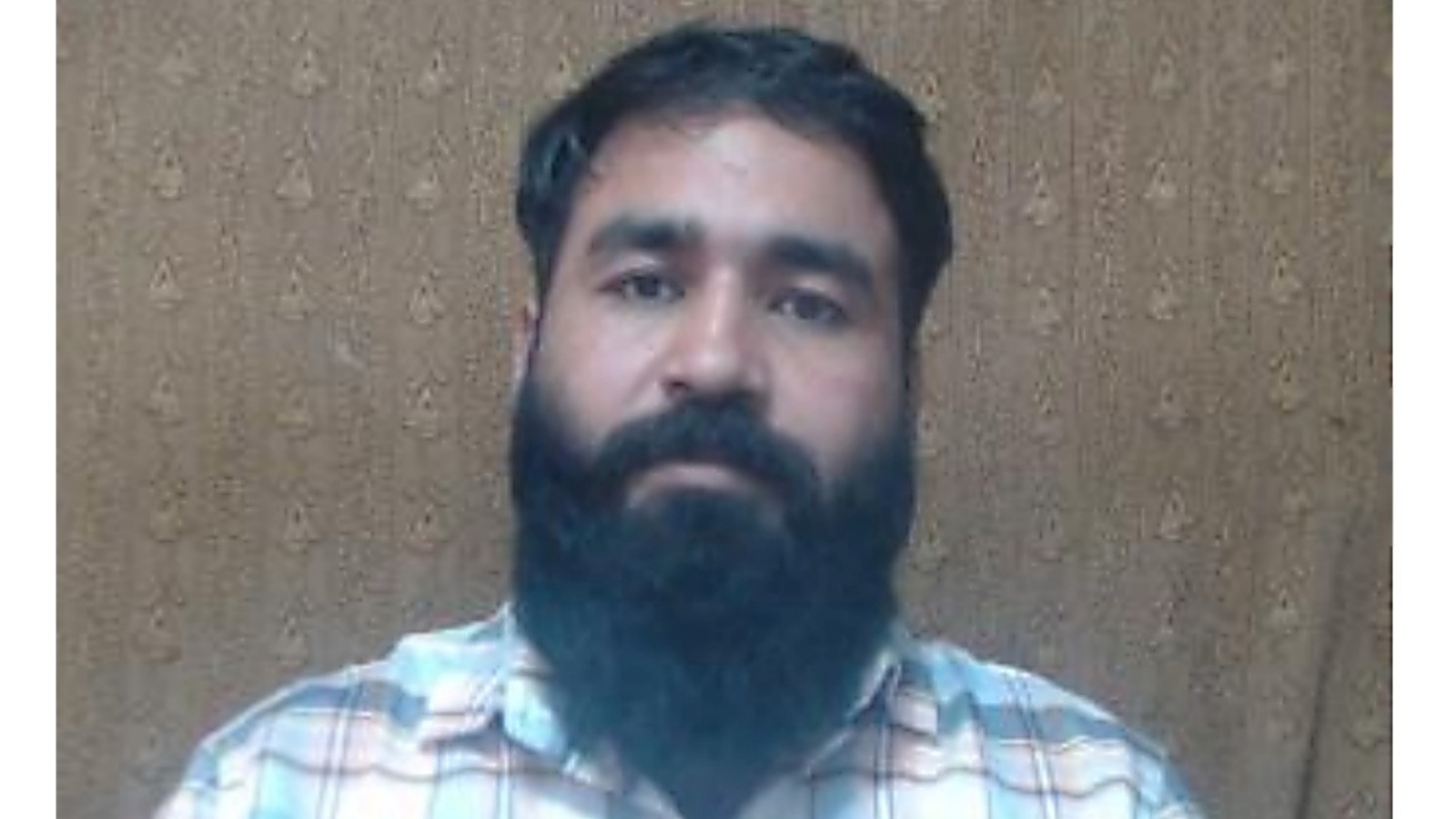
The Delhi High Court has intervened to stay a trial court's unprecedented order granting advance interim bail to a key operative of the Tillu gang, citing the order as legally unsustainable.
- Delhi High Court stayed the advance interim bail of Amit, a key operative of the Tillu gang.
- The accused is facing 15 criminal cases under MCOCA, including murder and extortion.
- The High Court termed the trial court's decision to grant bail for a future date as 'unusual'.
The Delhi High Court has stepped in to halt an unprecedented legal maneuver where a special court granted 'advance interim bail' to Amit alias Dabang, an alleged key operative of the notorious Tillu gang. Amit is currently embroiled in several high-profile cases under the stringent Maharashtra Control of Organised Crime Act (MCOCA).
Justice Girish Kathpalia stayed the August 17 direction issued by the Special Judge at Rouse Avenue District Courts, which had surprisingly granted interim relief to the accused from September 10 to October 8. The State, represented by Additional Public Prosecutor (APP) Aman Usman, challenged the order, arguing that granting bail for a future window is legally unsustainable and contrary to established judicial norms.
Why This Matters
BozokMedia analysis shows that this case highlights a critical tension between judicial leniency and the necessity of maintaining strict control over organized crime syndicates. By granting bail for a future date, the trial court inadvertently created a loophole that could be exploited by high-risk offenders. The High Court's intervention reaffirms that MCOCA's stringent nature must be upheld to prevent the destabilization of public order.
Granting 'future bail' is a legal anomaly that undermines the purpose of preventive detention in organized crime cases.
The history of the case reveals a pattern of avoidance. Amit was arrested on July 21, 2020. In June 2026, he was granted a 10-day interim bail due to his wife's pregnancy, requiring a massive security detail of 40 police personnel to prevent flight risks. Instead of surrendering, Amit repeatedly secured extensions, eventually leading to the trial court's odd decision to grant him a future window of freedom.
While the trial court, presided over by ASJ Gagandeep Singh, noted that Amit had not threatened witnesses during previous bail periods, the State presented evidence to the contrary. The prosecution revealed that Amit's brother had allegedly targeted a businessman for an extortion demand of Rs 2 crore in June, underscoring the continued activity of the syndicate.
| Feature | Trial Court Order | High Court Decision |
|---|---|---|
| Bail Timeline | Future window (Sept-Oct) | Stayed/Suspended |
| Security Level | Reduced to one officer | Viewed as insufficient risk management |
| Legal Basis | Humanitarian/Conduct-based | Legally Unsustainable |
Frequently Asked Questions
1. What is 'future interim bail'?
It is an unusual legal order where bail is granted for a specific period in the future, rather than immediately upon the application's approval.
2. How many cases is the accused facing?
Amit is currently facing trial in 15 criminal cases, including murder, attempt to murder, and extortion.