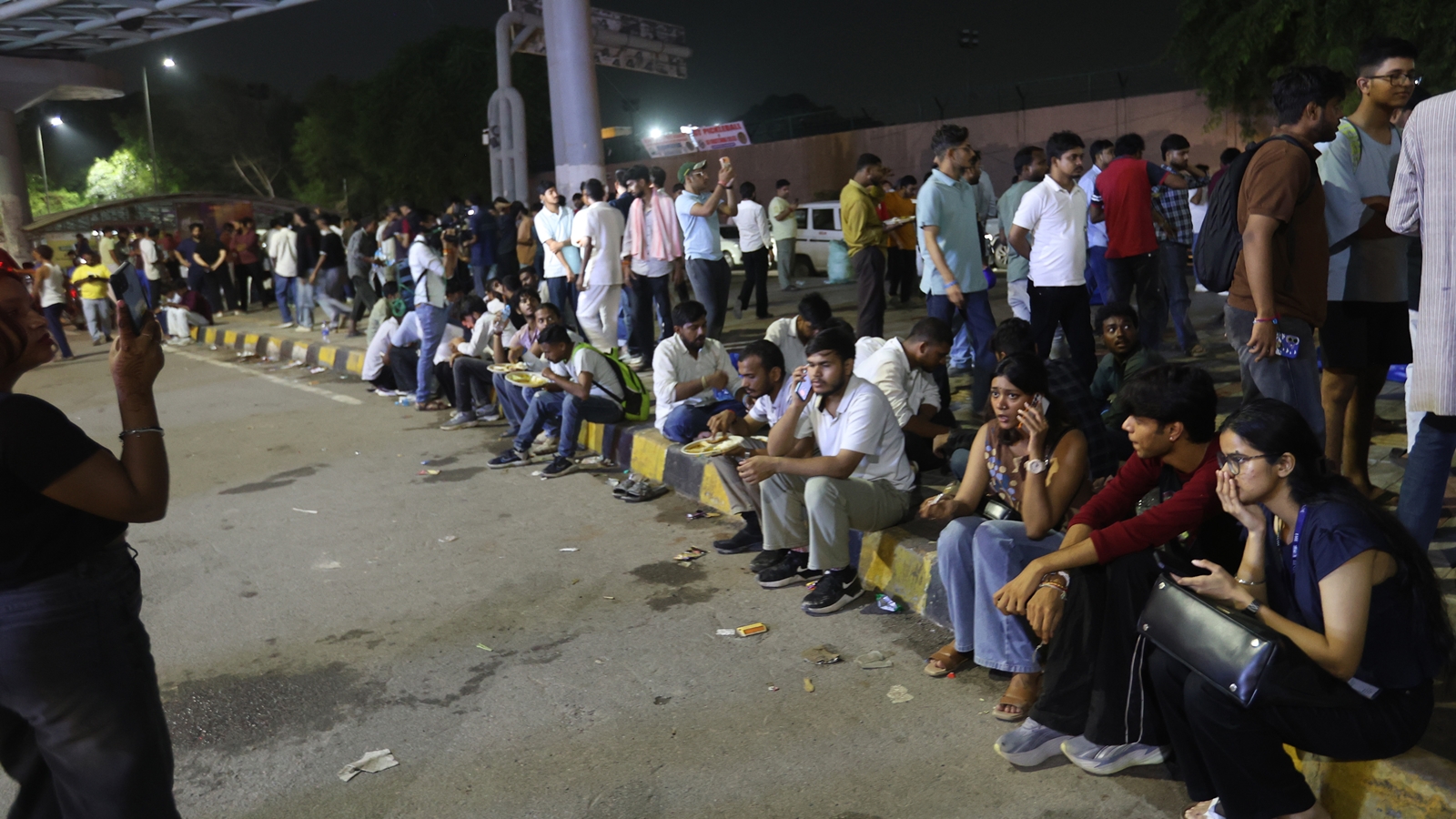
Delhi Police have launched a massive multi-layered security operation involving drone surveillance and facial recognition to thwart the Cockroach Janta Party's (CJP) planned protest on September 5.
- Delhi Police have denied permission for protests at India Gate and PHQ on September 5.
- Advanced surveillance including drones, FRS, and call-detail record (CDR) analysis will be deployed.
- Preventive actions under BNSS Sections 107, 116, and 163 are being planned against organizers.
- The protest comes just before the high-profile BRICS Summit scheduled for September 12-13.
The national capital is bracing for a security crackdown as the Delhi Police implement a comprehensive, multi-tiered strategy to prevent the Cockroach Janta Party (CJP) from holding its scheduled protest on September 5. The security apparatus includes everything from inter-state border picketing to high-tech digital monitoring, ensuring that no unauthorized gatherings take place at sensitive locations such as India Gate and the Police Headquarters (PHQ).
The CJP's decision to return to the streets stems from the Centre's alleged failure to honor assurances made after July's protests, specifically the demand for the withdrawal of FIRs against student activists. Despite the Supreme Court declining to intervene against the protest, the police have made it clear that no formal permission has been granted for the march.
Why This Matters
BozokMedia analysis shows that the timing of this protest is critical. With the BRICS Summit arriving on September 12 and 13, the Indian government is under immense pressure to maintain a sanitized and secure image of the capital. The use of the Bharatiya Nagarik Suraksha Sanhita (BNSS) for preventive detentions signals a shift toward more stringent legal frameworks to manage civil unrest in the heart of the city.
The integration of facial recognition systems (FRS) and tower dumps for a domestic protest indicates a move toward 'predictive policing' in urban centers.
To ensure total control, the police are coordinating with authorities in Uttar Pradesh, Haryana, Punjab, and Rajasthan to stop protesters from entering Delhi. Furthermore, the Special Cell will monitor call-detail records and tower dumps, while drones will provide real-time aerial feeds. App-based delivery services are expected to be suspended within a 5km radius of the protest zones to minimize congestion and potential chaos.
CJP co-convenor Saurav Das has maintained that the protests will remain peaceful, though he criticized the legal requirement for permission to protest against the state, calling the concept "absurd." He noted that the government's own outreach to him suggests they are aware of the gravity of the student grievances.
| Surveillance Tool | Purpose | Scope |
|---|---|---|
| Facial Recognition (FRS) | Identifying past participants | Jantar Mantar/India Gate |
| Drones/CCTV | Real-time crowd monitoring | City-wide sensitive zones |
| CDR/Tower Dumps | Tracking communication | Special Cell Technicals |
Frequently Asked Questions
Q1: Why is the Delhi Police deploying such heavy security for this march?
The security is heightened not only because of the CJP's history of protests but also due to the upcoming BRICS Summit, which requires maximum security in the capital.
Q2: What are the legal sections being used for preventive action?
Police are utilizing Sections 107 and 116 of the BNSS for preventive action, and Section 163 for prohibitory orders.