Cyber fraudsters in Vadodara, Gujarat, executed a sophisticated 'digital arrest' scam, duping an elderly woman and her son of over ₹1.53 crore by impersonating high-ranking officials from the CBI and RBI.
- Victims were targeted using fake identities of CBI and RBI officials.
- Total amount defrauded: ₹1,53,40,047.
- Fraudsters used fake letterheads, forged stamps, and police uniforms to deceive the family.
In a chilling instance of high-tech crime, a mother and son in Vadodara, Gujarat, fell prey to a 'digital arrest' scam, resulting in a staggering financial loss of over ₹1.53 crore. The perpetrators used a blend of psychological manipulation and forged credentials to convince the victims that they were under legal investigation.
The ordeal began on July 31, when an unknown caller contacted the elderly woman, claiming that a credit card had been issued in the name of her deceased husband in Mumbai. The caller alleged that a suspicious transaction of ₹1 lakh had been detected, triggering immediate panic in the family.
The scam escalated when the fraudsters initiated a WhatsApp video call, featuring a man dressed in a police uniform. Between August 3 and August 12, the criminals sent several forged documents, including fake letterheads from the Reserve Bank of India (RBI) and other banks, complete with counterfeit signatures and official stamps.
Why This Matters
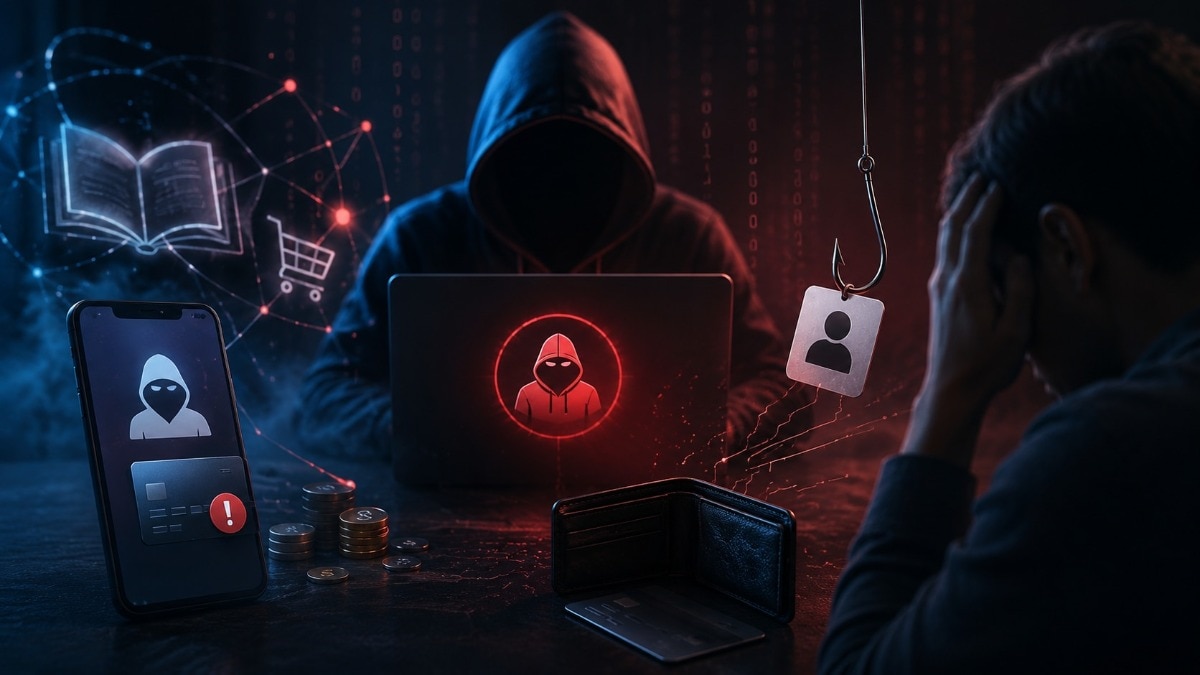
BozokMedia analysis shows that 'Digital Arrest' is becoming a sophisticated psychological weapon. Scammers no longer just steal passwords; they hijack the victim's fear of the law. By impersonating high-profile agencies like CBI and RBI, they create a state of panic where the victim loses the ability to think rationally, leading to massive financial losses.
"Digital Arrest is not a legal term; no government agency ever conducts arrests or detentions via video calls."
Under extreme pressure and fear of legal repercussions, the victims were coerced into transferring their life savings into a designated 'government account' for verification purposes. This led the family to liquidate their fixed deposits and transfer a total of ₹1,53,40,047 to the fraudsters.
The fraud came to light only after an acquaintance questioned the legitimacy of the process and alerted the family about the possibility of a cyber scam. Devastated by the loss, the family approached the Vadodara Cyber Police to lodge a formal complaint.
Frequently Asked Questions
Q1: What exactly is a 'Digital Arrest'?
It is a fraudulent tactic where scammers pose as law enforcement officers and use video calls to intimidate victims into believing they are under arrest, forcing them to pay money to 'clear' their names.
Q2: How can I report such scams?
Immediately report the incident to the national cybercrime helpline at 1930 or visit the official portal at cybercrime.gov.in.