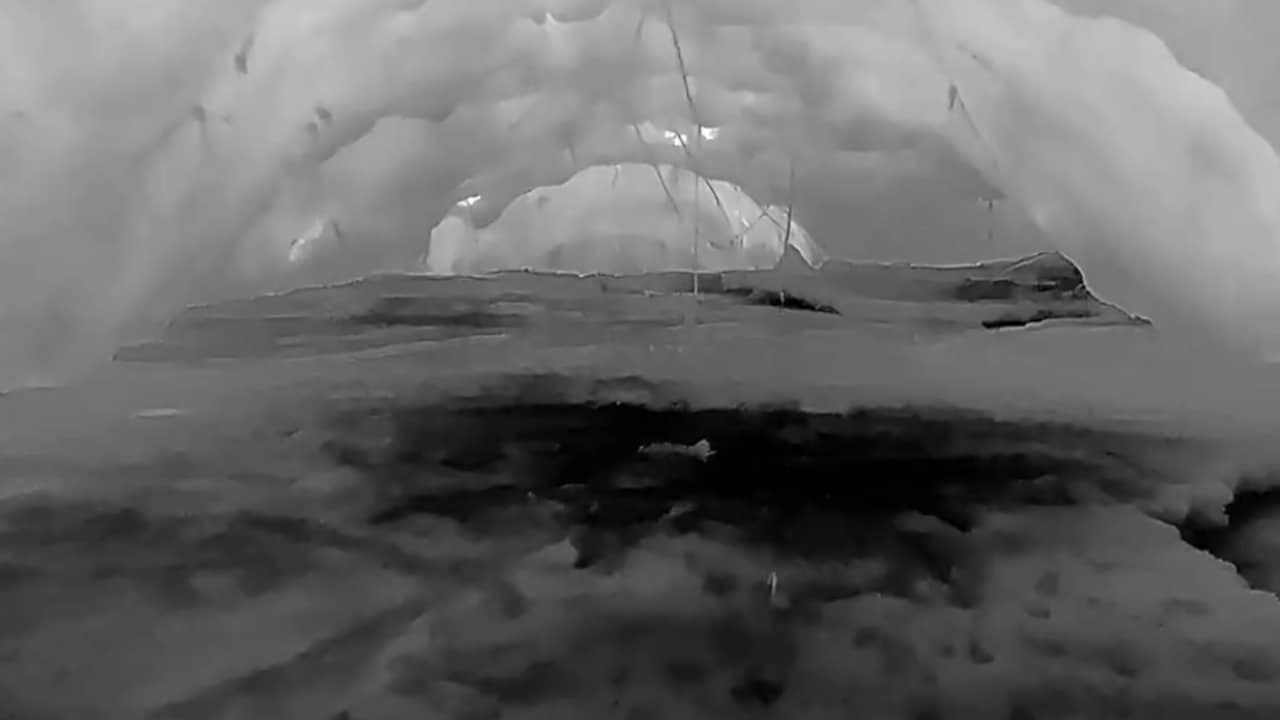
Environmentalists warn of an imminent threat from 'hanging glaciers' and emerging glacial lakes in Kedartal and Gomukh. With rising water levels in 34 critical lakes, India must learn from Nepal's flood tragedies to prevent a massive disaster.
- New glacial lakes are forming in high-risk zones like Kedartal and Gomukh.
- Over 100 large glacial lakes in India require urgent and continuous monitoring.
- Rising temperatures in the Hindu Kush Himalayas are destabilizing ice masses.
The phenomenon of 'Hanging Glaciers'—massive ice bodies perched precariously on mountain slopes—has become a focal point of alarm for climatologists. Recent observations in regions like Kedartal and Gomukh reveal the formation of small, unstable lakes. These lakes are precursors to Glacial Lake Outburst Floods (GLOFs), which occur when the natural dams holding these lakes collapse, releasing a torrent of water and debris downstream.
Current data suggests that water levels have risen significantly in 34 identified glacial lakes across India. The UN Climate Chief, following the devastating floods in Nepal, has issued a stern warning regarding the Hindu Kush Himalayan region. The acceleration of ice melt due to global warming has rendered these glaciers volatile, creating a 'ticking time bomb' scenario for the millions living in the foothills.
Why This Matters
BozokMedia analysis shows that India's approach to Himalayan disasters has historically been reactive rather than proactive. The rapid expansion of infrastructure in ecologically fragile zones has exacerbated the vulnerability of these regions. Without the immediate deployment of sophisticated Early Warning Systems (EWS) and satellite-based monitoring for the 100 largest glacial lakes, the risk of a repeat of the 2013 Kedarnath tragedy remains alarmingly high.
"The instability of Himalayan glaciers is a direct manifestation of global warming, transforming natural landmarks into potential instruments of mass destruction."
Historically, GLOFs were rare events, but the last two decades have seen a surge in frequency and intensity. The tragedy in Nepal serves as a grim case study on how a single glacial breach can wipe out entire settlements in minutes. For India, the priority must shift toward strict land-use zoning and a comprehensive disaster preparedness framework tailored for high-altitude environments.
Frequently Asked Questions
Q1: What exactly is a hanging glacier?
A: A hanging glacier is a glacier that ends abruptly at the edge of a cliff, leaving the ice suspended above a valley.
Q2: Which Indian states are most at risk?
A: High-altitude states such as Uttarakhand and Sikkim are currently the most vulnerable to glacial outbursts.