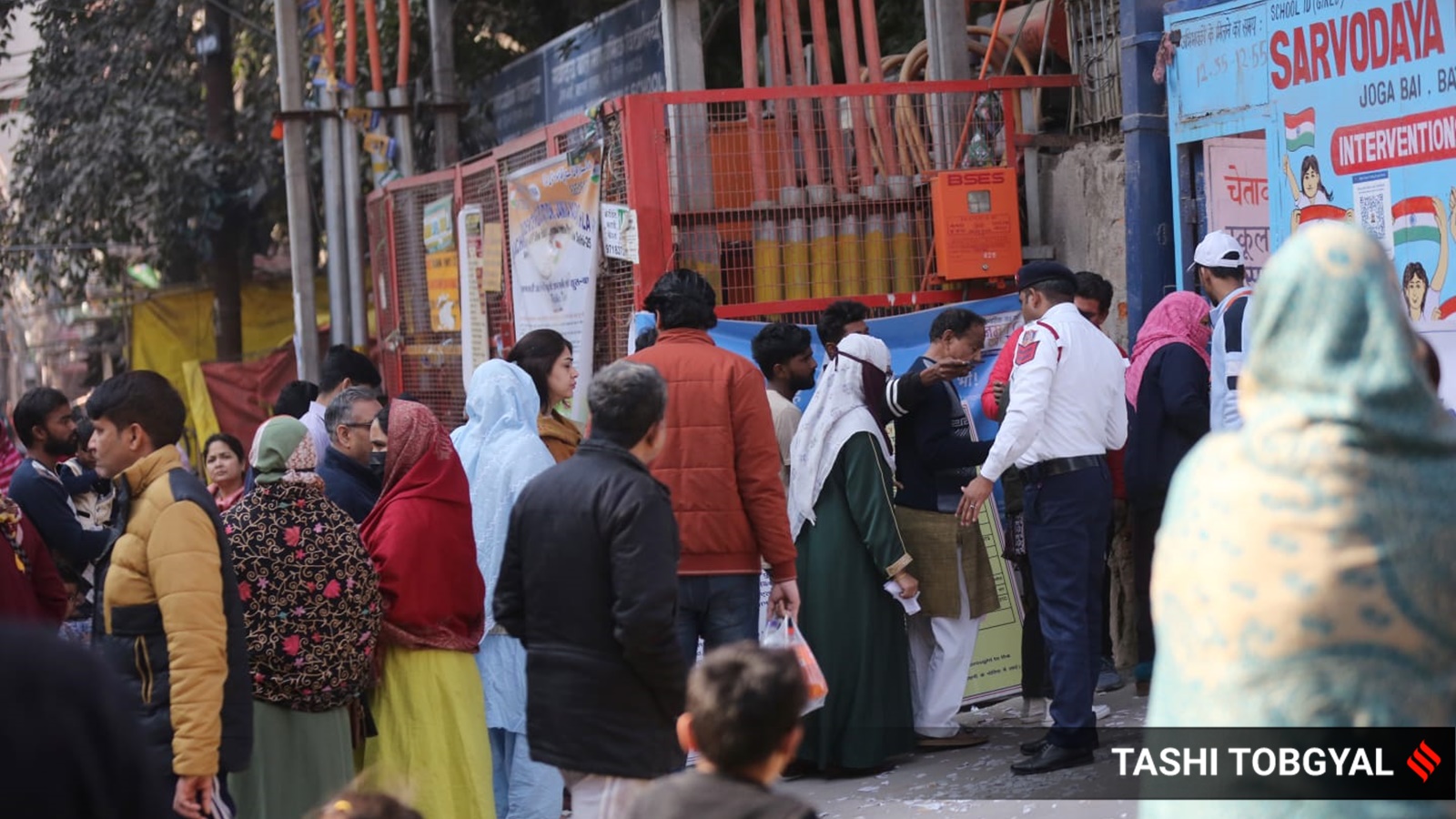
A comprehensive roundup of today's critical developments, from the massive deletion of names in Delhi's electoral rolls to India's exploration of polymer currency and the economic risks of a conflict in West Asia.
- 47.7 lakh names have been removed from Delhi's draft electoral rolls, sparking concerns over voter disenfranchisement.
- The Reserve Bank of India is evaluating polymer banknotes to enhance durability and security.
- Geopolitical tensions involving Iran and the Strait of Hormuz pose a potential threat to India's economic growth via oil price spikes.
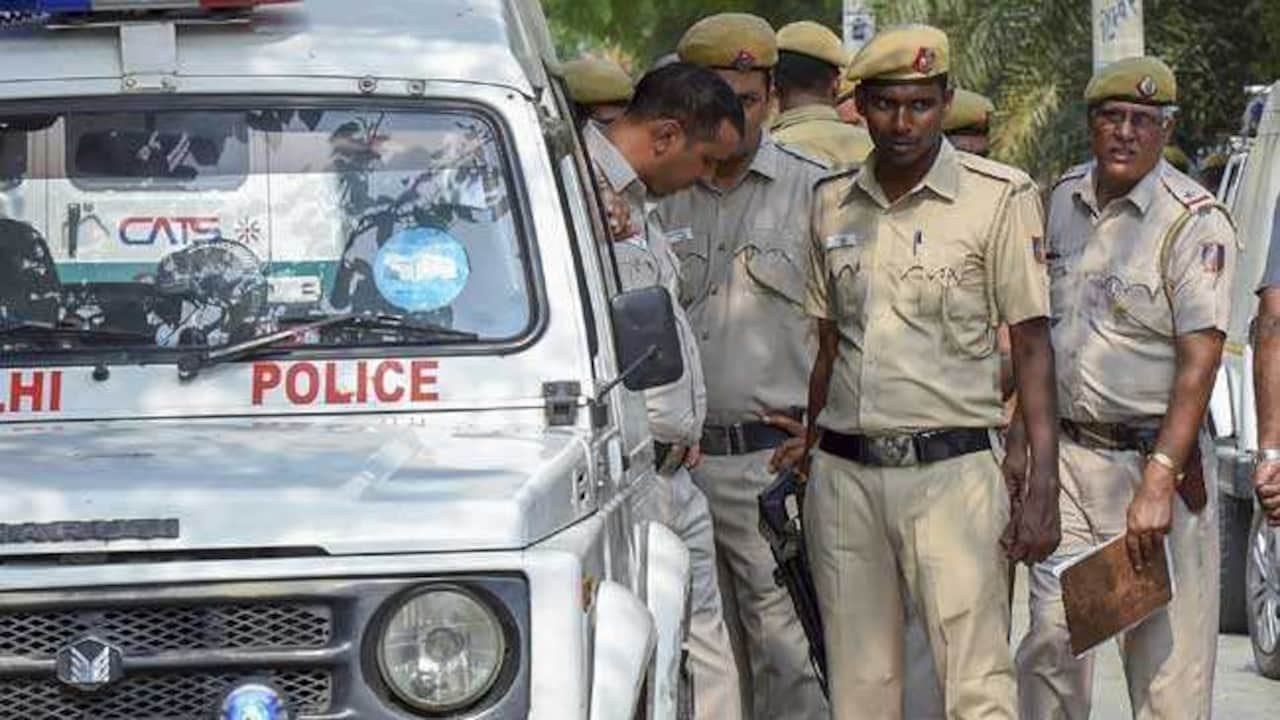
India is currently witnessing a series of significant administrative and geopolitical shifts. One of the most pressing domestic issues is the publication of Delhi's draft electoral rolls, which has revealed a staggering deletion of 47.7 lakh names. This massive revision has left millions of potential voters in a state of uncertainty, prompting urgent calls for citizens to verify their status before the correction window closes.
Parallel to this, the government is exploring a transition toward polymer currency. While plastic notes are praised for their longevity and resistance to wear and tear, the move is fraught with security debates. Experts are analyzing whether the shift will effectively curb counterfeiting or introduce new vulnerabilities in currency authentication.
Why This Matters
BozokMedia analysis shows that the intersection of electoral volatility in Delhi and Maharashtra, combined with the fragility of West Asian geopolitics, creates a high-stakes environment for India's internal stability and external economic health. The potential for a conflict in the Strait of Hormuz is not just a military concern but a direct threat to India's inflation targets due to its heavy reliance on crude oil imports.
The synchronization of electoral roll revisions across major states suggests a rigorous, albeit controversial, cleanup of democratic databases ahead of pivotal polls.
On the international front, the Indus Waters Treaty dispute between India and Pakistan has entered a new legal phase, while the devastating floods in Nepal highlight the critical need for improved Himalayan disaster management. The human cost remains high, with rescue operations continuing for those buried under debris.
In the corporate and infrastructure sector, Indian Railways is pivoting toward a hybrid annuity model to attract private investment for freight lines, aiming to decongest the network. Meanwhile, in Mumbai, Metro Line 5 is undergoing yet another route realignment, reflecting the complexities of urban planning in India's financial capital.
| Topic | Current Status | Primary Concern |
|---|---|---|
| Delhi Voter Rolls | Draft Published | Massive Deletions (47.7L) |
| Currency Shift | Exploring Polymer | Security & Authentication |
| West Asia Conflict | Escalating Tensions | Oil Prices & GDP Growth |
Frequently Asked Questions
Q1: How can Delhi residents check if their name is on the voter list?
Residents should visit the official Election Commission portal or the draft roll publication centers to verify their details and file objections if missing.
Q2: Why is the Strait of Hormuz critical for India?
It is the world's most important oil transit chokepoint; any closure or conflict there would lead to a surge in global oil prices, directly impacting India's economy.