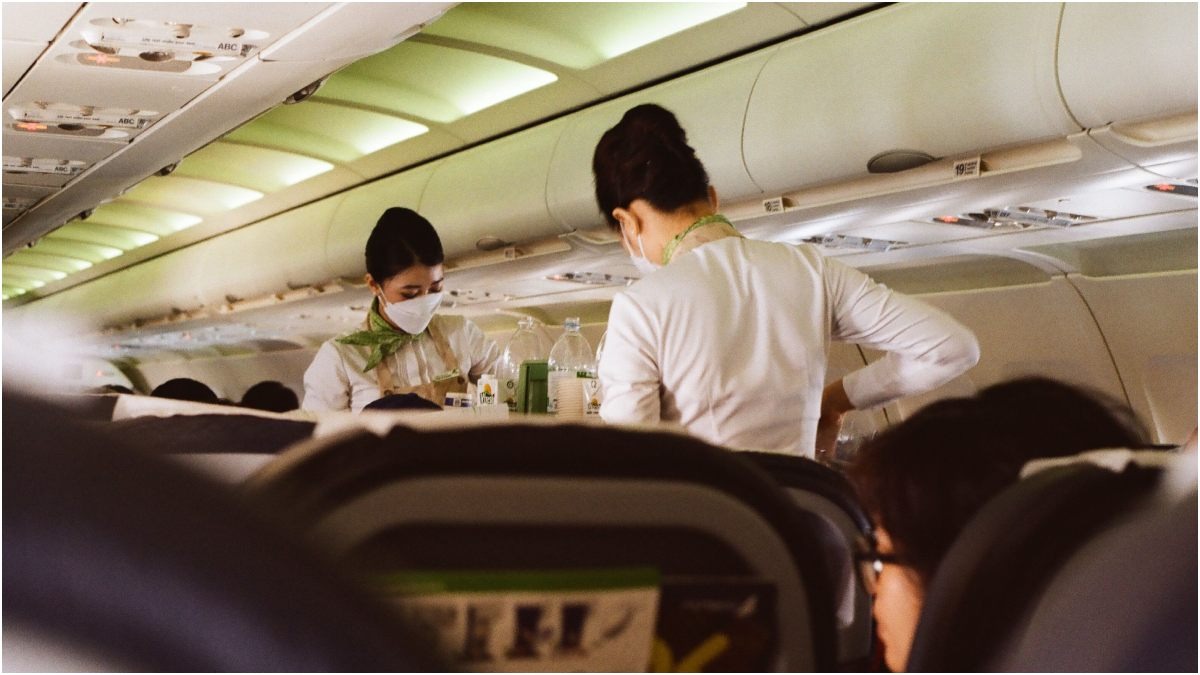
Ever wondered where cabin crew vanish during 15-hour flights? Discover the hidden Crew Rest Compartments (CRC) that allow flight attendants to recharge away from passengers.
- CRC stands for Crew Rest Compartment, a hidden area designed for crew sleep during long-haul flights.
- These zones are typically located above the passenger cabin or in the lower deck, depending on the aircraft model.
- Only long-haul wide-body aircraft like the Boeing 787 and Airbus A350 are equipped with these facilities.
For most passengers, the cabin crew appears to be omnipresent, gliding through the aisles with carts and smiles for the duration of the flight. However, on ultra-long-haul journeys—those spanning 12 to 15 hours or more—it is physically impossible for a single set of crew members to maintain peak alertness. This is where the Crew Rest Compartment (CRC) comes into play, a clandestine sanctuary hidden from the public eye.
The CRC is a specialized area engineered specifically for the well-being of the flight crew. Unlike the passenger cabin, these areas are strictly off-limits to travelers. In most wide-body aircraft, these compartments are strategically tucked away in the crown of the aircraft (above the ceiling of the main cabin) or integrated into the lower deck. The design ensures that the transition between the working cabin and the rest area is seamless and invisible to the passengers.
Why This Matters
BozokMedia analysis shows that aviation safety is directly linked to crew fatigue management. A tired flight attendant is more prone to errors during emergency evacuations or medical crises. By providing a dedicated, sound-proofed environment for sleep, airlines ensure that the crew rotating back into the cabin is mentally sharp and physically capable of handling passenger needs and safety protocols.
Entering a CRC often involves climbing a small, discreet ladder or navigating a narrow corridor. Once inside, the space is far from luxurious but highly functional. It is divided into small bunk compartments. Each bunk is essentially a cozy pod equipped with a mattress, a reading light, ventilation, and individual air conditioning to ensure a restful environment despite the roar of the engines.
"Crew fatigue is one of the most critical risk factors in aviation; the CRC is not a luxury, but a mandatory safety requirement for long-haul operations."
Not every plane has a CRC. You will typically find these in 'wide-body' aircraft designed for international travel. For instance, the Boeing 777, Boeing 787 Dreamliner, and Airbus A350 are gold standards for these facilities. In smaller, narrow-body planes used for domestic flights, crew members simply rotate their breaks in the galley or stay awake for the duration of the shorter trip.
| Feature | Passenger Cabin | Crew Rest Compartment (CRC) |
|---|---|---|
| Accessibility | Open to Ticket Holders | Crew Only (Restricted) |
| Purpose | Transport & Service | Recovery & Sleep |
| Layout | Rows of Seats | Vertical Sleeping Bunks |
| Visibility | Main Deck | Hidden (Crown or Lower Deck) |
Frequently Asked Questions
1. Can passengers enter the CRC if they pay extra?
No, the CRC is a restricted safety zone and is strictly prohibited for passengers under international aviation laws.
2. Do pilots also use these compartments?
Yes, pilots have their own separate crew rest areas, often located near the cockpit, to ensure they are rested for the critical landing phase.