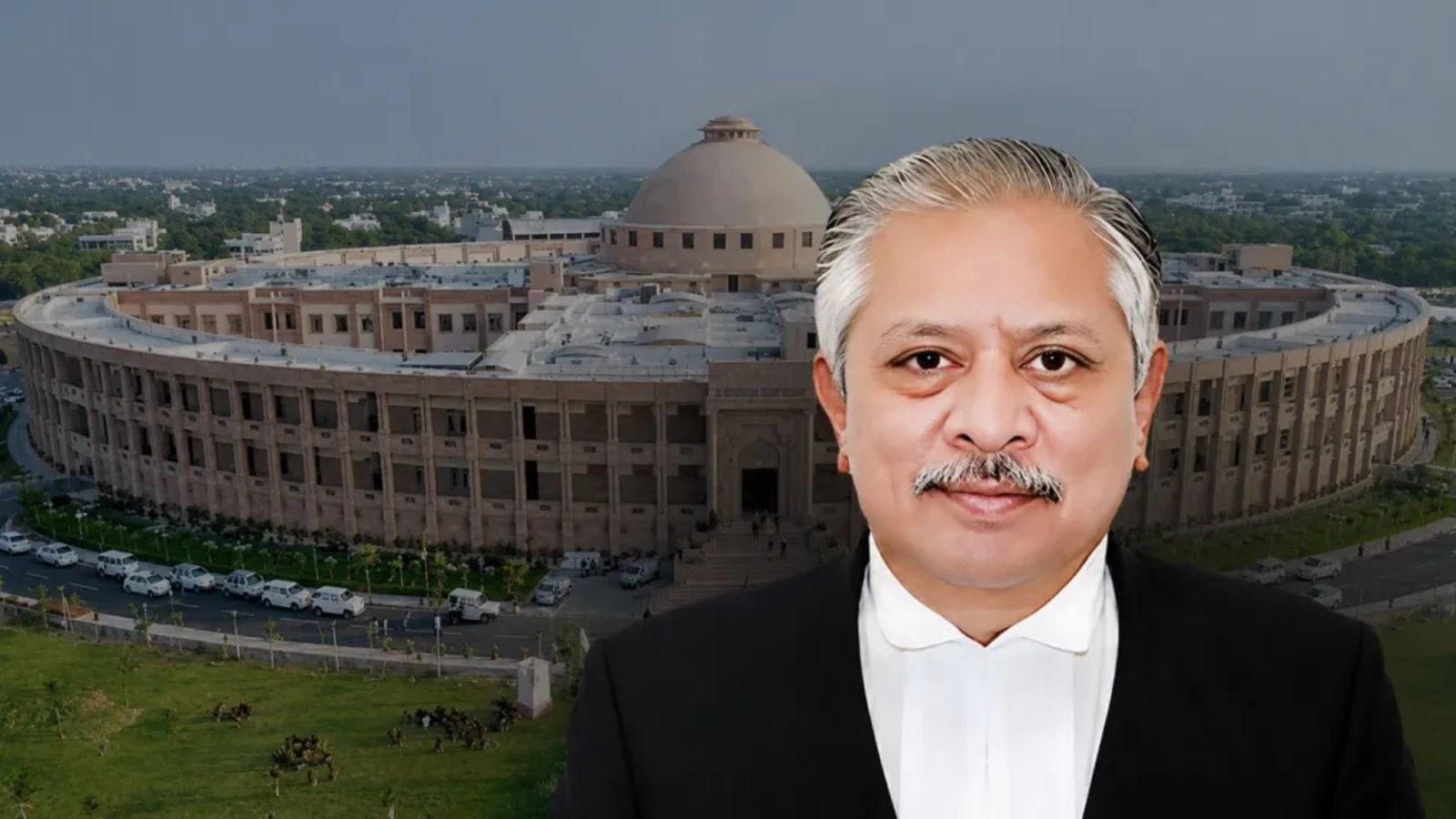
Greater Bengaluru Development Minister Krishna Byre Gowda launched a dawn inspection of solid waste systems to enforce strict segregation and efficiency. The Minister issued stern directives to officials to optimize door-to-door collection and penalize negligent property owners.
- Minister Krishna Byre Gowda conducted a 5:30 AM surprise audit of waste management in Bengaluru North.
- Strict orders issued for door-to-door collection of segregated wet and dry waste.
- Sanitation workers instructed to collect waste from gates to avoid delays and resident friction.
- Notices to be issued to owners of vacant sites used as illegal dumping grounds.
In a decisive move to tackle the mounting challenges of urban sanitation, the Greater Bengaluru Development Minister Krishna Byre Gowda carried out an extensive surprise inspection of the solid waste management system on Monday. Accompanied by BNCC Commissioner Pommala Sunil Kumar, the Minister began his audit at 5:30 a.m., targeting the jurisdiction of the Bengaluru North City Corporation (BNCC) to witness the ground reality of waste collection before the city fully awoke.
The inspection focused heavily on the Mallasandra and Jalahalli wards. At the Mallasandra Auto Mustering Point in the Dasarahalli division, the Minister meticulously verified the attendance of drivers and helpers, while also auditing the scanning systems and the mechanical functioning of the waste collection autos. He ensured that sanitation workers were equipped with proper uniforms and protective gloves, emphasizing that worker safety is paramount to operational efficiency.
Why This Matters
BozokMedia analysis shows that Bengaluru's waste management has long struggled with the 'last-mile' collection gap and poor source segregation. By shifting the burden of waiting from the sanitation worker to a designated gate-drop system, the government is attempting to increase the speed of collection cycles. This systemic shift is crucial for a city experiencing rapid urbanization and increasing waste volumes.
During his interaction with the pourakarmikas (sanitation workers), Mr. Gowda listened to their grievances, acknowledging the physical and social challenges they face. He further instructed that if residents are unavailable during collection hours, they should leave segregated waste at designated spots or elevated railings to prevent stray animals from scattering the trash across the streets.
"The transition from a 'wait-and-collect' model to a 'designated-drop' model is the only way to optimize waste logistics in high-density urban corridors."
The Minister did not spare those neglecting private properties. Upon discovering several vacant sites that had become unofficial dumping grounds, he directed officials to issue immediate legal notices to the owners, demanding the restoration of cleanliness under threat of penalty.
Historical Background: Bengaluru has faced chronic waste management crises over the last decade, ranging from landfill fires to the failure of decentralized composting units. The current administration's focus on 'source segregation' is part of a broader strategy to reduce the load on the city's overflowing landfills and move toward a circular economy.
Frequently Asked Questions
Q1: What is the new instruction for residents regarding waste collection?
Residents who are away during collection hours are advised to keep segregated waste at designated gate locations or elevated railings to prevent animal interference.
Q2: What action is being taken against vacant plots used for dumping?
The BNCC officials have been ordered to issue formal notices to the owners of such vacant sites to ensure they are cleaned immediately.