The Madhya Pradesh government has notified the Supreme Court that a decision regarding the sanction to prosecute a minister for derogatory remarks against Colonel Sofiya Qureshi will be taken soon.
- The MP government is yet to grant sanction for the prosecution of a minister over remarks against a woman Army officer.
- The Supreme Court has explicitly rejected the minister's apology regarding the 'sister of terrorists' comment.
- The legal battle centers around the balance between political immunity and the dignity of military personnel.
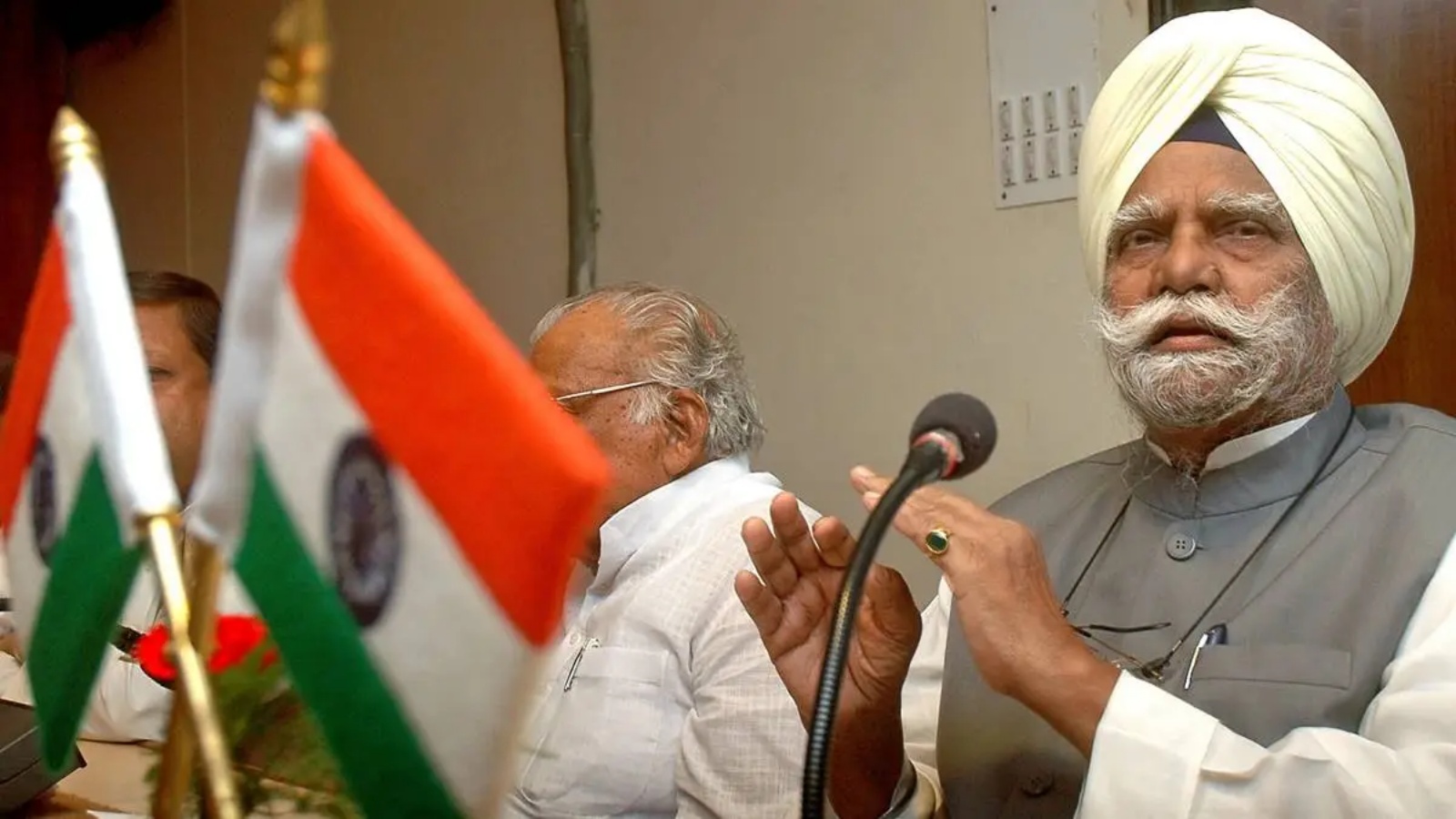
In a significant legal development, the Madhya Pradesh government has informed the Supreme Court that it is in the process of deciding whether to grant sanction to prosecute a cabinet minister. The minister is accused of making highly offensive and derogatory remarks against Colonel Sofiya Qureshi, a woman officer of the Indian Army.
The controversy escalated when the minister allegedly referred to the Colonel as the 'sister of terrorists.' This statement sparked widespread outrage across the country, highlighting the vulnerability of military officers to political rhetoric. The timeline of events is closely linked to 'Op Sindoor,' which was initiated on May 7, 2025.
Why This Matters
BozokMedia analysis shows that this case sets a critical precedent for the accountability of public officials. The refusal of the Supreme Court to accept a formal apology indicates that the judiciary is taking a stringent view of hate speech and the targeted harassment of defense personnel, regardless of the perpetrator's political standing.
"The intersection of political privilege and judicial scrutiny in this case will determine how the law protects the dignity of the armed forces against political vitriol."
Adding another layer of complexity, reports suggest that the Madhya Pradesh Governor has backed the move to deny probe sanction against the minister. This creates a constitutional tug-of-war between the state executive's discretion and the judiciary's demand for accountability.
Historically, the 'Sanction' process has often been used as a shield to protect political allies from criminal prosecution. However, the persistent intervention of the Supreme Court in this matter suggests that the shield of immunity is thinning when it comes to blatant insults against national security institutions.
Frequently Asked Questions
1. Why did the Supreme Court reject the minister's apology?
The Court found the apology insufficient given the gravity of the remarks made against a serving Army officer.
2. What is 'Op Sindoor' in this context?
Op Sindoor is the specific operation initiated on May 7, 2025, which serves as the background context for the remarks made by the minister.