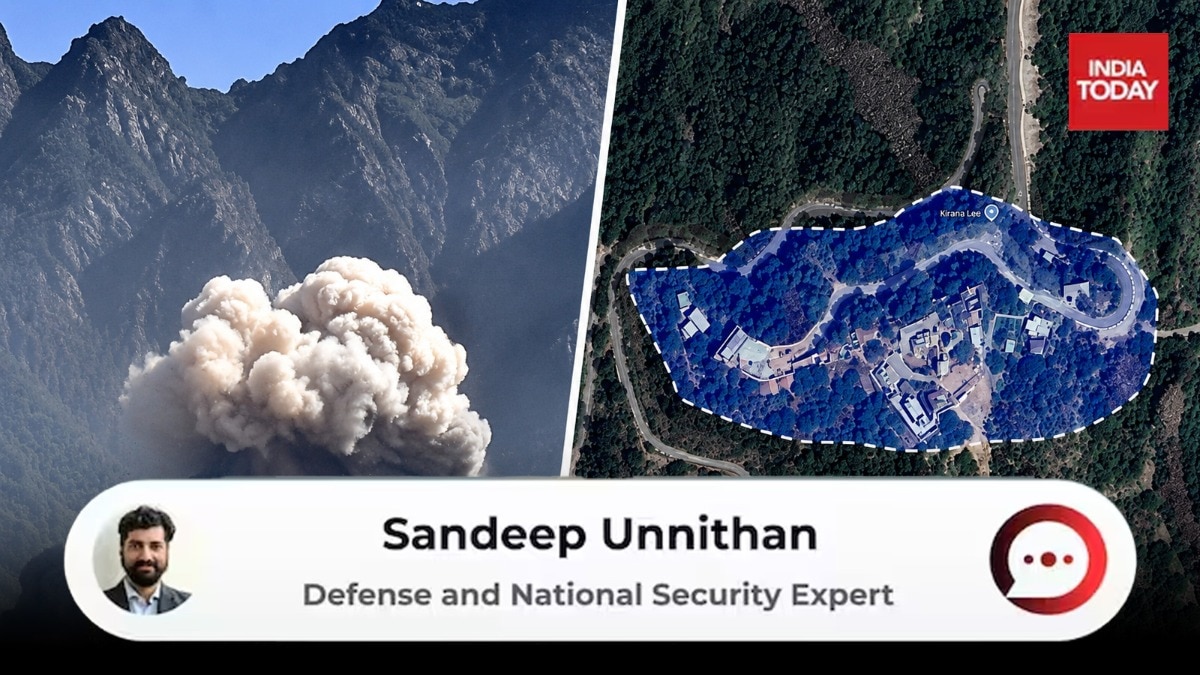
Devastating flash floods and debris avalanches in Nepal have left nearly 1,000 hydropower workers trapped. The disaster has exposed critical failures in transboundary data sharing between Nepal and China.
- Approximately 933 workers are trapped within hydropower project sites.
- Rescue teams are rappelling into tunnels to locate survivors.
- Severe gaps in flood data sharing between Nepal and China have been exposed.
- USGS identifies the event as a massive debris avalanche.
Nepal is currently grappling with a catastrophic environmental disaster. Massive flash floods and debris avalanches have ripped through the mountainous terrain, leaving a trail of destruction. The most critical situation is unfolding at various hydropower project sites, where at least 933 workers are reported trapped, sparking a desperate race against time by rescue teams.
The scale of the tragedy is highlighted by harrowing survivor testimonies. A 24-year-old man recounted the horror of watching entire houses vanish in seconds, stating, "Had there been no mango tree, I would have been dead." Such accounts underscore the sheer velocity and unpredictability of the torrents that swept through the region.
Why This Matters
BozokMedia analysis shows that this disaster exposes a systemic failure in regional diplomacy and disaster preparedness. The lack of real-time data sharing regarding water levels and dam releases from China has left Nepal vulnerable. Without an integrated early warning system, downstream communities and industrial workers are left without the critical minutes needed to evacuate.
"The rapid expansion of hydropower in the fragile Himalayas without stringent environmental safeguards is a recipe for disaster."
According to the U.S. Geological Survey (USGS), the event was characterized as a debris avalanche. Unlike standard flooding, these events carry massive amounts of sediment and boulders, making rescue operations exponentially more dangerous and complex as rescuers must rappel into unstable tunnels.
Frequently Asked Questions
Q1: How many workers are currently trapped in the hydropower projects?
A: At least 933 workers are reported trapped as rescue operations continue.
Q2: Why is the data sharing with China being criticized?
A: Critics argue that the lack of timely information on upstream water levels prevented effective early warnings for those in the flood path.