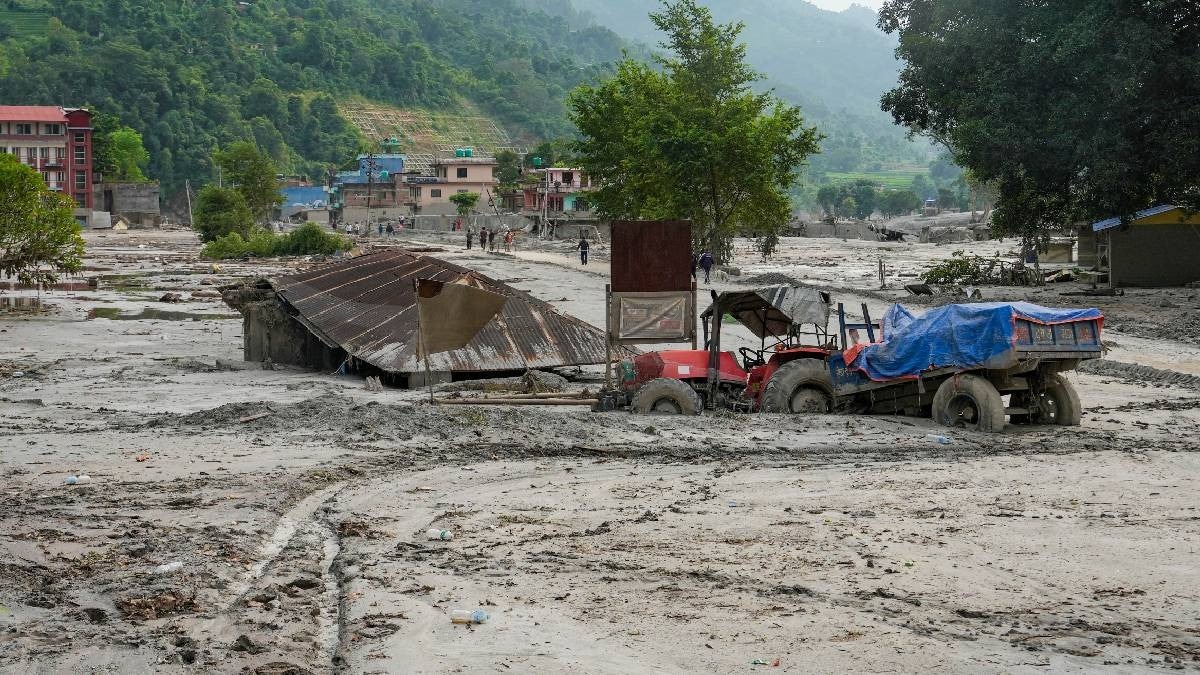
A catastrophic flash flood and mudslide in Nepal have claimed 903 lives, leaving over 2,500 missing. Joint rescue teams from India, China, and Nepal are fighting time to save workers trapped in deep hydropower tunnels.
- Death toll has surged to 903 with over 2,500 people still missing.
- Flash floods were triggered by a massive rock-and-ice avalanche.
- India, China, and Nepal have deployed joint rescue operations.
- Bhote Koshi River basin suffered the most severe devastation.
The scale of devastation in Nepal has reached critical proportions as the official death toll from recent flash floods and mudslides climbed to 903. According to the national disaster authority, the crisis is compounded by the fact that more than 2,500 individuals remain unaccounted for, sparking a desperate search operation across the mountainous terrain.
The epicenter of the tragedy was the Bhote Koshi River, a vital upper tributary of the Trishuli. A sudden, massive rock-and-ice avalanche triggered a wall of water and debris that tore through riverside settlements and critical infrastructure. The force of the flood was so immense that it buried entire hydropower project sites under meters of sludge and rock.
Why This Matters
BozokMedia analysis shows that the concentration of hydropower projects in the fragile Himalayan belt creates a high-risk environment. When these sites are hit by GLOFs (Glacial Lake Outburst Floods) or avalanches, the enclosed nature of the tunnels transforms them into death traps. This incident serves as a stark warning to policymakers regarding the environmental impact assessments of large-scale infrastructure in ecologically sensitive zones.
"The convergence of seismic instability and erratic weather patterns in the Himalayas makes every hydropower tunnel a potential risk zone without stringent safety redundancies."
In a rare show of regional cooperation, rescue teams from India and China have joined forces with the Nepali Army. The urgency of the mission has reached the highest levels of government, with Chinese President Xi Jinping ordering an intensification of efforts to locate survivors, emphasizing the need for rapid deployment of specialized equipment.
The rescue operation is currently focused on the hydropower tunnels, where hundreds of workers are feared trapped. Engineers are utilizing advanced sonar and thermal scanning technology to penetrate the debris, though the unstable terrain continues to pose a significant threat to the rescuers themselves.
Frequently Asked Questions
Q1: What caused the flash floods in Nepal?
A: The floods were triggered by a massive rock-and-ice avalanche in the upper reaches of the Bhote Koshi River, which displaced vast amounts of water and debris.
Q2: Which international agencies are assisting Nepal?
A: Specialized rescue and search-and-rescue (SAR) teams from India and China are working alongside Nepali authorities.


