The devastating impact of the Nepal floods has crossed borders into India. Four more bodies were recovered from the Gandak River in Kushinagar, bringing the total to 13 in just four days.
- Four additional bodies, including two women and two men, were found in the Gandak River.
- A total of 13 bodies have been recovered from the river in the last four days.
- The victims are suspected to be casualties of the massive floods in Nepal.
- Rescue operations are ongoing by the SDRF in the Kushinagar district.
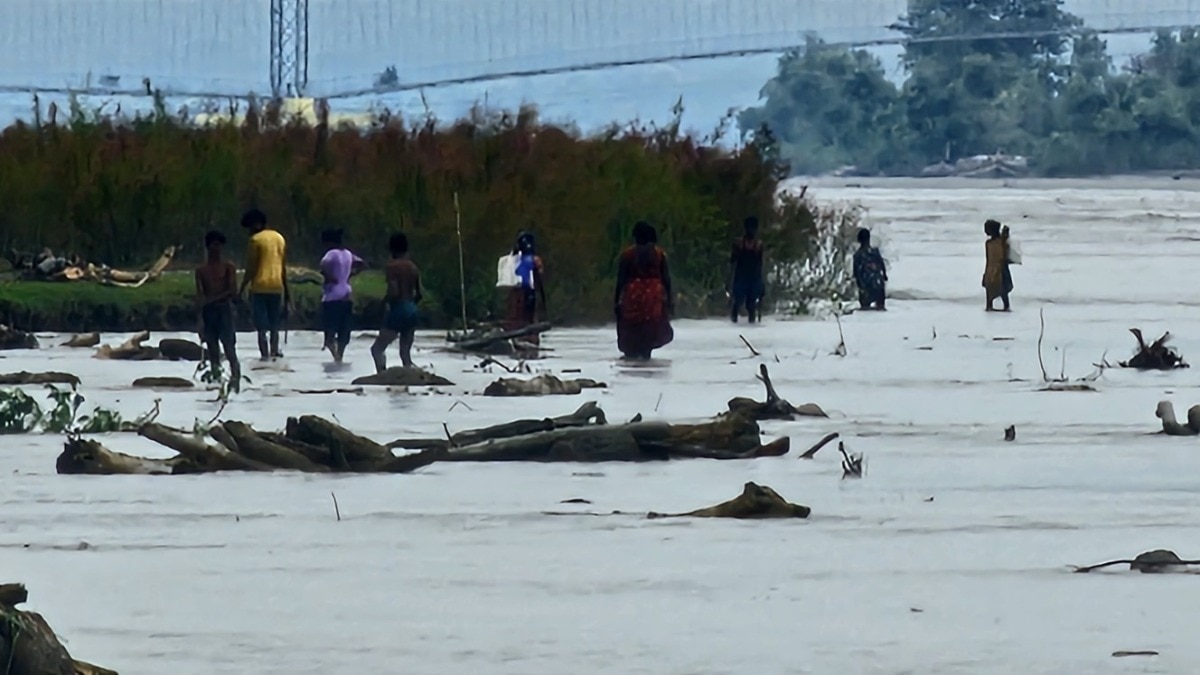
The catastrophic aftermath of the floods in Nepal has begun to manifest on the Indian side of the border. In Kushinagar, Uttar Pradesh, the recovery of four more bodies from the Gandak River on Sunday has sent shockwaves through the local administration. The recovered individuals include two women and two men, whose identities remain unknown.
The SDRF (State Disaster Response Force) team was conducting surveillance near the Bhediyari Thokar Number-3 area of the Chhitouni Dam when they spotted the bodies floating in the turbulent waters. The team immediately moved into the river to retrieve them. This discovery marks a grim milestone, as 13 bodies have been pulled from the river in the span of just four days.
Why This Matters
BozokMedia analysis shows that this escalating number of recovered bodies highlights the sheer scale of the disaster occurring in Nepal. The high velocity of the floodwaters, triggered by glacial outbursts, is transporting debris and human remains across international borders, turning a regional disaster into a complex transboundary humanitarian issue.
The surge of bodies in the Gandak River is a chilling testament to the unprecedented scale of the glacial melt disaster in the Himalayas.
According to Sandeep Kumar Singh, a police officer from the Khadda police station, the bodies have been sent to the mortuary following necessary formalities. Due to capacity constraints at the Kushinagar mortuary, some remains have been shifted to Gorakhpur. Authorities are currently working with officials in neighboring districts of Nepal to cross-reference these victims with missing persons reports.
Historical Context: The Nepal Disaster
The current crisis was triggered on August 26 following a massive glacier burst near the Tibetan border. The resulting surge of ice, rocks, and debris swept through various villages, destroying critical infrastructure and several hydropower stations. The floodwaters, moving through the Bhote Koshi river path, have wreaked havoc across northern and central Nepal.
As of Sunday, the death toll in Nepal has climbed to 788, with over 2,500 people still reported missing. The Ministry of External Affairs (MEA) has noted that more than 275 Indian citizens and 128 people of Indian origin remain untraceable in the flood-hit regions.
Frequently Asked Questions
Question 1: How many bodies have been found in Kushinagar so far?
Answer: A total of 13 bodies have been recovered from the Gandak River over the last four days.
Question 2: Who is assisting in the identification process?
Answer: Local police are coordinating with officials in Nepal to identify the victims.