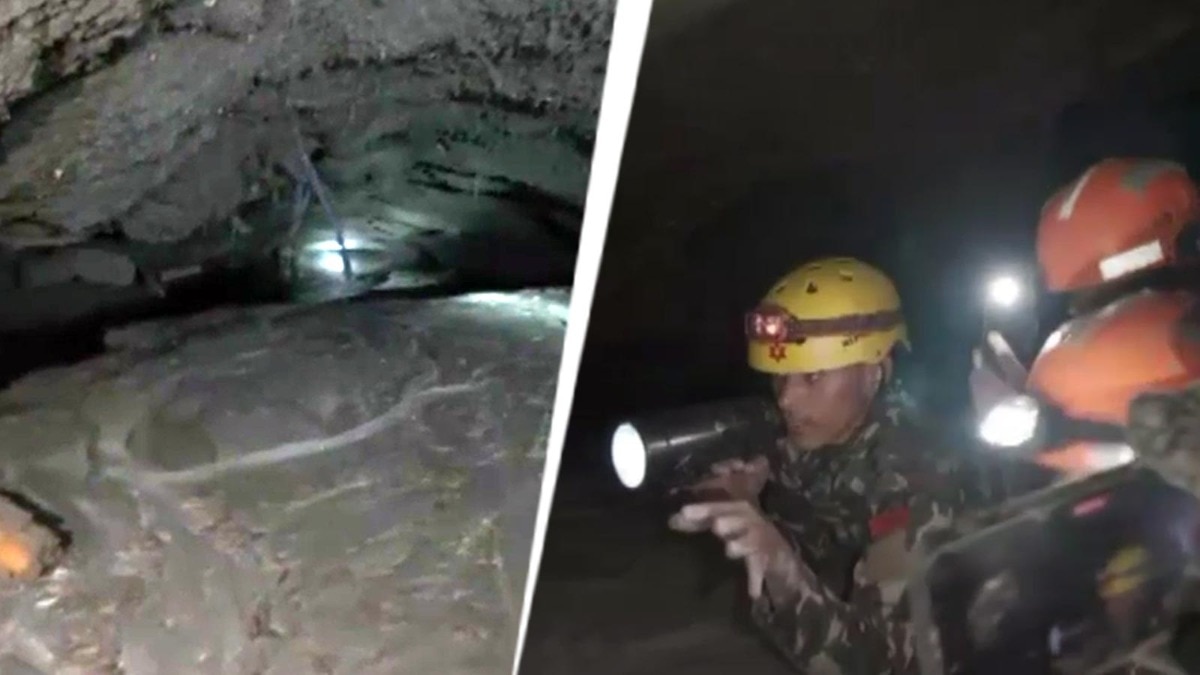
A catastrophic flood in Nepal has trapped 93 workers inside a construction tunnel. Despite the deployment of advanced thermal drones, search efforts have so far failed to locate any survivors.
- 93 construction workers are currently trapped in a flooded tunnel in Nepal.
- Thermal imaging drones were deployed to detect heat signatures but found nothing.
- Heavy rainfall continues to hamper ground-level rescue operations.
Devastating floods triggered by relentless monsoon rains in Nepal have led to a critical emergency at a tunnel construction site. 93 workers are reported to be trapped as the tunnel was swiftly inundated by surging floodwaters, leaving the laborers with virtually no window for evacuation.
In a desperate bid to locate survivors, rescue teams deployed state-of-the-art thermal imaging drones. These drones are designed to penetrate debris and water to detect the heat signatures of living beings. However, after extensive sweeps of the area, the drones have failed to produce any positive results, casting a dark shadow over the survival prospects of the trapped workers.
Why This Matters
BozokMedia analysis shows that this incident highlights the critical failure of safety protocols in Nepal's rapidly expanding infrastructure projects. The lack of early warning systems in tunnel construction zones often turns natural disasters into avoidable tragedies.
"The absence of thermal signatures in such a large-scale entrapment suggests either a complete blockage of the tunnel or a catastrophic loss of life due to rapid flooding."
Historically, Nepal's mountainous terrain makes it highly susceptible to landslides and flash floods during the monsoon season. The combination of fragile geology and aggressive infrastructure development has increased the vulnerability of workers in the field. Authorities are now attempting to bring in heavy machinery to clear the debris, though ongoing rain remains a significant obstacle.
This tragedy has reignited a fierce debate over labor laws and safety mandates at high-risk construction sites in Nepal. Experts argue that projects of this magnitude must incorporate real-time environmental monitoring and redundant emergency exit routes to prevent such mass entrapments.
Frequently Asked Questions
Q1: Why were thermal drones used in this operation?
Thermal drones were used to scan for body heat (infrared radiation) that could indicate the presence of survivors trapped beneath water or rubble.
Q2: How many people are missing?
A total of 93 workers are currently trapped and missing within the tunnel.