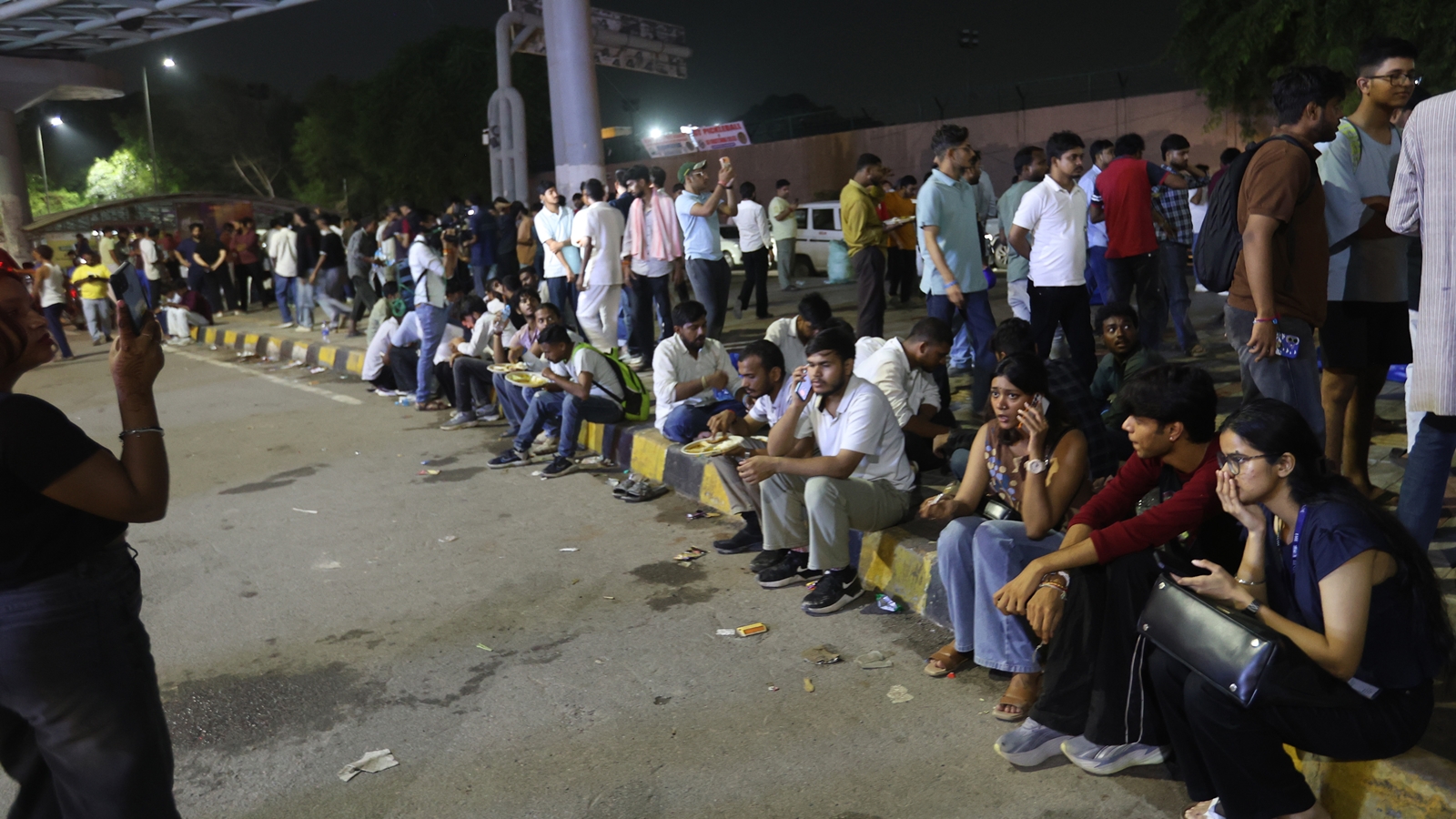
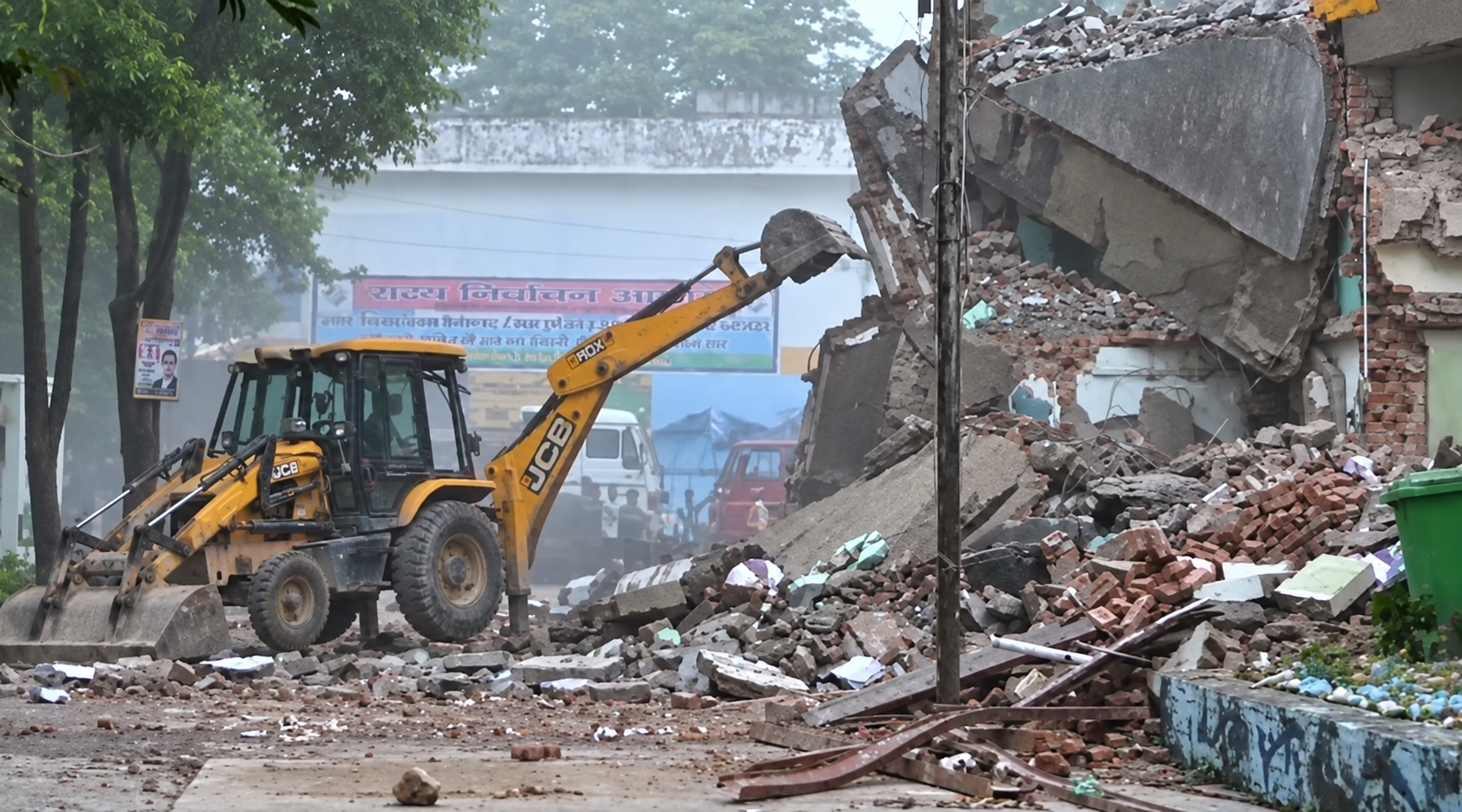
Nepal faces a dire humanitarian crisis as rescue efforts for over 900 trapped workers and flood victims are hampered by a critical lack of essential equipment. From power generators to forensic supplies, the scale of the tragedy is overwhelming local resources.
- Over 900 people remain trapped or missing in tunnel collapses and flood-hit regions.
- Severe shortages of generators, heavy machinery, and body bags are delaying recovery.
- Initial theories regarding glacial lake outbursts are being questioned by experts.
The mountainous terrain of Nepal has once again become a site of immense tragedy. Current rescue operations are focused on a catastrophic tunnel collapse where approximately 93 workers are missing, and hundreds more remain trapped. Despite the deployment of advanced drones and international search teams, the debris remains impenetrable, leaving families in a state of agonizing uncertainty.
The logistics of the rescue mission have revealed a systemic failure in disaster preparedness. Emergency responders report a critical shortage of high-capacity power generators required to operate drilling machinery and lighting in the depths of the tunnels. Furthermore, as the death toll rises, the lack of basic forensic supplies, including body bags, has created a secondary crisis in managing the deceased with dignity.
Why This Matters
BozokMedia analysis shows that this crisis is not merely a natural disaster but a failure of infrastructure oversight. The reliance on outdated equipment in high-risk zones suggests a gap between rapid development goals and safety protocols. The inability of drones to penetrate the rubble indicates that the structural failure was more comprehensive than initially reported.
"The intersection of geological instability and inadequate emergency stockpiles transforms a manageable accident into a national catastrophe."
Beyond the tunnels, the Bhote Koshi region continues to struggle in the aftermath of devastating floods. While the physical infrastructure is shattered, the local population has turned toward spiritual resilience, with faith in Lord Shiva providing the psychological strength to endure the loss of homes and livelihoods.
There is also a growing scientific debate regarding the cause of the recent disasters. While the prevailing theory pointed toward a Glacial Lake Outburst Flood (GLOF), emerging data suggests that the triggers may have been more complex, involving localized seismic shifts that were previously undetected by regional monitors.
Comparison of Resource Needs
| Resource | Current Status | Critical Requirement |
|---|---|---|
| Power Supply | Insufficient/Intermittent | Industrial Grade Generators |
| Search Tech | Drones (Limited) | Thermal Imaging & Seismic Sensors |
| Forensics | Severe Shortage | Body Bags & Cold Storage |
Frequently Asked Questions
Q1: Why are drones failing to find the missing workers?
A: The density of the tunnel collapse and the interference of mineral-rich rock layers often block signal transmissions and visual sensors.
Q2: What is the current status of the Bhote Koshi flood victims?
A: Many are displaced, and while relief is arriving, the primary need remains long-term housing and psychological support.