The 'One District One Product' (ODOP) initiative is revolutionizing the amla business in Pratapgarh, shifting the focus from raw production to high-value processing and global exports.
- ODOP is integrating modern processing technology into Pratapgarh's traditional amla farming.
- Financial incentives and marketing training are empowering local entrepreneurs.
- Standardization of products is opening doors to international export markets.
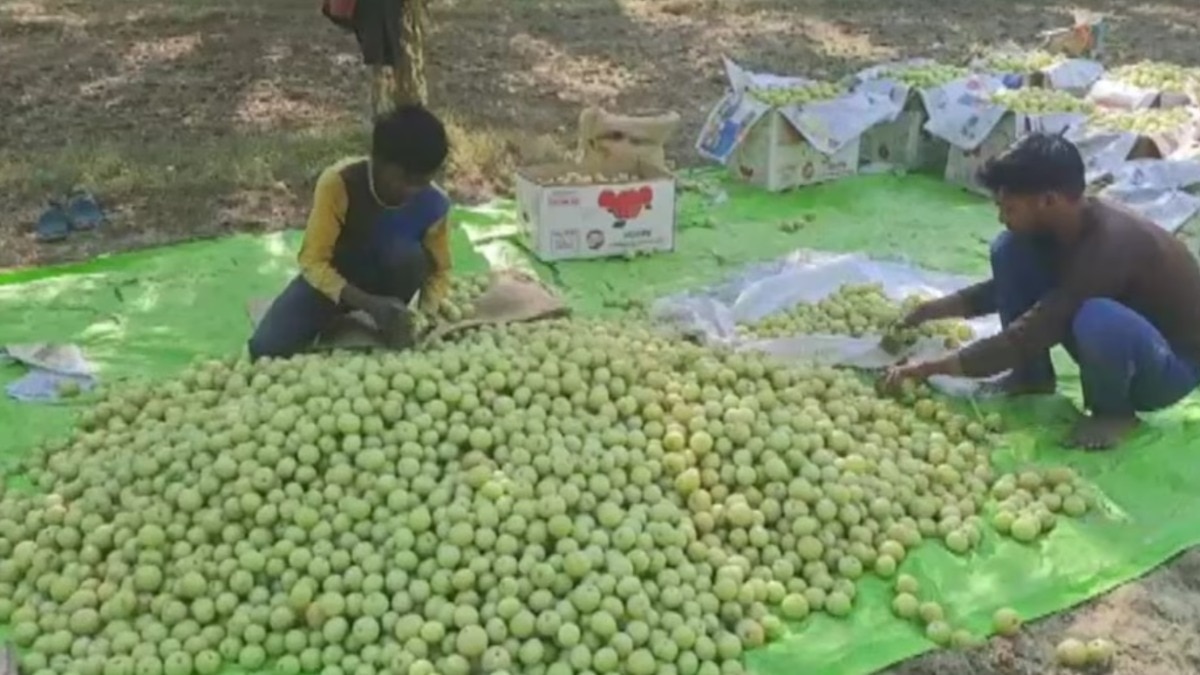
The 'One District One Product' (ODOP) scheme of the Uttar Pradesh government has breathed new life into the traditional amla industry of Pratapgarh. Known for its superior quality Indian gooseberries, Pratapgarh is no longer just a supplier of raw materials but is evolving into a sophisticated industrial hub for value-added products.
Under this initiative, the government has facilitated the acquisition of modern machinery for local processing units. Previously, farmers were dependent on selling raw amla, which yielded minimal returns. Today, the production of amla candies, preserves (murabba), juices, and Ayurvedic supplements is happening within the district, significantly increasing profit margins.
Why This Matters
BozokMedia analysis shows that the transition from raw agricultural sales to processed goods is the only way to ensure sustainable income for rural farmers. By integrating the supply chain from the farm to the final consumer, ODOP is effectively reducing the role of exploitative middlemen and empowering the grassroots economy of Pratapgarh.
"The strategic shift towards value-added amla products is transforming Pratapgarh from a mere producer into a global supplier of organic health supplements."
Historically, the soil of Pratapgarh has been exceptionally suited for amla cultivation. However, the industry remained stagnant for decades due to a lack of infrastructure and limited market access. The ODOP scheme has not only streamlined credit facilities but has also revolutionized branding and packaging, creating a distinct identity for 'Pratapgarh Amla'.
Through targeted training programs, the youth are being educated in food processing and quality control. This has not only generated new employment opportunities but has also significantly reduced rural-to-urban migration by creating sustainable livelihoods at home.
Frequently Asked Questions
Q1: What is the primary goal of the ODOP scheme?
A: The goal is to promote, modernize, and bring global market visibility to a specific traditional product unique to each district.
Q2: How has amla processing benefited the farmers?
A: Through value addition, farmers are earning significantly more from processed goods compared to raw produce, leading to financial stability.