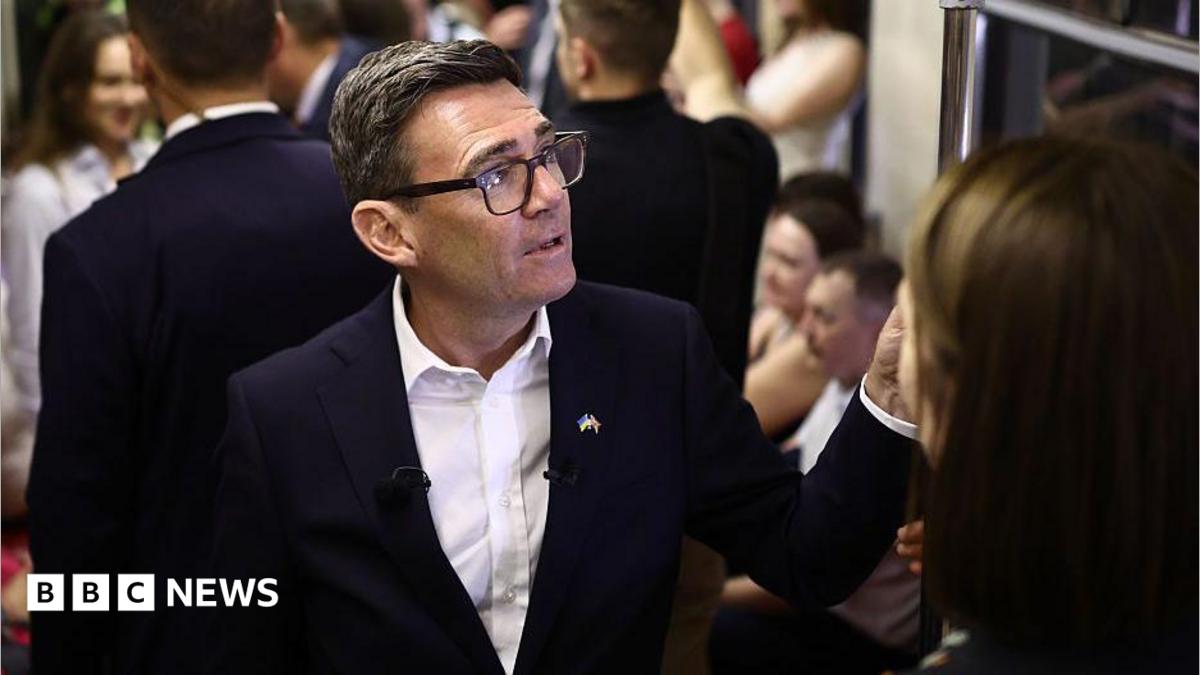
Prime Minister Andy Burnham has signaled that tax increases may be necessary in the upcoming autumn Budget, citing the 'challenging' state of public finances and rising inflation.
- PM Andy Burnham has not ruled out tax increases for the October 28 Budget.
- Funding for cost-of-living pledges has been sourced by deprioritizing projects like Digital ID.
- Inflation hit a four-month high of 2.9% in July, exacerbated by the Iran war.
- Business leaders warn that rising employment costs are stifling growth.
Prime Minister Andy Burnham has refused to rule out tax increases in the upcoming autumn Budget, stating that he "won't be unrealistic" regarding the precarious state of the UK's public finances. Speaking during his first official visit to Ukraine, Burnham emphasized a "careful approach" to economic management, acknowledging the tightrope he must walk between supporting citizens and maintaining fiscal discipline.
Since taking office in July, Burnham has focused on immediate cost-of-living relief. He defended his early wins—such as capping bus fares at £2 and cutting VAT on household electricity bills—as sustainable measures. He revealed that these were made possible by reprioritizing funds, specifically noting that the development of a digital ID was no longer a top priority for his administration.
Why This Matters
BozokMedia analysis shows that the Prime Minister is facing a structural fiscal crisis. With government borrowing exceeding expectations in July and inflation climbing to 2.9%, the room for maneuver for Burnham and Chancellor John Healey is virtually non-existent. The tension lies in adhering to the strict fiscal rules set by former chancellor Rachel Reeves while attempting to fund ambitious social care reforms.
"The government is trapped between the necessity of fiscal consolidation and the political imperative of cost-of-living support."
External geopolitical factors are further complicating the domestic economy. The ongoing Iran war has sent shockwaves through energy markets, driving up fuel costs and threatening to push inflation even higher. Experts warn that without tax hikes or significant spending cuts, the government risks breaching its debt-to-GDP targets.
The business community has also voiced its concerns. Rain Newton-Smith, CEO of the Confederation of British Industry (CBI), highlighted that the soaring cost of employment is preventing business owners from creating new opportunities for young people. She argued that targeted business support would be more effective in generating long-term tax receipts than broad tax hikes.
| Economic Indicator | Current Status | Impact/Risk |
|---|---|---|
| Inflation | 2.9% (July) | Increased cost of living |
| Borrowing | Higher than expected | Pressure on fiscal rules |
| Energy Prices | Rising (Iran War) | Threat to GDP growth |
Frequently Asked Questions
1. How is the PM funding current cost-of-living pledges?
Burnham is reprioritizing existing funds, such as moving budget away from the Digital ID project to fund bus fare caps and VAT cuts.
2. Why is the Iran war relevant to the UK Budget?
The conflict has directly impacted global energy prices, which increases domestic inflation and puts more pressure on public spending.