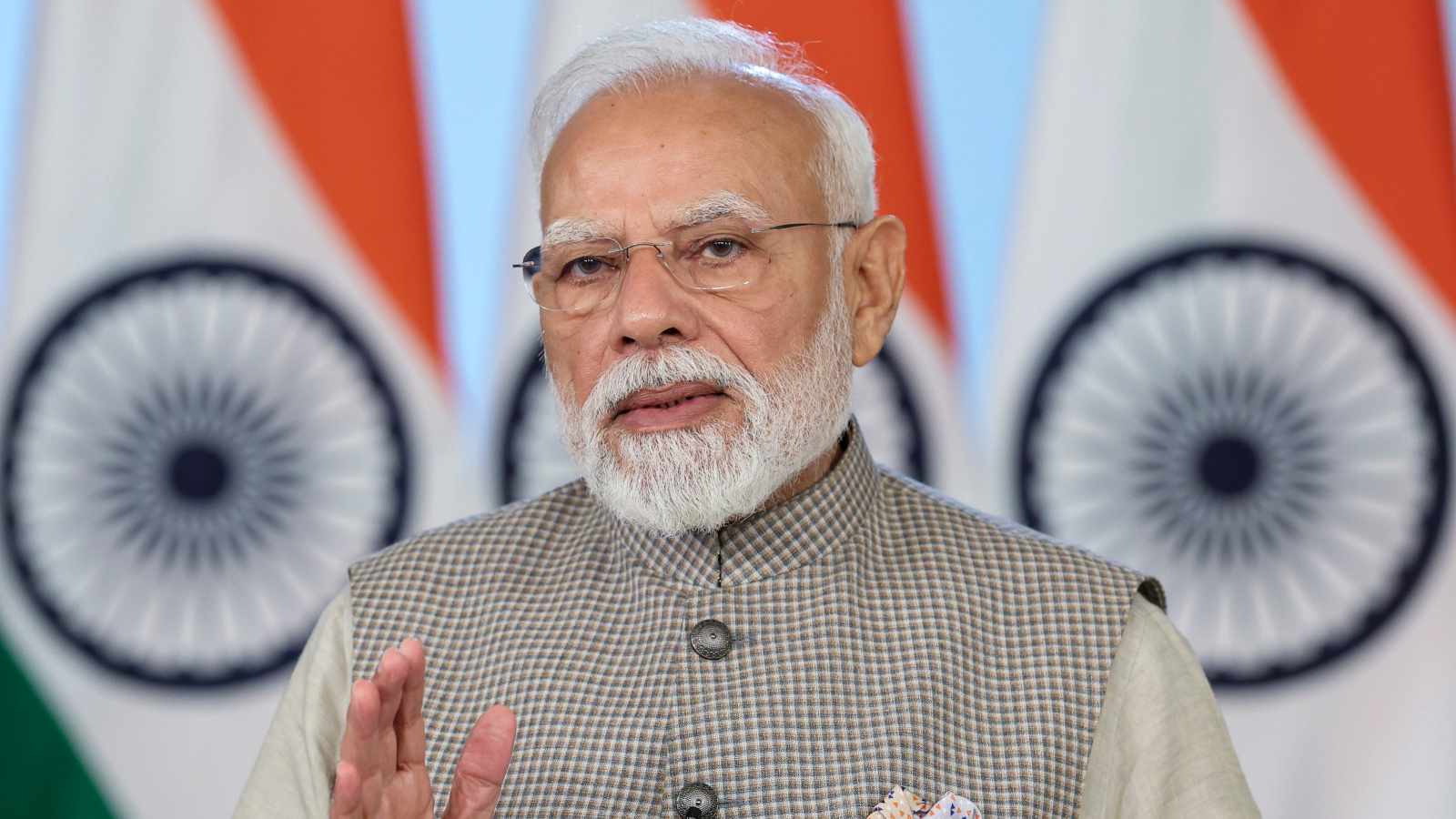
India's GDP grew by 7.8% in the April-June quarter, beating RBI estimates. While PM Modi celebrates it as a victory over global uncertainty, the Congress party labels it a distorted representation of the ground reality.
- India's real GDP growth for Q1 FY 2026-27 stood at 7.8%, surpassing the RBI's 7% forecast.
- PM Modi credited the growth to collective national strength despite global supply chain shocks.
- The Congress party highlighted record household debt and alarming educated unemployment as counter-narratives.
India's economy has demonstrated significant resilience, posting a real GDP growth rate of 7.8% in the April-June quarter. This performance has triggered a sharp political divide, with the ruling government viewing it as a triumph of policy and the opposition viewing it as a statistical illusion.
Prime Minister Narendra Modi took to X (formerly Twitter) to describe the growth as a "herculean feat." He emphasized that India's ability to bloom amidst global uncertainties, oil price shocks, and supply chain disruptions is a testament to the country's stability. "Doomsayers were doomed and India bloomed... yet again," the Prime Minister stated, signaling confidence in the current economic trajectory.
Adding to this, Union Home Minister Amit Shah attributed the growth to the "visionary leadership" of the Prime Minister, while Finance Minister Nirmala Sitharaman credited the agile management of the economy and strategic reforms undertaken by the NDA government.
Why This Matters
BozokMedia analysis shows that the gap between high-level GDP figures and the 'felt economy' is becoming a central political flashpoint. While the 7.8% growth makes India a global investment darling, the internal friction regarding wealth distribution and private investment sentiment suggests a fragile equilibrium that could be impacted by food inflation and El Niño effects.
GDP is a measure of output, not equity; a rising tide may lift all boats, but only if the boats are not leaking from the bottom.
Conversely, the Congress party has launched a scathing attack on these numbers. MP Jairam Ramesh termed the report a "Greatly Distorted Picture," arguing that it ignores the depressed sentiment in private investment and the relentless downward trajectory of consumer confidence since November 2025.
Ramesh further alleged that the growth is concentrated, claiming the wealth of India's five richest families grew by 400% while real wages for salaried workers declined. He pointed toward a record high in household debt and a widening trade deficit with China as critical red flags that the government is ignoring.
Congress leader Pawan Khera added that one strong quarter does not constitute an "economic spring," questioning why rampant unemployment and a crumbling education system persist if the nation is truly prospering.
| Perspective | Core Argument | Focus Area |
|---|---|---|
| Government | 7.8% Growth (Above RBI 7% estimate) | Macro-stability & Reform Success |
| Opposition | Wealth Gap & Unemployment | Micro-economic Distress & Inequality |
Frequently Asked Questions
1. How did India's GDP growth compare to the RBI's estimate?
India's GDP grew by 7.8%, which was 0.8% higher than the Reserve Bank of India's projected 7%.
2. What are the primary risks mentioned regarding future growth?
Elevated crude oil prices, persistent food inflation, and the impact of a strengthening El Niño are identified as key risks.