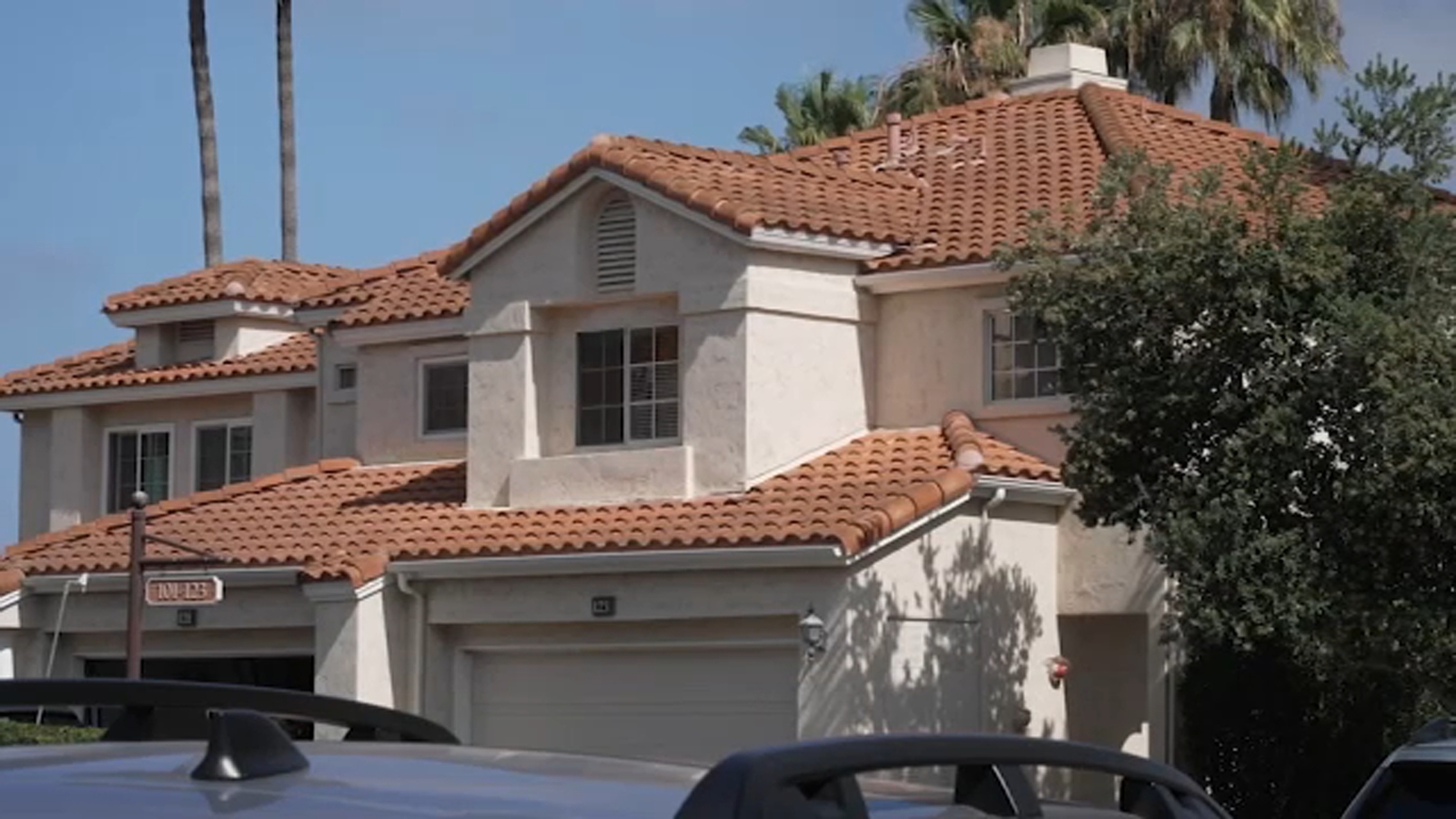
Residents of the Villa Moura condominium complex in San Clemente are battling a sudden $26,000 emergency assessment for roof replacements, alleging the board bypassed legal voting procedures. The financial burden has left elderly and retired homeowners facing potential displacement.
- Homeowners at Villa Moura complex hit with a sudden $26,000 assessment per unit.
- Residents allege the 'emergency' is actually deferred maintenance and should have been voted upon.
- Legal experts warn that homeowners must often pay first and dispute later under California law.
- Threats of property liens are driving residents to seek board recalls and legal action.
The tranquil coastal living of San Clemente, California, has been disrupted for residents of the Villa Moura condominium complex. Homeowners have been blindsided by an emergency assessment exceeding $26,000 per unit intended for roof replacements. The move has sparked an intense backlash, with residents questioning the legality of the fee and the board's fiduciary responsibility.
For many, the financial blow is devastating. Beverly Albright, an 81-year-old resident, expressed the harrowing reality of the situation, stating that the sudden cost might force her to move from the home she worked her entire life to afford. Other residents, like Megan Blanda, have criticized the board's suggestion that homeowners should dip into retirement savings or take out home equity loans to cover the cost.
Why This Matters
BozokMedia analysis shows that this dispute highlights a growing trend of 'special assessments' in aging luxury complexes where reserve funds are insufficient. When HOA boards label maintenance as an 'emergency,' they can often bypass the democratic voting process required for standard capital improvements. This creates a dangerous precedent where homeowners lose agency over their own financial stability.
Legal arguments center on the California Code of Regulations, 5610. Resident Noah Martin argues that the roofing project does not meet the legal definition of an emergency because the roofs are not actively leaking; rather, the underlayment requires replacement—a classic case of deferred maintenance. The residents contend that the board has known about these needs for years and failed to plan accordingly.
"Homeowners have to pay those, even if they're completely illegal. They have to pay them and then dispute them. California law doesn't recognize the right of offsets."
The HOA board has offered three payment options: a lump sum, two split payments, or a monthly increase of over $2,000 for six months followed by $400 monthly. Failure to comply could result in liens being placed on the properties, effectively freezing the owners' ability to sell or refinance their homes.
| Proposed HOA Action | Homeowner Argument |
|---|---|
| Emergency Assessment ($26k) | Deferred Maintenance (Not Emergency) |
| Immediate Full Replacement | Competitive Bidding/Partial Repair |
| Board-Mandated Payment Plan | Democratic Vote Required |
In response to the crisis, the community has organized a GoFundMe page to support those unable to pay. While the HOA board remains silent due to ongoing legal matters, the residents are moving forward with efforts to recall board members and file a formal lawsuit.
Frequently Asked Questions
Can an HOA charge a special assessment without a vote?
In many jurisdictions, including California, boards can impose assessments without a vote if the expenditure is deemed an 'emergency' to protect life or property.
What happens if a homeowner refuses to pay an HOA assessment?
The HOA can apply a lien to the property, charge late fees, and in extreme cases, initiate foreclosure proceedings to recover the debt.