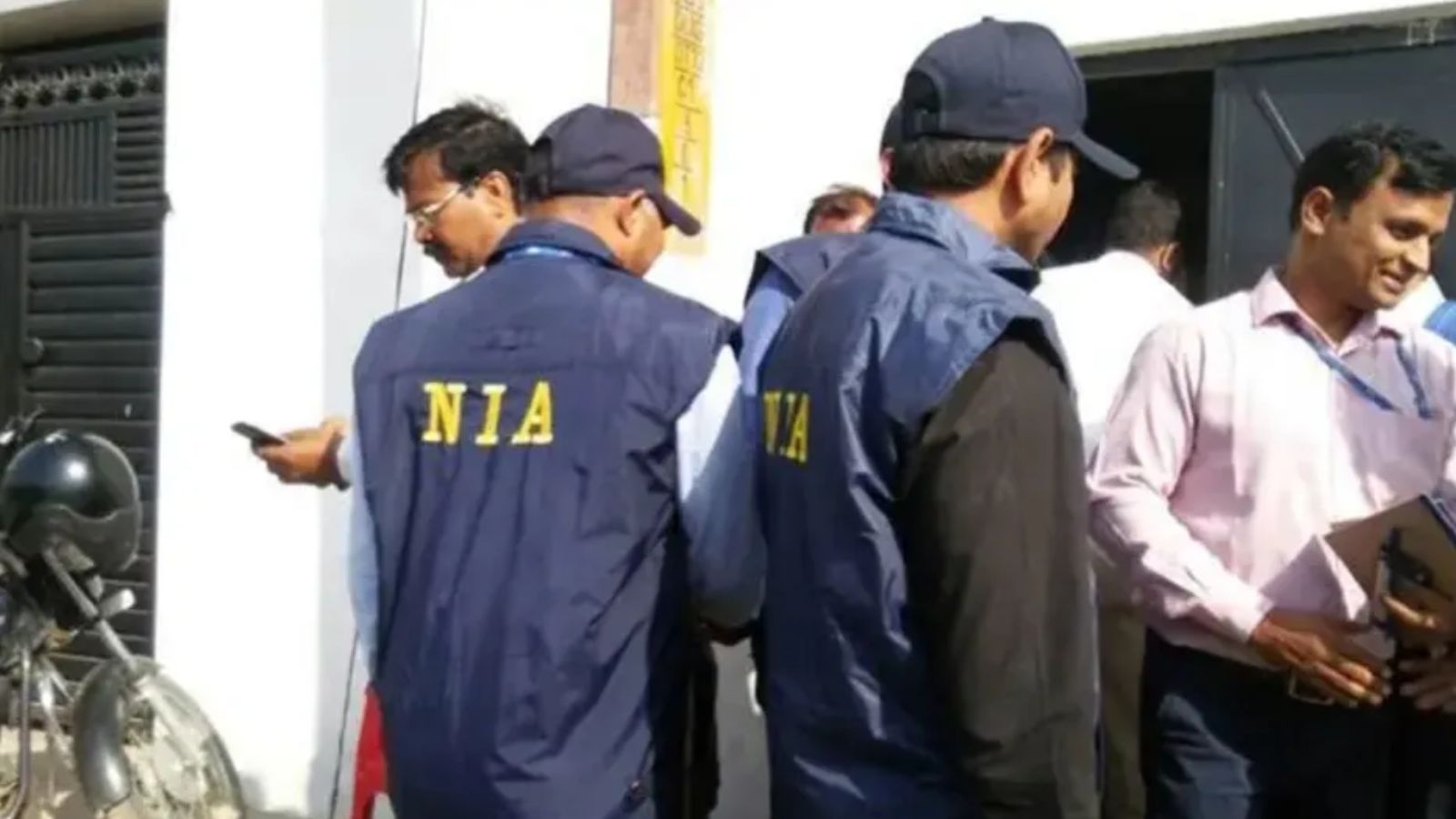
A special NIA court has sentenced Syed Fasiur Rehaman to seven years in prison for his involvement in the 'Al Hind module' after he pleaded guilty to UAPA charges.
- Syed Fasiur Rehaman sentenced to 7 years imprisonment by the special NIA court.
- Accused pleaded guilty to 8 charges under UAPA and the Arms Act.
- Case linked to the 'Al Hind module' active in South India during 2019-20.
In a significant blow to the remnants of the Al Hind module, a special court for National Investigation Agency (NIA) cases in Bengaluru has sentenced 37-year-old Syed Fasiur Rehaman to seven years in prison. The sentencing followed a guilty plea by the accused on August 25, marking the second such conviction in this specific terror plot.
Rehaman was one of 20 individuals chargesheeted for recruiting members and raising funds for the Islamic State (IS) under the direction of foreign handlers. He admitted to charges under the Unlawful Activities Prevention Act (UAPA), criminal conspiracy under the IPC, and violations of the Arms Act. Interestingly, Rehaman had previously pleaded 'not guilty' in September 2025 but changed his stance due to his prolonged six-year detention.
Historical Background: The Al Hind Network
The plot first came to light in December 2019 during a manhunt for Khaja Moideen, a radicalized individual who had disappeared while under trial for previous terrorism cases. Moideen utilized a Bengaluru-based organization called the Al Hind Trust as a front for radicalization, masquerading as a social service entity to lure unsuspecting youth.
The network's reach extended across Karnataka and Tamil Nadu, where members conducted clandestine meetings to propagate ISIS ideology and procure weaponry. The investigation further linked the module to Abdul Matheen Taha, an engineering graduate who is also an accused in the high-profile Rameshwaram Cafe blast case of March 2024.
Why This Matters
BozokMedia analysis shows that the use of 'Social Service Trusts' as recruitment hubs represents a dangerous evolution in terror tactics. By blending into the philanthropic fabric of society, these modules create a layer of plausible deniability that complicates intelligence gathering and surveillance.
The shift from purely online radicalization to institutionalized fronts like the Al Hind Trust signals a more structured approach to domestic insurgency.
The violence associated with this group was not limited to ideology. In January 2020, two members of the module allegedly shot dead a policeman named Wilson during a vehicle search on the Kerala-Tamil Nadu border. The NIA took over the probe from Bengaluru police after the scale of the conspiracy was revealed to be an interstate operation.
Frequently Asked Questions
1. What was the Al Hind module's primary objective?
The module aimed to recruit youth in South India for ISIS and secure funding through foreign handlers.
2. How does the sentence apply to the accused?
The court ordered that the sentences run concurrently, and the time already spent in judicial custody will be set off against the final term.