In a grim discovery, 17 bodies believed to be victims of Nepal's devastating flash floods have been recovered from the Gandak river in Uttar Pradesh. Search operations continue as over 2,500 people remain missing.
- 17 bodies recovered from Gandak river across Kushinagar and Maharajganj districts.
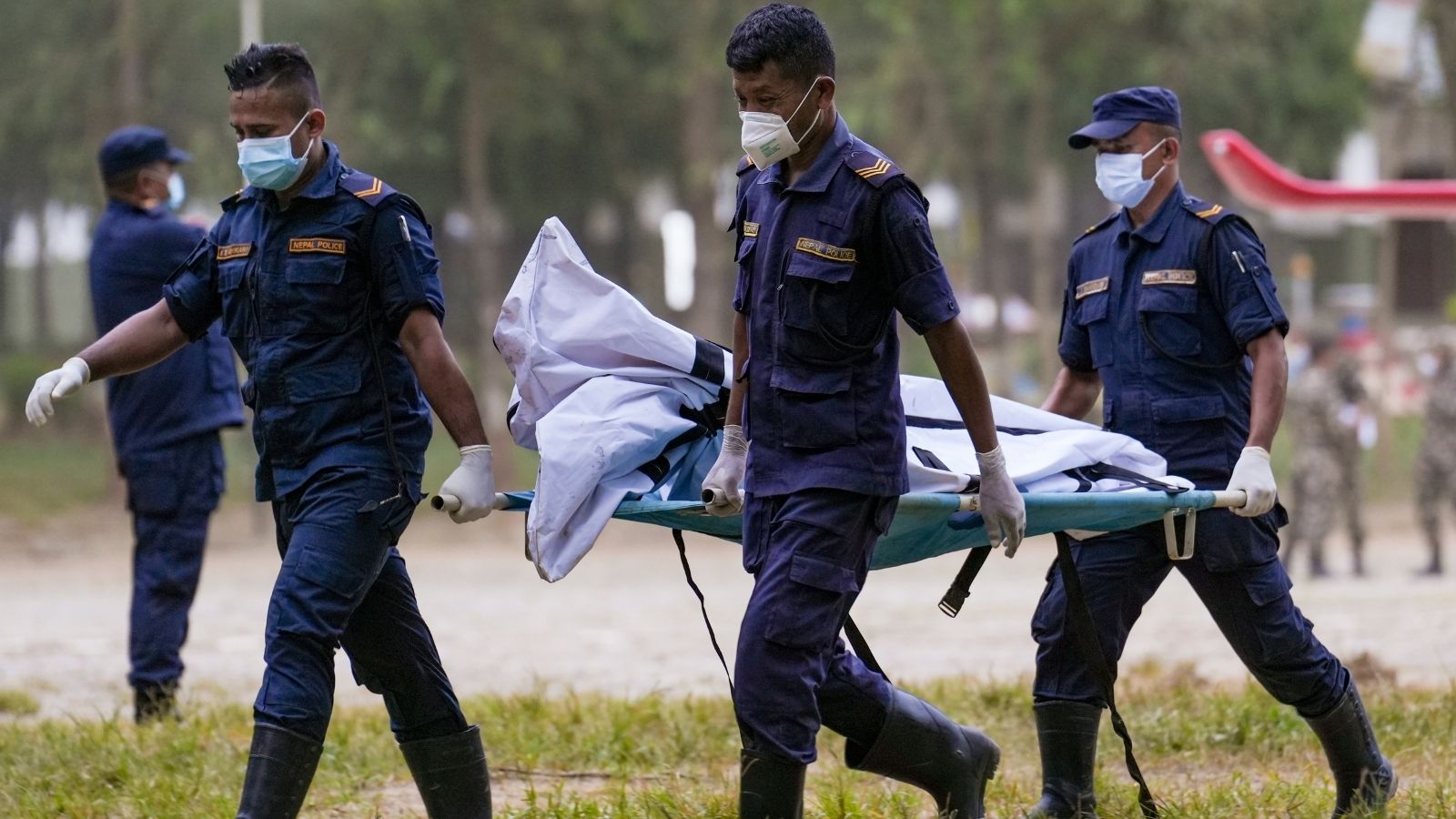
- Bodies are being handed over to Nepal authorities following DNA sampling and mandatory 72-hour mortuary periods.
- The disaster was triggered by a massive glacier collapse in the Bhotekashi river region of Nepal.
- Over 700 deaths confirmed with 2,500+ people still missing.
The tranquil waters of the Gandak river in Uttar Pradesh have turned into a site of mourning as authorities recover 17 bodies, believed to be victims of the catastrophic flash floods that recently ravaged Nepal. The recovery operation has spanned across the Kushinagar and Maharajganj districts, highlighting the transboundary nature of this natural disaster.
Detailed reports indicate that 13 bodies were found in Kushinagar’s Khadda and Tamkuhi Raj tehsils, with four of those recovered as recently as Monday. An additional four bodies were retrieved from the Nichlaul tehsil of Maharajganj on August 27. The coordination between Indian and Nepalese authorities has been critical, with the Nawalparasi administration receiving the first batch of recovered remains at the Maheshpur border.
Why This Matters
BozokMedia analysis shows that this tragedy underscores the extreme vulnerability of the Himalayan ecosystem. The fact that bodies are floating hundreds of kilometers downstream into India proves the sheer velocity and volume of the flash floods. Furthermore, it highlights the urgent need for a synchronized, real-time early warning system between Nepal, Bihar, and Uttar Pradesh to prevent such massive loss of life in the future.
The administrative process has been rigorous to ensure correct identification. District Magistrate Gaurav Singh Sogarwal confirmed that all recovered bodies were kept for the mandatory 72-hour period. To assist grieving families in Nepal, DNA samples were collected during post-mortem examinations, which will be shared with Nepalese officials to match with missing persons' records.
The scale of this disaster suggests a systemic failure in glacial monitoring, where a single ice avalanche can trigger a domino effect across international borders.
The tragedy originated in the northeastern district of Rasuwa, Nepal, on August 26. Experts believe a massive block of glacier in the upper reaches of the Bhotekashi river (also known as the Trishuli) collapsed, triggering a rock and ice avalanche that sent a wall of water downstream.
Currently, a massive search and rescue operation is underway. Teams from the National Disaster Response Force (NDRF), State Disaster Response Force (SDRF), and the Provincial Armed Constabulary (PAC) flood battalion are scouring the riverbanks and surrounding debris. The search is particularly urgent as thousands of families continue to crowd hospitals in Nepal, desperate for news of their missing loved ones.
Frequently Asked Questions
Q1: How many people are still missing after the Nepal floods?
More than 2,500 people are currently reported missing, with the death toll already exceeding 700.
Q2: What caused the flash floods in Nepal?
The floods were triggered by a rock and ice avalanche caused by a large glacier block falling in the upper Bhotekashi river region.