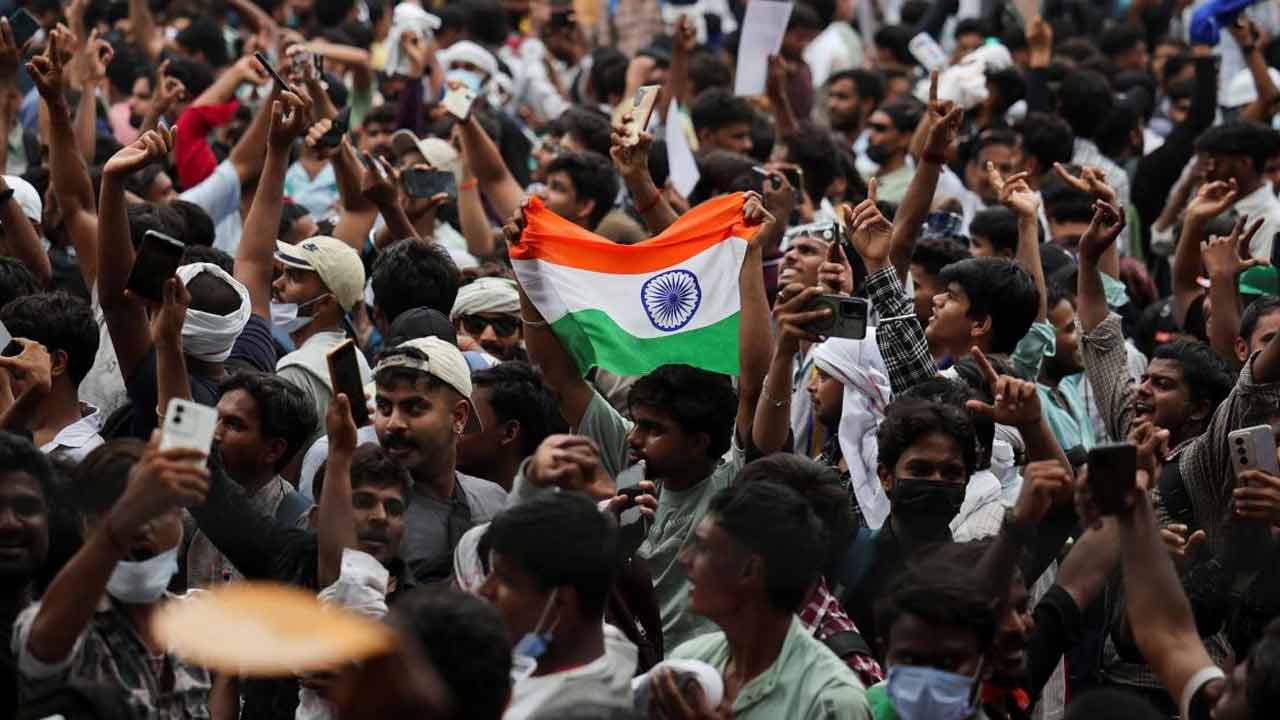
The Supreme Court of India has refused to halt a planned protest march by the Cockroach Janta Party (CJP) in Delhi, expressing hope that all parties will maintain peace and responsibility.
- Supreme Court declined to ban the CJP march from India Gate to Delhi Police HQ.
- Justice Surya Kant's bench emphasized the importance of peaceful behavior and legal compliance.
- The court suggested the petitioner approach the police for immediate concerns.
- The decision comes ahead of the BRICS summit scheduled for September 12-13.
In a significant ruling regarding the right to protest, the Supreme Court of India has declined to intervene in the planned procession organized by the Cockroach Janta Party (CJP). The party has called for a march this coming Saturday, spanning from the iconic India Gate to the headquarters of the Delhi Police.
The legal challenge was brought forward by a retired Delhi Police officer, who sought an urgent stay on the march, citing potential law and order disruptions. However, the bench comprising Justice Surya Kant, Justice Jaymalya Bagchi, and Justice V. Mohanan stated that there was no immediate evidence to suggest that the protest would lead to a breakdown of public order.
Why This Matters
BozokMedia analysis shows that this decision underscores the judiciary's reluctance to preemptively stifle democratic protests unless there is a clear and present danger. By directing the petitioner toward the police administration rather than granting a judicial ban, the court is maintaining a delicate balance between national security and the fundamental right to assemble.
The court's refusal to intervene suggests a high threshold for banning protests, placing the onus of security on the executive branch rather than the judiciary.
The petitioner expressed grave concerns regarding the timing of the protest, noting that the BRICS Summit is scheduled to take place in Delhi on September 12-13. The applicant highlighted previous instances of unrest, including Youth Congress protests during an AI summit, to argue that the city's security could be compromised.
Despite these arguments, the court noted that several related cases are already pending and suggested that this matter be heard alongside them on September 10. Justice Surya Kant remarked, "At least until now, there is no reason for us to express doubt. We hope everyone will act in an extremely responsible and peaceful manner."
Historical Background: The CJP has a history of volatile demonstrations in the capital. Their previous 'Chalo Sansad' program was marred by allegations of police brutality and reports of injured personnel. Furthermore, a month-long agitation at Jantar Mantar previously led to the resignation of Union Education Minister Dharmendra Pradhan on July 25, after which the CJP withdrew their sit-in following promises from the central government to address their demands.
Frequently Asked Questions
Q1: Why did the Supreme Court refuse to ban the CJP march?
The court found no immediate reason to believe the protest would cause a law and order crisis and urged all participants to remain responsible.
Q2: What is the significance of the BRICS summit in this case?
The petitioner argued that the high-profile international summit on Sept 12-13 necessitated a ban on protests to ensure the safety of foreign dignitaries.

