A 36-year-old iconic song from the 90s continues to play in state roadways buses, serving as a sonic time machine for thousands of commuters daily.
- Persistence of a 36-year-old iconic song in state transport buses.
- The enduring influence of 90s music on public commuting experiences.
- Creation of a strong emotional bond between passengers and nostalgic melodies.
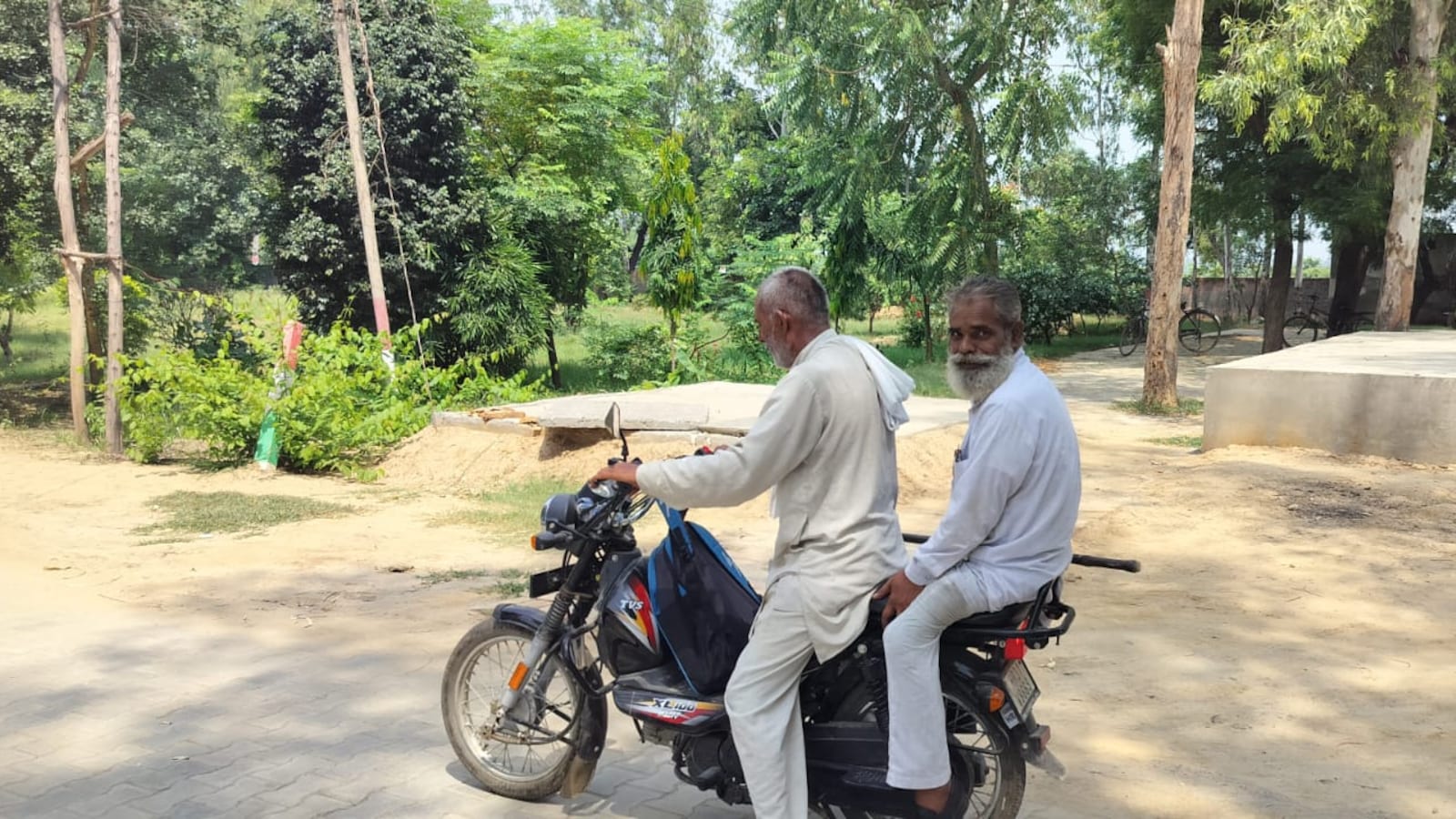
In the bustling environment of Indian state transport (Roadways) buses, amidst the noise of engines and chatter, a 36-year-old song continues to play. This track, which became an iconic sensation during the 1990s, has transcended its original era to become a permanent fixture in the auditory landscape of public travel.
For many passengers, this melody is more than just background noise; it is a bridge to the past. In an age of personalized Spotify playlists and noise-canceling headphones, the collective experience of listening to a decades-old tune in a public bus creates a unique communal bond among strangers sharing the same journey.
Why This Matters
BozokMedia analysis shows that this phenomenon is a classic case of 'Audio Nostalgia.' In a rapidly digitizing society, the survival of such a specific cultural artifact in public infrastructure indicates a subconscious desire to hold onto simpler times. It proves that certain melodies possess a universal appeal that defies the expiration date of musical trends.
"The persistence of specific melodies in public spaces transforms a routine commute into a shared cultural ritual."
Historically, the 1990s were a transformative period for Indian pop and film music, characterized by catchy hooks and emotive lyrics. The integration of these songs into the roadways system occurred during the peak of the cassette era. As these buses updated their hardware, the software—the music—remained unchanged, effectively preserving a slice of 90s history on wheels.
Frequently Asked Questions
Q1: Why does this specific song remain popular in buses?
A: Its simple melody and association with the golden era of the 90s create an instant emotional connection with passengers.
Q2: Is this a planned initiative by the transport department?
A: No, it is largely a grassroots phenomenon driven by drivers and conductors who prefer these timeless classics.