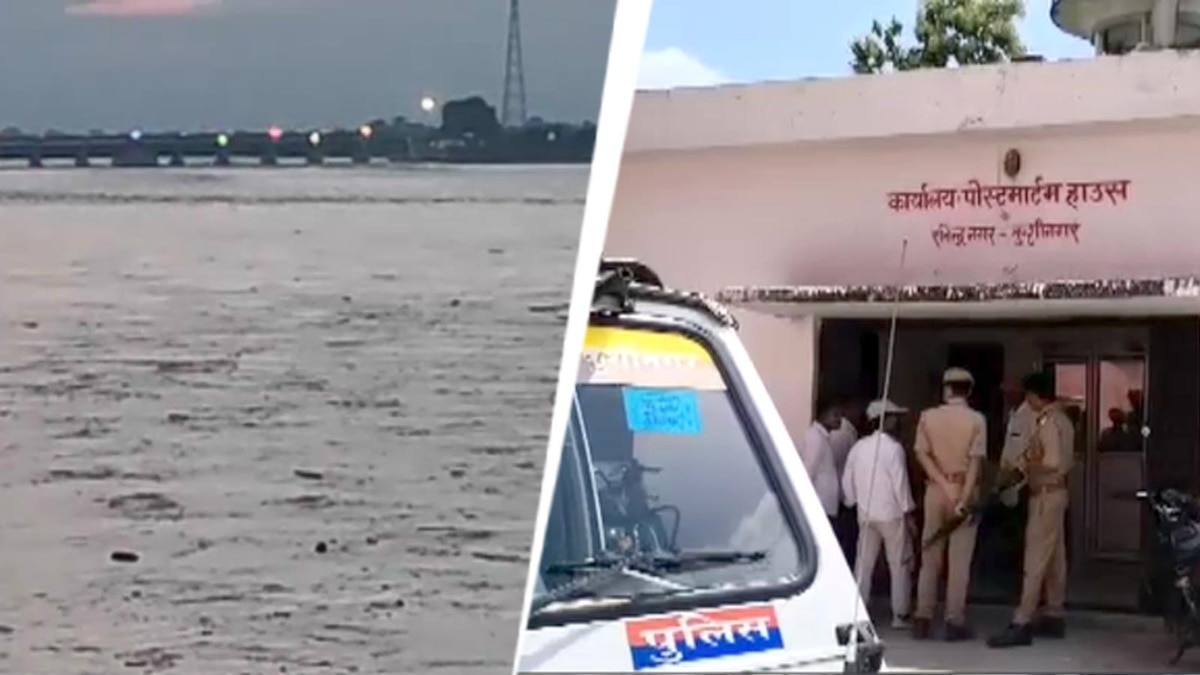
Authorities in Kushinagar and Maharajganj have recovered multiple bodies washed downstream from Nepal via the Narayani-Gandak river system. Intensive DNA testing and diplomatic coordination are underway to reunite victims with their families.
- 13 bodies recovered in Kushinagar (6 men, 7 women) and 4 in Maharajganj.
- DNA sampling and post-mortem examinations are being conducted at AIIMS Gorakhpur and local mortuaries.
- The Ministry of External Affairs (MEA) is coordinating the handover of remains to the Nepal government.
The devastating aftermath of the flash floods in Nepal continues to manifest in India, as the Narayani-Gandak river system carries the grim toll of the disaster downstream into the plains of Uttar Pradesh. In a harrowing series of discoveries, local authorities in the Kushinagar and Maharajganj districts have retrieved the remains of several individuals, highlighting the sheer scale of the tragedy across the border.
In Kushinagar, district officials and the State Disaster Response Force (SDRF) have recovered 13 bodies, consisting of six men and seven women. To ensure the integrity of the identification process, six of these remains are being preserved in deep freezers at the Kushinagar Medical College, while seven have been transferred to the All India Institute of Medical Sciences (AIIMS) in Gorakhpur for advanced forensic analysis.
Meanwhile, in the border district of Maharajganj, four unidentified bodies—three women and one man—were recovered on August 27. Following strict legal protocols and post-mortem examinations, these remains have already been handed over to the Nepal Police. Additional District Magistrate Prashant Kumar confirmed that DNA samples were meticulously collected to assist the Nepal administration in matching the deceased with missing persons reports.
Why This Matters
BozokMedia analysis shows that this incident underscores the critical need for integrated transboundary disaster management protocols between India and Nepal. The movement of human remains across borders creates complex legal and diplomatic challenges, requiring seamless coordination between the Ministry of External Affairs (MEA) and local district administrations to maintain human dignity and provide closure to grieving families.
The use of DNA profiling in transboundary casualty recovery is no longer optional; it is the only definitive way to ensure accuracy in mass-casualty events involving international borders.
The recovery operations began in earnest following reports of massive landslides and flash floods in Nepal, which have claimed at least 903 lives, with over 4,247 people still missing. The strong currents of the Gandak river have not only carried human remains but also animal carcasses and debris, posing health risks and operational challenges for the SSB rescue teams monitoring the riverbanks.
| District | Bodies Recovered | Status/Action |
|---|---|---|
| Kushinagar | 13 | Preserved at AIIMS Gorakhpur & Local Mortuary |
| Maharajganj | 4 | Handed over to Nepal Administration |
Frequently Asked Questions
Q1: How are the bodies being identified?
Authorities are using a combination of post-mortem examinations, DNA sampling at AIIMS Gorakhpur, and sharing physical descriptions with the Nepal government via the MEA.
Q2: What is the current death toll in Nepal?
According to official reports, the death toll from the flash floods in Nepal has risen to 903, with thousands still missing.


